



Furnace vs Heat Pump: Which Heating System Is Best for Your Home?
Table of Contents
When it comes to home heating, homeowners often have to choose between two popular options: a furnace or a heat pump. Both systems produce heat in the cooler months, but they work in different ways, have different energy efficiencies, and are better suited to different climates and budgets. If you are looking for a new kind of heating system for your home, this guide is a great resource to help you make an informed decision.
Here at BCRC Heating and Cooling, we offer the best heating solutions to fit your needs. In this article, we’ll outline the main differences, benefits, and considerations of furnace vs heat pump to help you decide the best option for your home.
Please check our professional furnace installation service in Vancouver.
How Heat Pumps and Furnaces Work
How Does a Furnace Work?
A furnace produces heat by burning fuel ( natural gas , propane , or oil ) . This heat is then distributed through a duct system all over your home. Furnaces are a very efficient and powerful way to heat your home, especially in colder climates, using combustion and a blower fan to circulate warm air.
The Heat Pump Demystified
A heat pump doesn’t generate heat, but transfers it from outside air (or ground) into your home with the use of electricity. In summer, it works like an air conditioner in reverse, pulling heat out of your home. This dual functionality of a heat pump makes it a popular choice for energy-conscious homeowners.
Furnaces and Heat Pumps Explained
Before we compare, let’s agree on what each system is:
Furnace: Heat is produced in a furnace by burning fuel (natural gas, propane or oil) or by electricity. It uses ducts to distribute warm air to heat up your home.
Heat Pump: Heat pumps are not heat sources. It does not generate heat; it moves heat from one place to another. In winter, it takes heat from the air outside (even when it’s cold) and brings it indoors. In summer it does the opposite to cool your house.
Now let’s get into the big differences between a furnace vs heat pump in detail.
Heat Pump vs Furnace: Efficiency
Furnace Efficiency
Modern gas furnaces are very efficient and have Annual Fuel Utilization Efficiency (AFUE) ratings of 80% to 98%. That means they burn most of their fuel to heat and waste little. Furnaces, on the other hand, burn fossil fuels which leads to higher utility bills and a larger carbon footprint.
Heat Pump Performance
Heat pumps are well known for their energy efficiency. They do not create heat but transfer it which makes them very eco friendly. The efficiency rating is the Heating Seasonal Performance Factor (HSPF). Many models have ratings over 10. Heat pumps are up to 300% more efficient than furnaces in moderate climates.
The winner: Heat pumps. They consume less energy, in particular in places where winters aren’t so cold.
Furnace vs. Heat Pump: Climate Conditions
Performance of Furnaces in Cold Climates
Furnaces work well in colder climates where the temperatures regularly dip below freezing. They produce consistent, reliable heat no matter what the weather is doing outside, so your home will remain warm through even the coldest winters.
Performance of Heat Pumps in Cold Climates
However, extreme cold can be a challenge for conventional heat pumps, which operate by extracting heat from the outside air. But cold-climate heat pumps today are built to work efficiently at temperatures as low as -15°F (-26°C). These premium models are a game-changer for homeowners in colder climates.
The winner: Furnaces are better in very cold climates, while heat pumps work best in moderate climates or places with mild winters.
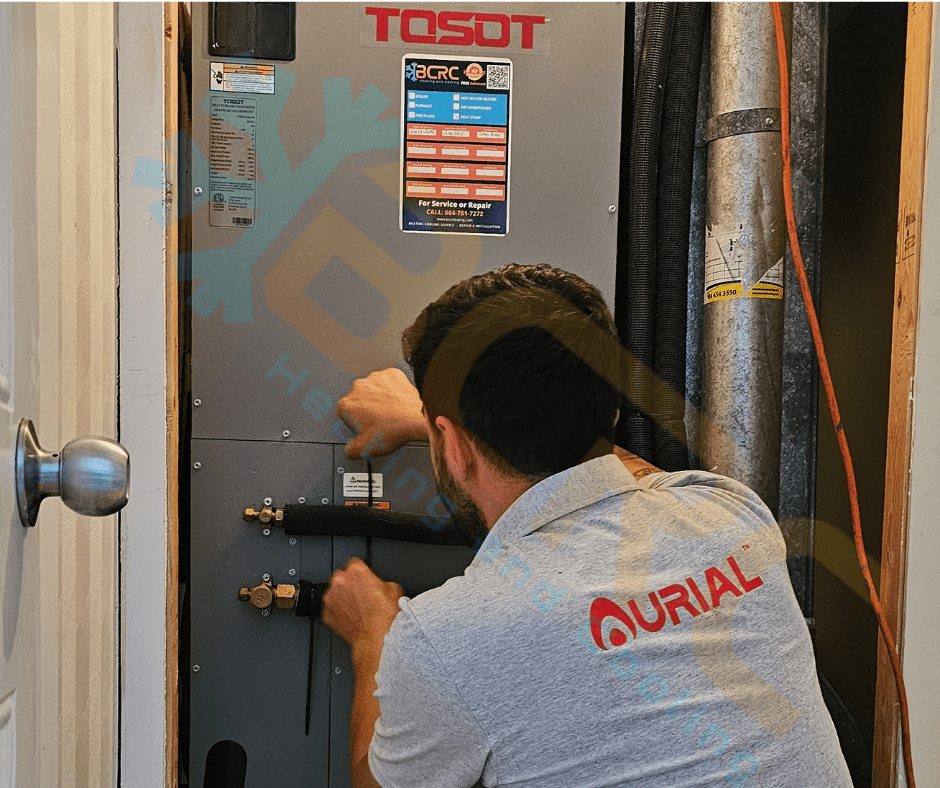

Installation Cost: Furnace vs Heat Pump
Installation of furnace
The average cost to install a furnace is between 3,000to3,000to7,000depending on the model and how complicated the installation is. Gas furnaces may also require additional costs for ductwork or gas line installation.
Installing heat pumps
Heat pumps are generally more expensive to install, costing between 4,000to4,000to10,000. But they also heat and cool, eliminating the need for a separate air conditioning system. The double function can save money in the long run.
The winner: Heat pumps do both heating and cooling, so they save you money over time, but furnaces cost less to install up front.
Furnace vs. Heat Pump Cost to Operate
Furnace Running Cost
In many places, natural gas prices are low, making furnaces less expensive to run. But gas prices are not fixed, and electric furnaces can result in higher utility bills in areas where electricity is expensive.
Cost of Operating a Heat Pump
Heat pumps run on electricity, so are cheaper to run in places where electricity is cheaper. They are also more energy efficient which could help you to save on your monthly utility bills significantly.
Winner: Heat pumps are economical in milder climates and where electricity costs are lower.
Furnace vs. Heat Pump: Maintenance & Lifespan
Lifespan and Maintenance of Furnaces
With proper maintenance, furnaces usually last 15 to 20 years. They require servicing once a year, with filter changes, inspections and the odd repair.
Heat Pump Service Life and Maintenance
Heat pumps don’t last as long (10-15 years) as they run all year round. They have to be serviced twice a year , because they act as both heaters and air conditioners . Regular servicing helps keep it running at its best, and helps it last longer.
Winner: Heat pumps provide year-round comfort with the right maintenance, while furnaces last longer.
Pros and Cons of Furnace and Heat Pump
Furnaces and heat pumps both have advantages and disadvantages. This is how they compare side by side.
Pros and Cons of Furnace
Benefits
- Dependable Cold Weather
- Long Lifespan
With proper maintenance from experts like BCRC Heating and Cooling, a furnace can last 15-20 years—or even longer. That durability makes it a solid long-term investment for households. - Lower Initial Costs
Furnaces generally have a lower upfront installation price compared to heat pumps. If budget is a top concern, this can tip the scales in the furnace vs heat pump debate.
Cons
- Higher Carbon Footprint
Because most furnaces rely on fossil fuels, they contribute to greenhouse gas emissions. For environmentally conscious homeowners, this is a notable downside. - No Cooling Option
A furnace is a heating-only system. If you want air conditioning in the summer, you’ll need a separate AC unit, adding to your overall HVAC costs.
Heat Pump: Pros and Cons
Pros
- Energy Efficiency and Eco-Friendliness
Heat pumps use electricity to transfer heat rather than burn fuel, making them far more energy-efficient. If your power comes from renewable sources, they’re a green choice that reduces your carbon footprint. - Dual Heating and Cooling
One system, two jobs. Heat pumps keep you warm in winter and cool in summer, eliminating the need for a separate air conditioner. For seniors looking to simplify their HVAC setup, this versatility is a win. - Lower Operating Costs in Mild Climates
In regions with moderate winters, heat pumps can save you money on monthly energy bills due to their efficiency.
Cons
- Higher Upfront Costs
Installing a heat pump typically costs more than a furnace. While long-term savings can offset this, the initial investment might be a hurdle for some households. - Backup Needed in Extreme Cold
Traditional heat pumps lose efficiency in subzero temperatures. While newer cold-climate models perform better, some setups may still require a backup heat source.
Key Factors to Consider in the Furnace vs Heat Pump Debate
Choosing between a furnace vs heat pump isn’t just about pros and cons—it’s about what fits your lifestyle, home, and priorities. Let’s explore some additional considerations to help you decide.
Environmental Impact
For eco-conscious households, heat pumps often take the lead in the furnace vs heat pump comparison. By relying on electricity rather than fossil fuels, they produce fewer emissions. Pair a heat pump with solar panels or a renewable energy plan, and you’ve got a near-zero-emission heating solution. Furnaces, while efficient in their own right, can’t match this level of sustainability—especially gas or oil models.
At BCRC Heating and Cooling, we’re committed to helping you reduce your environmental footprint. We can guide you toward greener options that align with your values.
Climate and Performance
Where you live plays a huge role in the furnace vs heat pump decision. If you’re in a region with brutal winters—like the Midwest or Northeast—a furnace’s ability to perform in extreme cold is hard to beat. Seniors, in particular, may appreciate the peace of mind that comes with unwavering heat during a blizzard.
Heat pumps, however, thrive in milder climates, such as the Southeast or West Coast. Advances in technology have also birthed cold-climate heat pumps, which can handle temperatures as low as -15°F or colder. These models use enhanced compressors and refrigerants to extract heat from frigid air, making them a viable option even in chillier regions.
Cost: Upfront vs Long-Term
Budget is a universal concern, especially for seniors on fixed incomes. Furnaces often win on upfront affordability, with installation costs ranging from $2,500 to $6,000 depending on the model and your home’s setup. Heat pumps, meanwhile, can range from $4,000 to $8,000 or more, particularly for high-efficiency or geothermal systems.
But don’t stop at the sticker price. Heat pumps typically have lower operating costs, especially in mild climates, thanks to their energy efficiency. Over time, these savings can offset the higher initial investment. Plus, many governments and utility companies offer rebates or tax credits for heat pump installations—something BCRC Heating and Cooling can help you navigate.
Comfort and Convenience
Seniors and families often prioritize comfort and ease of use. In the furnace vs heat pump matchup, heat pumps offer a unique advantage: zoning capabilities. When paired with ductless mini-splits, they let you control temperatures room by room. Want the living room warm but the guest bedroom cool? No problem. This flexibility reduces energy waste and keeps everyone comfortable.
Furnaces, by contrast, deliver uniform heat across your home. While this works well for consistent warmth, it lacks the precision of a zoned heat pump system.
Noise Levels
No one wants a noisy heater disrupting their peace—especially seniors who value a quiet home. Heat pumps tend to be quieter than furnaces since they don’t rely on combustion. The outdoor unit makes some sound, but modern designs keep it minimal. Furnaces, particularly older models, can produce noticeable noise from the burner and blower fan. At BCRC Heating and Cooling, we offer high-efficiency furnaces with sound-dampening features to minimize this issue.
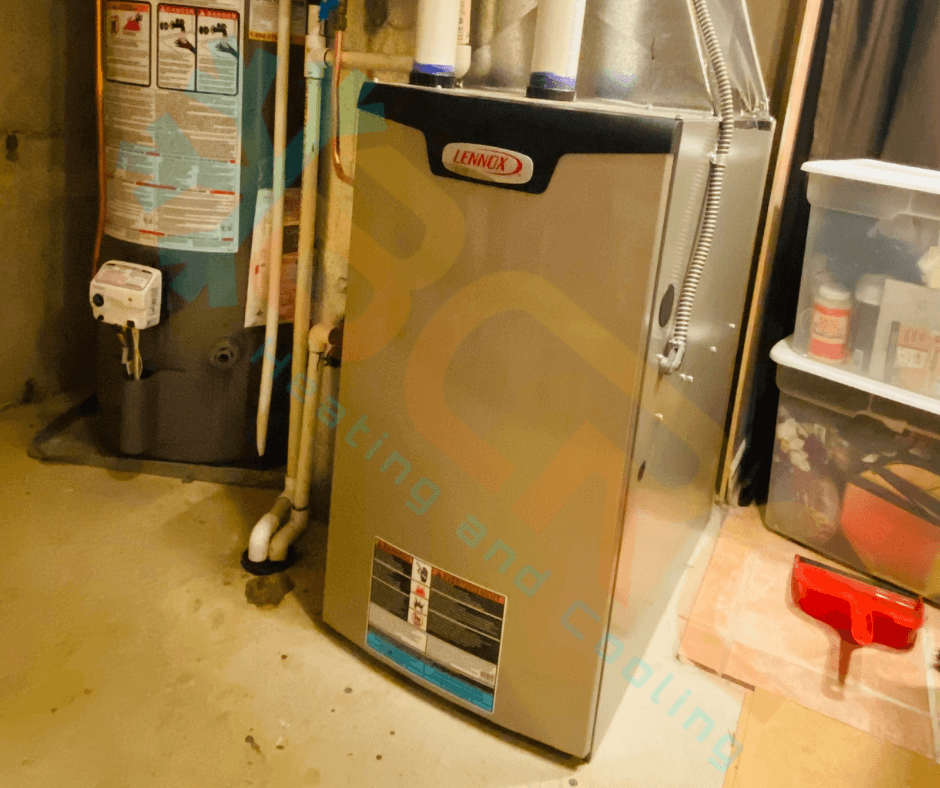

BCRC Heat Pump Installation and Heat Pump Repair Service
Heat Pump or Furnace: What’s the Best Choice for Seniors?
Heat is one of the most important needs of seniors. Comfort, reliability and price are usually the top three. So how do heat pumps compare to furnaces for seniors?
Furnaces for the Elderly
If you are a senior in a cold climate, a furnace is a good option. And with the capability to provide powerful and consistent heat, you’ll never be left shivering, even during a polar vortex. The lower upfront cost can also be a relief for those on a fixed budget. But adding an extra AC unit could complicate things in the warmer months, and reliance on fossil fuels could clash with eco-friendly goals.
Heat Pumps for Elderly
Heat pumps are a compact, all-in-one solution for seniors. Heating and cooling are combined in one system, meaning less equipment to maintain, a big plus for those wanting to simplify home upkeep. zoning options for seniors who spend the vast majority of their time in certain spaces, such as the living room or bedroom. The initial cost can be a turn off but rebates and lower energy bills can make it a smart long term choice.
We’ve seen seniors thrive with both systems at BCRC Heating and Cooling. It depends on your climate, budget and preferences. We’re here to help you through every step of the way to keep your home comfortable all year round.
Maintenance And Life Expectancy What To Expect
Regardless of which system you choose in the furnace vs. heat pump debate, regular maintenance is key to longevity and performance.
Service of Furnaces
Furnaces are built to last, many times reaching 15-20 years if properly maintained. Annual tune-ups are a must to keep them humming, checking burners, vents and filters. Another important aspect of gas furnace maintenance is to have BCRC Heating and Cooling perform carbon monoxide leak safety checks.
Heat Pumps Service
The lifespan of heat pumps is comparable, averaging 10-15 years, but high-end models can last over 20 with diligent maintenance. Because they are running all year (heating and cooling) they require maintenance twice a year – once before winter, once before summer. Routine maintenance includes cleaning coils, checking refrigerant levels and inspecting the outdoor unit.
Which one should you pick?
The right choice depends on your specific needs, budget and climate. Here’s a short guide:
Furnace If: You live in a very cold climate, want lower installation costs, and don’t mind burning fossil fuels.
Select a Heat Pump If: You’re in a moderate climate, want an energy efficient system and need both heating and cooling in one unit.
BCRC Heating and Cooling helps homeowners find the best heating solutions for their needs. Considering a furnace or heat pump? Our expert technicians are here to help you through the process.
Call BCRC Heating and Cooling today!
Can’t decide whether to install a furnace or a heat pump? Our BCRC Heating and Cooling team is ready to help! We provide professional installation, maintenance and repair services to keep your home comfortable all year.
📞 Call us today at 604 781 7272
Upgrade your home heating system with BCRC Heating and Cooling – your trusted HVAC experts!


