

The Role of Heat Pumps in Tackling Climate Change
Table of Contents
As climate change is creating serious environmental challenges, finding sustainable solutions to heat and cool our homes is becoming more and more important. Heat pump technology is one of the most effective ways to cut down carbon emissions and boost energy efficiency.
Heat pumps are an environmentally friendly alternative to traditional heating and cooling systems that use renewable energy to heat and cool your home. Heat pumps offer a viable and cost-effective option for homeowners, especially seniors looking for energy-efficient solutions with long-term savings.
This article will discuss the role of heat pumps in fighting climate change, how they work, their benefits, government incentives and why they are a critical part of a sustainable future.
What is a heat pump and how does it work?
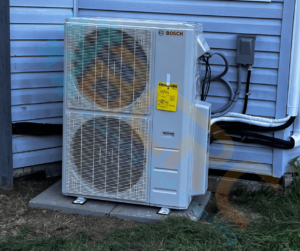
Heat pumps are sophisticated HVAC systems that can heat and cool by transferring heat rather than creating it. Traditional furnaces burn fossil fuels to create heat. Heat pumps use a small amount of electricity to move heat from one place to another.
There are three main types of heat pump:
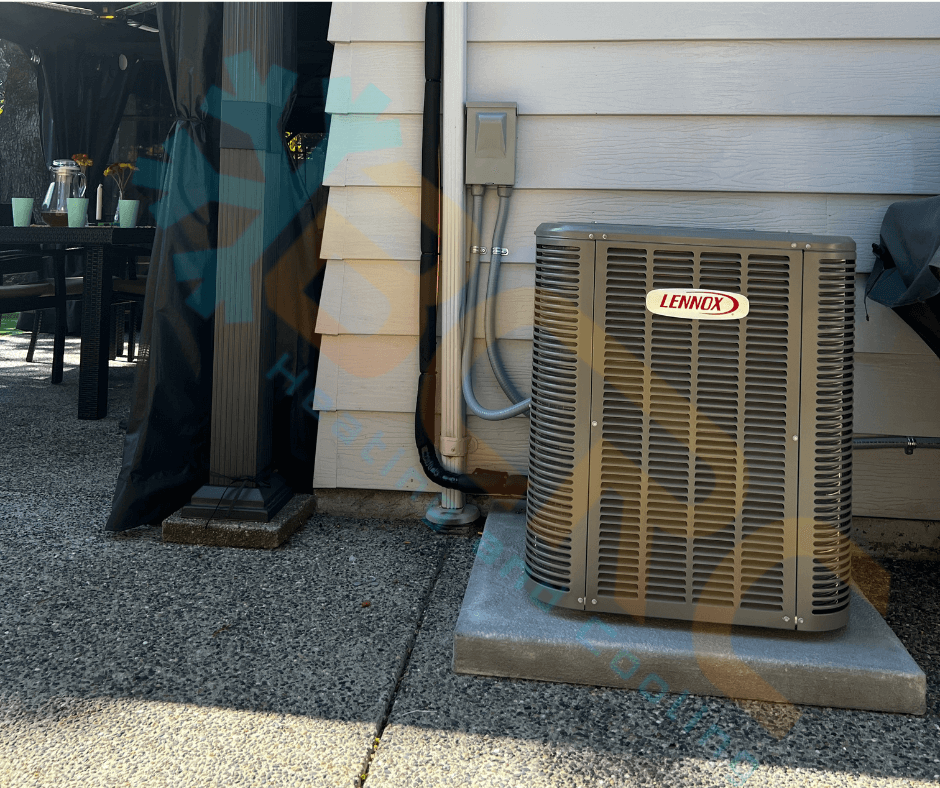
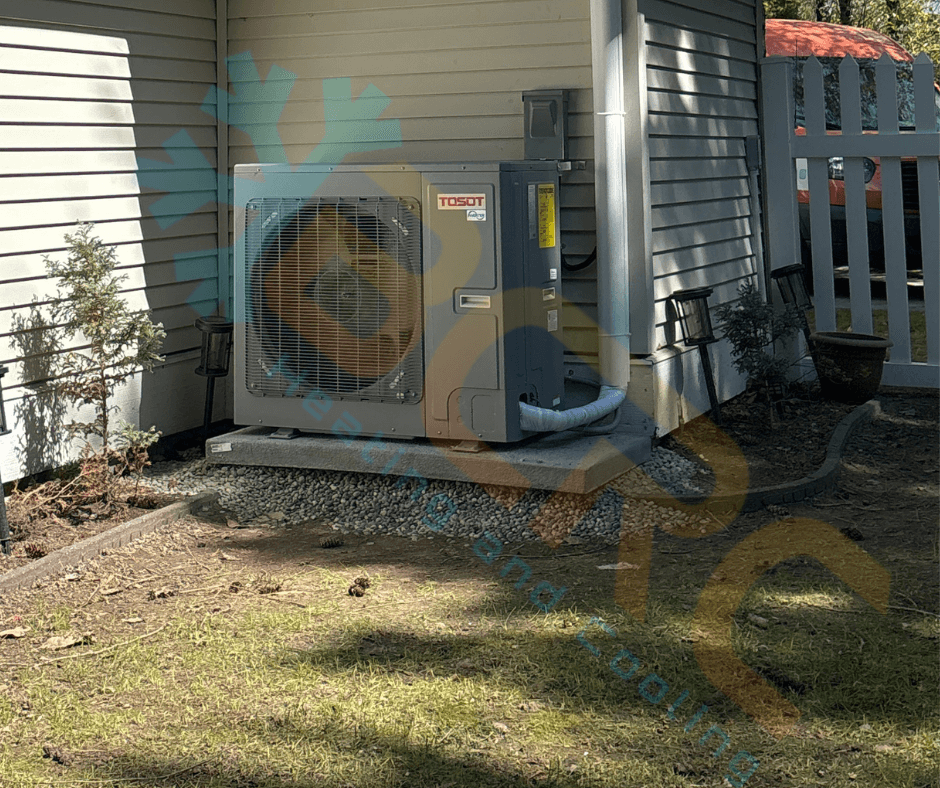
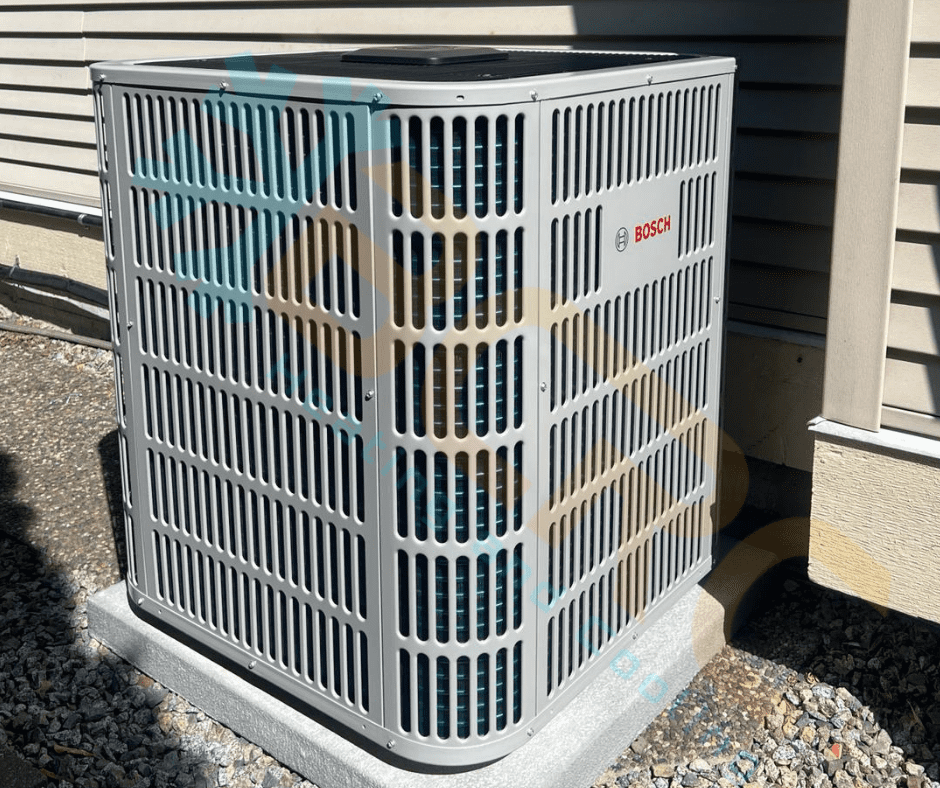
Air-Source Heat Pumps (ASHP): They absorb heat from outside air in winter and emit heat outside in summer.
Ground-Source Heat Pumps (GSHP or Geothermal Heat Pumps): These use the constant underground temperatures available all year round and are thus very efficient.
Water-source heat pumps: These take heat from a body of water, such as a lake or a pond, and are more common in larger properties.
Heat pumps are an important part of the fight against climate change providing an energy efficient alternative to traditional gas or electric heating – whatever the type.
BCRC HVAC Service in Vancouver Including:
Heat Pumps and How They Can Help Fight Climate Change
The world is facing the impacts of climate change and new technologies are being developed to reduce carbon emissions and increase energy efficiency. One such technology is heat pumps, which offer an environmentally friendly alternative to traditional heating and cooling systems. Heat pumps are important for climate change mitigation, as they can reduce greenhouse gas emissions, increase energy efficiency, and reduce dependence on fossil fuels.
Cutting Carbon Emissions
A major environmental advantage of heat pumps is their capacity to lower greenhouse gas emissions. Traditional heating systems such as gas and oil furnaces operate by burning fossil fuels and releasing carbon dioxide ( CO2 ) and other pollutants into the atmosphere . These emissions are contributing to global warming and it is important to switch to cleaner alternatives.
Heat pumps don’t create heat by burning fuel, they move heat around from the air, ground or water. The result is a massive reduction in carbon emissions. Heat pumps can cut CO2 emissions by 50-70% compared to traditional heating systems, according to studies. The effect is even stronger if the heat pumps are driven by renewable energy sources such as solar or wind. In regions where electricity generation is greening, heat pumps offer a sustainable path to carbon neutrality.
Energetics and Efficiency
Heat pumps use much less energy than traditional heating systems. Typical gas or oil furnaces may operate at 80 to 90 percent efficiency, but heat pumps operate at 300 to 400 percent efficiency. That means for every unit of electricity it uses, a heat pump can deliver three to four units of heating or cooling energy.
This efficiency translates into big savings in energy and money. Homeowners who switch to heat pumps often experience a big drop in their energy bills. Many say, for example, that their heating bills are 30-50% lower. Furthermore, energy-efficient homes help reduce the overall demand for non-renewable resources, thus easing the pressure on the energy grid and contributing to a more sustainable energy future.
Less Dependence on Fossil Fuels
Heat pumps are a practical option to replace fossil fuel-powered heating systems as governments and environmental organizations advocate for cleaner energy sources. Traditional forms of heating such as natural gas, propane and oil heating is a major contributor to climate change by releasing methane and CO2 into the atmosphere.
They provide a pathway to decarbonisation by replacing fossil fuels with electricity. When connected to renewable energy sources such as solar panels or wind turbines, heat pumps can be operated with zero emissions. This transition reduces dependence on limited fossil fuel supplies, increasing energy security and supporting sustainable energy independence.
Improved indoor air quality
Gas or oil heating systems produce combustion-related pollutants like carbon monoxide (CO), sulphur dioxide (SO2) or nitrogen oxides (NOx), but heat pumps do not. These pollutants have been linked to respiratory problems, cardiovascular disease and other health problems.
Heat pumps are a healthier choice for those with asthma, allergies or other respiratory conditions. Better air quality is also good for seniors and children, who are more vulnerable to airborne pollutants. Furthermore, they better regulate humidity in the home, reducing the risk of mould and improving the comfort of the home.
Economic Benefits to Seniors and Households
Aside from the environmental upside, heat pumps also offer a host of economic benefits, especially for seniors and homeowners looking for affordable heating solutions.
Reduced Heating & Cooling Cost
A heat pump may cost more to install initially than a traditional furnace, but the energy bill savings over the long term often make up for the initial cost. Heat pumps work at much higher levels of efficiency, which can help homeowners save big on heating and cooling costs.
For example, in colder climates where winter heating costs can be large, heat pumps are an affordable alternative to expensive fossil fuel-based systems. Families that switch from oil or propane heating to heat pumps can save hundreds, or even thousands, of dollars a year.
Government Rebates & Incentives
Many governments have also recognised the role heat pumps can play in cutting carbon emissions, and so offer financial incentives to encourage uptake. Such incentives can include tax credits, rebates and low interest loans for making your home more energy efficient.
In Canada, for example, homeowners can receive rebates of up to $6,500 through programs such as the Canada Greener Homes Grant. The U.S. federal government and states offer tax credits and rebates through programs like the Inflation Reduction Act, which includes incentives for heat pump installations. These programs facilitate a transition to sustainable heating solutions for households, especially seniors and low-income families, without putting financial strain on them.
Higher Value Property
Increasing energy efficiency is a key factor in real estate markets and homes fitted with sustainable technologies such as heat pumps tend to have a higher market value . Energy-efficient features that help reduce operating costs and lower their carbon footprint are increasingly important to homebuyers.
A home with a modern heat pump system will not only provide long-term savings in costs, but also is attractive to eco-minded buyers. With more stringent energy efficiency standards, properties with old heating systems may have lower demand on the market while properties with heat pumps will have a competitive advantage.
- When Should You Replace a Water Heater?
- Combatting Climate Change with HVAC
- The Economics of Heat Pumps
- Why Is My Furnace Blowing Cold Air?
- Air Source vs. Ground Source Heat Pumps
- Heat Pump Maintenance
- Signs Your Furnace is Dying
- Propane vs. Natural Gas Furnaces
- High-Efficiency Furnaces
- Furnace vs Heat Pump
- Eco-Friendly HVAC Systems
- How Inverter Technology is Transforming Heat Pump Efficiency
- Decarbonizing Homes with Heat Pumps
- The Future of Home Heating
- The Heat Pump Revolution
- Heat Pump Installation Challenges
- The Hidden Dangers of a Cracked Heat Exchanger
- Silent HVAC: How Engineers Are Redesigning Systems for Noise Reduction
- Furnace Efficiency Explained
- Important Questions to Ask Your HVAC Technician
- Seasonal Shifts and HVAC
- From Basements to Roofs
- Heat Pumps and Renewable Energy
- Dual-Fuel HVAC Systems
- Smart Thermostats, Smarter Homes
- Heat Pumps vs. Traditional HVAC
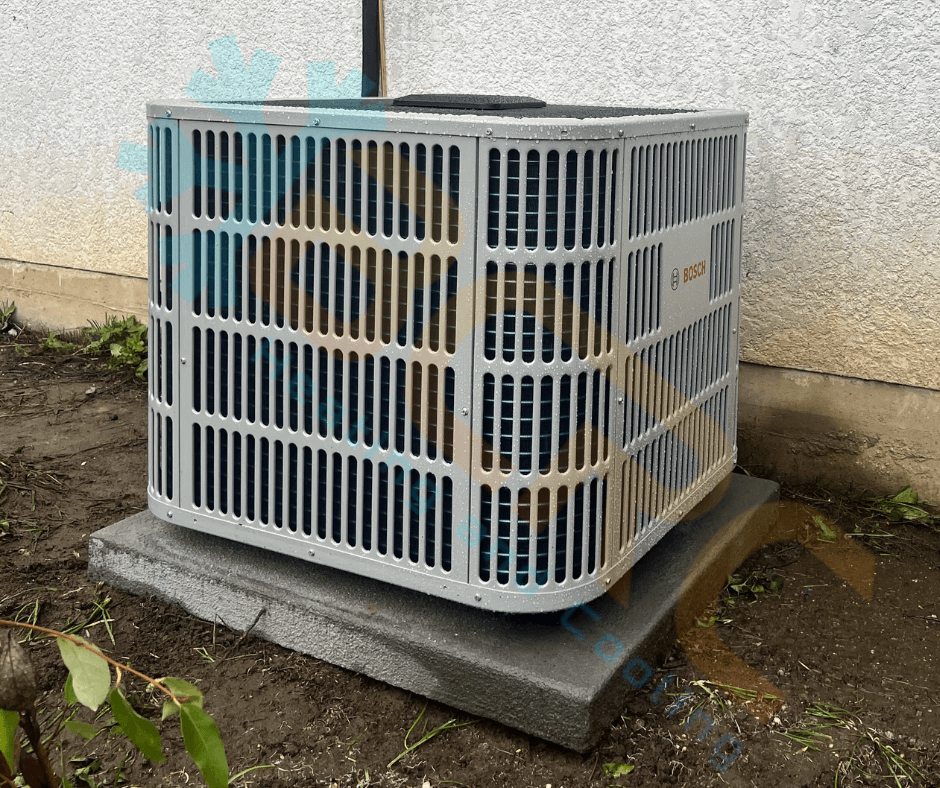
BCRC Heat Pump Installation and Heat Pump Repair Service
Challenges to Heat Pump Adoption: Overcoming Obstacles
The benefits to the environment and the economy are clear, but there are challenges to widespread adoption of heat pump technology.
Upfront Installation Costs
The upfront cost of installing heat pumps is one of the biggest barriers to their adoption. Installation costs range from $4,000 to $15,000 depending on the type and size of the heat pump. While these costs can be offset by long-term savings on energy bills, some homeowners may be unwilling to make the investment.
To solve this problem, governments and utilities need to expand rebate programs, provide low-interest financing, and educate homeowners about the financial incentives available to them.
Performance in Very Cold Climates
Older heat pump models didn’t perform as well at very low temperatures and some homeowners doubted their reliability during harsh winters. But advances in cold-climate heat pump technology have made them so effective that they are a viable solution even in regions with harsh winters.
A new-generation heat pump works efficiently at temperatures as low as -25°C (-13°F). The research and development continues and will make heat pumps even more efficient and versatile in the coming years.
Need for Installers with Skills
A lack of trained heat pump installers can slow adoption, especially in areas where the technology is still gaining traction. To accelerate the transition, investment in workforce training programs and certifications for heat pump installation is needed.
Addressing Common Concerns About Heat Pumps
Heat Pumps in Cold Weather – Do They Work?
Yup! Modern cold climate heat pumps are built to function effectively even at temperatures as low as -25°C (-13°F). breakthroughs in heat pump technology mean they will work reliably in extreme weather.
Are Heat Pumps Hard to Maintain?
Not at all. Heat pumps are low maintenance and need an annual service and regular filter changes. They have fewer moving parts than gas furnaces, so they are less likely to break down.
How long do heat pumps last for?
When maintained properly, a quality heat pump can last for 15 to 25 years, making it a long-term investment.
The Future of Heat Pumps in Climate Action
The International Energy Agency (IEA) says heat pumps will be crucial for global decarbonisation. By 2050, 2.6 billion people are projected to depend on heat pump technology for heating and cooling.
Governments around the world are focusing on policies to encourage people to switch to renewable and energy efficient heating systems. As technology develops, heat pump performance and cost-effectiveness will likely improve further.
Make the Switch to BCRC Heating and Cooling
Climate change requires our immediate action. Moving to a heat pump is not only a way to lower your carbon footprint but also save money and improve your home’s energy efficiency.
BCRC Heating and Cooling specializes in heat pump installation and service to get you on the road to a cleaner and less expensive heat source. Our expert team is ready to help you through the process and make sure you get the perfect heat pump for your home.
Don’t delay! Contact BCRC Heating and Cooling today to learn more about heat pump solutions and make a move toward a sustainable future!
The Role of Heat Pumps in Combating Climate Change cannot be denied. These systems provide a sustainable, energy-efficient and economical alternative to conventional heating. Heat pumps are the best choice for families and seniors who want to save on energy bills and help the planet.
Government incentives, long-term savings and environmental benefits mean heat pumps are poised to revolutionize the way we heat and cool our homes. Switching today means you’re improving your own quality of life, as well as taking an essential step in combating climate change.
Make the change today with BCRC Heating and Cooling!