

How to Know When You Need a New Water Heater: A Complete Guide
Table of Contents
Every house needs a water heater to provide hot water for cleaning, cooking and bathing. Water heaters are no different than any other appliance, they have a life span and after that fixes will no longer work. Knowing the warning signs of a failing water heater can save you from surprise repair costs and keep your hot water flowing without interruption.
In this guide, we’ll examine the signs that it’s time to replace your water heater, the benefits of buying a new one, and how to make a smart decision. If you don’t know how to know if you need a new water heater, this article can help. At BCRC Heating, our team of specialists have helped many homeowners choose the best water heater for their needs, and we’re here to help you too.
Signs You Need a New Hot Water Heater
You can spot some warning signs that your water heater is near the end of its life. Here are the most common signs it may be time for a replacement.
Age of water heater
Water heaters typically last between 8 and 12 years. Even if your water heater hasn’t yet experienced any serious problems, it’s a good idea to start thinking about a replacement if it’s nearing or exceeding this age. Older water heaters use more energy, are less reliable and are more prone to unexpected failures.
Takeaways:
- Water heaters older than 10 years are often not as efficient.
- Older models may not meet current energy standards and utility bills may be higher.
- Swap out an old water heater to prevent expensive emergency repairs.
Variable Water Temperature
If you are not getting consistently hot water and you are getting inconsistent results, then your water heater may be having problems. Sometimes the heating elements in a water heater break, or there is sediment build-up that prevents the water heater system from heating the water properly. This can lead to erratic water temperatures.
Takeaways:
- If the water suddenly turns cold or takes longer to heat up, that’s a warning sign.
- Sediment deposits can also decrease efficiency and hinder the ability of the water heater to maintain a constant temperature.
- A new hot water heater gives you hot water consistently without fluctuations in temperature.
Rusty or Coloured Water
If you turn on your hot water and the water tastes metallic or looks rusty, the interior of your water heater is probably corroding. If you notice rust inside the tank, it’s a clear sign that your water heater is nearing the end of its life and it’s time to replace it right away before the tank begins to leak.
Takeaways:
- Rusty water is a sign of internal corrosion and possible leaks.
- A broken water heater tank can burst and cause water damage to your home.
- A new model upgrade will prevent costly damage and ensure clean, safe water.
BCRC Hot Water Tank Installation and Hot Water Tank Repair Service
BCRC Hot Water Tank Installation in Following Cities
- Hot Water Tank Installation in Surrey
- Hot Water Tank Installation in Burnaby
- Hot Water Tank Installation in Richmond
- Hot Water Tank Installation in West Vancouver
- Hot Water Tank Installation in North Vancouver
- Hot Water Tank Installation in Abbotsford
- Hot Water Tank Installation in White Rock
- Hot Water Tank Installation in New Westminster
- Hot Water Tank Installation in Coquitlam
- Hot Water Tank Installation in Langley
- Hot Water Tank Installation in Vancouver
- Hot Water Tank Installation in Pitt Meadows
- Hot Water Tank Installation in Maple Ridge
- Hot Water Tank Installation in Port Moody
- Hot Water Tank Installation in Port Coquitlam
- Hot Water Tank Installation in Tsawwassen
- Hot Water Tank Installation in Lions Bay
- Hot Water Tank Installation in Anmore
- Hot Water Tank Installation in Delta
- Hot Water Tank Installation in Bowen Island
- Hot Water Tank Installation in Belcarra


Leaks Around Water Heater
If you see a pool of water around the base of your water heater, then you have a problem. Leaks may be caused by several things, including a damaged valve or a crack in the tank. A small leak can quickly turn into a big mess for your home. If you notice any leaks, it’s important to replace your water heater right away to prevent the problem from getting worse.
Takeaways:
- Water heaters are prone to leaks and can cause water damage to your home.
- In general, it’s not cost-effective to repair a leak in an older water heater.
- A new water heater brings peace of mind and no more leaks and flooding.
Weird Sounds Coming from the Tank
Typically, water heaters are quiet in operation. On the bright side, if your water heater begins to make popping, rumbling or banging noises, sediment has accumulated at the bottom of the tank. When heated and then reheated, the silt hardens, forcing the system to work harder and risking inefficiency or collapse.
Takeaways:
- Noises are an indication of sediment buildup, causing overheating and reduced efficiency.
- That noisy water heater is probably on its last legs.
- Silent, efficient Modern Water Heaters save energy and reduce noise pollution.
Increasing Energy Bills
If you suddenly or gradually notice a spike in your energy costs, it might be a sign that your water heater isn’t operating as efficiently as it should. Older water heaters use more energy to heat water, thus increasing utility bills. If you’re noticing your energy bills rising for no apparent reason it may be time to consider a more energy efficient water heater.
Takeaways:
- An energy-inefficient water heater also consumes more energy, leading to higher utility bills.
- New energy-efficient water heaters can cut monthly energy bills.
- Making the switch to an ENERGY STAR® certified model can save hundreds of dollars each year.
Common Repairs
However, if you’ve had to call for water heater repairs more than once in a short time, it’s time to consider the fact that your system is nearing the end of its usable life. Repairs can be a temporary fix but they can add up quickly and replacement can be a cost effective solution in the long run.
Takeaways:
- Frequent repairs are a sign of ongoing problems and possible failure.
- Often it is more cost-effective to replace your water heater than to keep repairing it.
- A new water heater is more reliable and requires less maintenance.
Advantages of Having a New Water Heater Installed
Replacing an old or malfunctioning water heater comes with several advantages. Investing in a new water heater is a great way to increase your home’s efficiency, boost your comfort and improve your convenience.
Enhanced Energy Efficiency
New Water Heaters Are Engineered for Energy Efficiency Today’s models use less energy to heat the same amount of water as older models, so you’re using less energy and paying less each month in utility bills. Many of today’s water heaters are ENERGY STAR® certified, meaning they meet or exceed energy efficiency standards.
Advantages:
- Lower energy use means lower utility bills.
- Energy-efficient models cut the environmental impact of your home.
- Purchase a water heater with a better energy rating to save money in the long run.
Improved performance for water heating
Upgrading to a new water heater ensures that you’ll always have a steady supply of hot water when you need it. New systems are built to accommodate modern homes with steady temperatures and faster heating times when choosing a tankless water heater or a traditional tank water heater.
Advantages:
- No more waiting for the water to heat up.
- Reliable hot water for showers , laundry , dishes .
- Tankless water heaters provide endless hot water on demand.
Lower Chances of Breakdowns and Leaks
Old water heaters are prone to failures, leaks and other problems that can lead to costly repairs or water damage in your home. Upgrade your aging water heater to a new model saving you time and money and avoid costly and unexpected breakdowns.
Advantages:
- Less emergency repairs and water damage risk .
- A new water heater means less problems and consistent operation.
- Peace of mind that your system won’t fail abruptly.
Space Saving Design
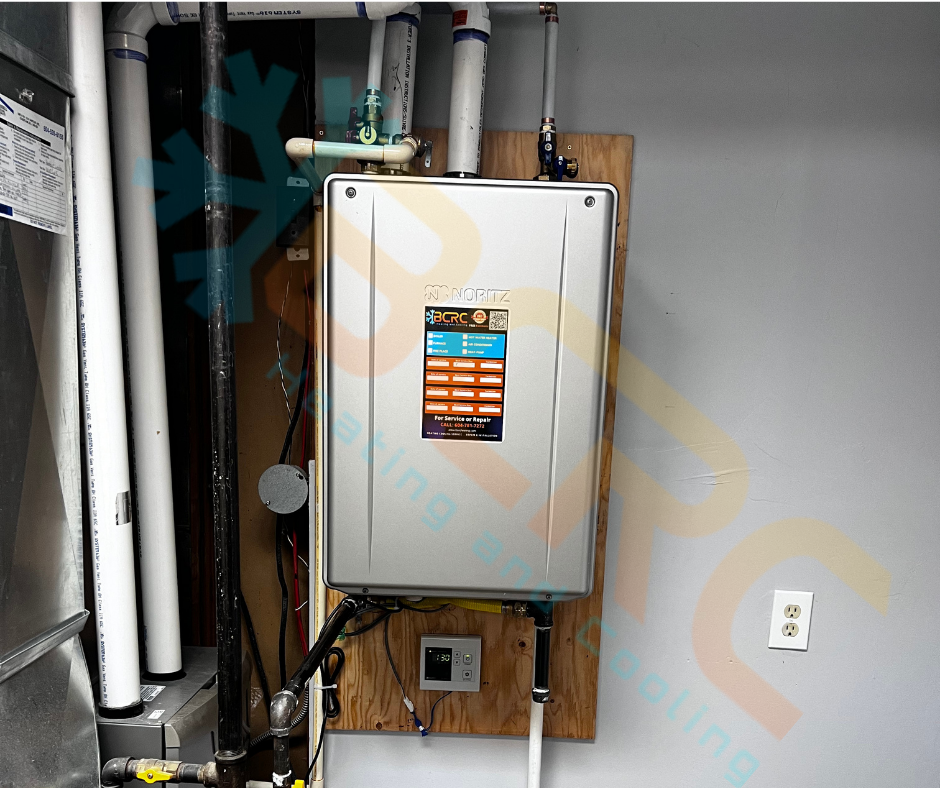
If you are thinking about a tankless water heater, the space-saving design is a plus. Tankless types are compact and mounted on a wall, freeing up valuable floor space in your utility room or basement. In recent years, even traditional water heaters have been getting smaller, giving installers more choices in how they install them.
Advantages:
- Tankless models save space and can fit into tight spaces.
- Clear space in your utility room or basement
- Today’s tank water heaters are smaller and easier to install.
Extended Life span
New water heaters are designed to last. Many of the new models carry warranties of 10-15 years or longer, so you can rest easy knowing you have a long-lasting product! You can be assured that purchasing a quality water heater will provide you with years of worry-free use.
Advantages:
- Longer life span means fewer replacements over time.
- Protect your investment in new water heaters with extended warranties.
- Long-lasting unit for reliable hot water for years to come.
- How Much Does A New Furnace Cost in Vancouver?
- Difference Between a Cold Climate and Standard Heat Pump
- When Should You Replace a Water Heater?
- A Step-by-Step Guide: How to Change Your Furnace Filter
- The Essential Guide to AC Maintenance
- Ultimate Furnace Troubleshooting Guide
- Understanding the True Cost of HVAC Repair
- Why Vancouver Homeowners Are Switching to High-Efficiency Air Conditioning Systems
- How to Prevent Carbon Monoxide Leak in Gas Furnace and Keep Your Home Safe
- Buying a Water Heater
- Eco-Friendly HVAC Systems
- Green Energy Myths Debunked
- Why Heat Pump Not Cooling
- Enhancing Air Quality in Your Home
- How to Reduce HVAC Energy Use
- How to Know When You Need a New Water Heater
- Should You Really Have Your HVAC System Serviced Every Year?
- The Benefits of an Annual Furnace Tune-Up
- How to Keep Your Heating System in Top Shape
- Important Questions to Ask Your HVAC Technician
- What is a Furnace Inspection and How to Do That
- 5 Reasons Regular Furnace Maintenance is Critical
- How to Know When to Replace Your Water Heater
- How HVAC Can Improve Indoor Air Quality and Health
- What Does Mean Efficiency for HVAC Performance?
- Heat Pumps vs. Traditional HVAC

BCRC Water Heater Installation and Water Heater Repair Service
Choosing the Right Water Heater
If you’re replacing your water heater, here are some questions to consider that will help you find the best unit for your home.
Water Heater Type
Traditional tank and tankless are the two main types of water heaters. Tankless models provide hot water on demand, while tank models store and heat large quantities of water.
Capacity & Size
Choose a water heater that meets your family’s needs. Families that are larger may require a water heater that is bigger to ensure a continuous supply of hot water.
Energy Efficiency
Select water heaters with high energy-efficiency ratings to cut energy consumption and utility bills. ENERGY STAR® certified models are something to think about for households that want to reduce their carbon footprint.
If you’re experiencing any of the above symptoms, it might be time to replace your water heater. BCRC Heating is an expert at helping homeowners select and install the perfect water heater to meet their needs. Whether you’re looking for a high-capacity conventional water heater or an energy-efficient tankless model, our team of professionals is here to help you every step of the way.
Contact BCRC Heating today to learn more about our water heater installation services and to book a consultation. To get started, give us a call at 6047817272 or check out our website. Don’t wait until your water heater breaks to replace it! Replace it with a new energy-efficient water heater now and enjoy reliable hot water for years to come!