


Water Heater Pros and Cons
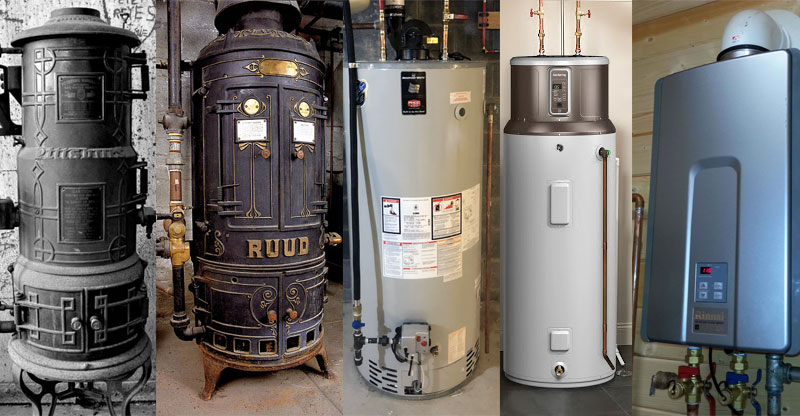
Water heaters are essential appliances that provide hot water for various household purposes. Here are the pros and cons of water heaters to help you understand their advantages and disadvantages:
Pros of Water Heaters:
Hot Water Supply: Water heaters ensure a steady and convenient supply of hot water for showers, baths, dishwashing, laundry, and other tasks, enhancing daily comfort.
Energy Efficiency: Modern water heaters are designed to be energy-efficient, reducing energy consumption and lowering utility bills. Tankless water heaters, in particular, are known for their energy efficiency.
Fuel Options: Homeowners can select the best fuel source for their requirements and tastes from a variety of water heater models, including electric, gas, oil, and solar-powered models.
Fast Recovery: When hot water runs out, tank-based water heaters can quickly recover because they have a ready-to-use hot water reservoir. Households with high hot water demands will particularly benefit from this.
Simple Installation: Professional installation guarantees that water heaters function effectively, and they are usually simple to install.
Water heater drawbacks:
Limited Hot Water Supply: If tank-based water heaters are used extensively in a short period of time, their limited hot water supply may run out. There may be times when the water is cold until the tank warms up.
Standby Heat Loss: When a tank-based water heater is not in use, heat may escape from the tank. Energy is wasted as a result.
Space Requirements: Installing water heaters, particularly tank-based models, requires space. For homeowners who want to free up storage spaces or have limited space, this may be a disadvantage.
Maintenance Requirements: To guarantee effective operation and extend their lifespan, all water heaters require routine maintenance. Costly repairs and decreased efficiency can result from neglected maintenance.
Environmental Impact: Due to energy consumption and greenhouse gas emissions, some water heater types—especially those that run on fossil fuels—have an adverse effect on the environment.
Initial Cost: Although tankless water heaters can save money over time, they frequently cost more up front than conventional tank-based models. However, over time, energy savings may make up for this cost difference.
Complexity of Installation: Installing tankless water heaters may necessitate extra electrical work or changes to the gas line, which could raise installation costs.
In conclusion, water heaters provide homes with the convenience of hot water, but there are drawbacks, including limited hot water supply, energy efficiency, upkeep, and initial costs. Budgetary restrictions, energy preferences, and personal needs should all be taken into consideration when selecting a water heater.