


Dual-Fuel Systems: Balancing Furnace & Heat Pump for Efficiency in Vancouver
Table of Contents
Vancouver homeowners are increasingly looking for heating systems that deliver reliable winter comfort without unnecessarily increasing energy costs. With improvements in heat pump technology and growing interest in energy-efficient home heating, one solution stands out for homeowners who want the advantages of both electric and gas heating: a dual-fuel system.
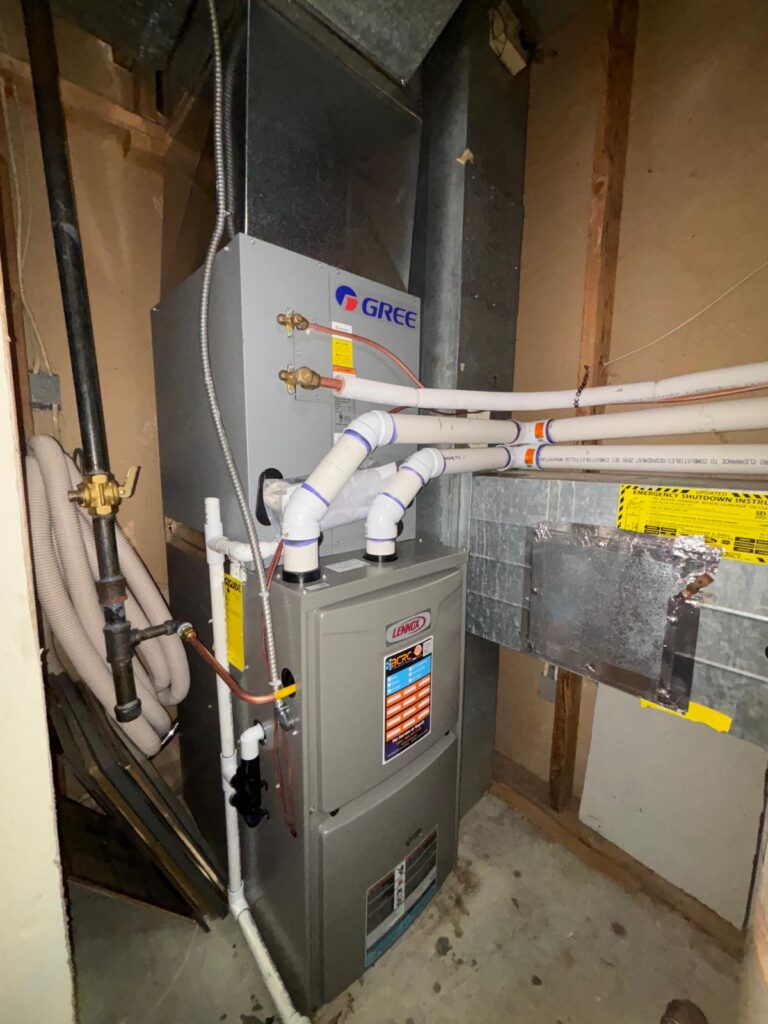
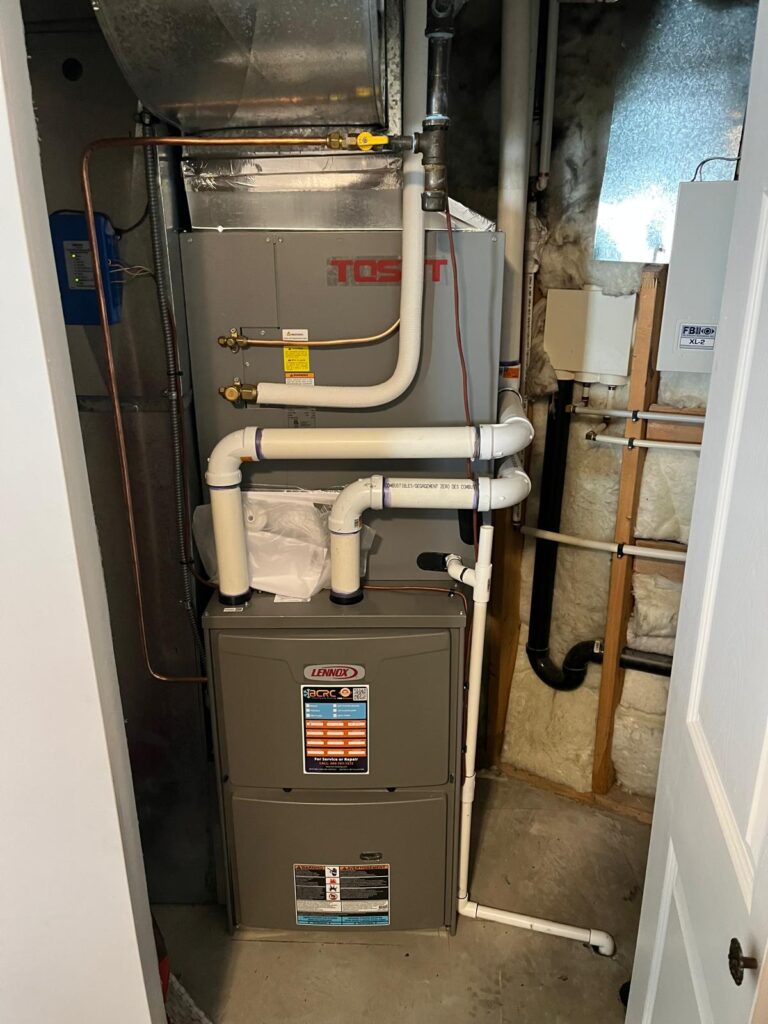
A dual-fuel HVAC system combines a heat pump with a gas furnace. Instead of relying on one heating source throughout the entire winter, the system automatically selects the heating method that makes the most sense based on outdoor temperature, energy conditions, and the home’s heating requirements.
Please check our professional furnace installation service in Vancouver.
The key to getting the most from this setup is Balancing Furnace & Heat Pump operation. When properly designed and configured, a dual-fuel system can provide efficient heating during milder weather while allowing the gas furnace to take over when additional heating capacity is needed.
For Vancouver homeowners, this approach can provide an attractive combination of efficiency, flexibility, comfort, and reliability.
In this guide, BCRC Heating and Cooling explains how dual-fuel systems work, when the furnace and heat pump operate, the benefits of this technology, and what homeowners should consider before upgrading.
What Is a Dual-Fuel HVAC System?
A dual-fuel system combines two heating technologies:
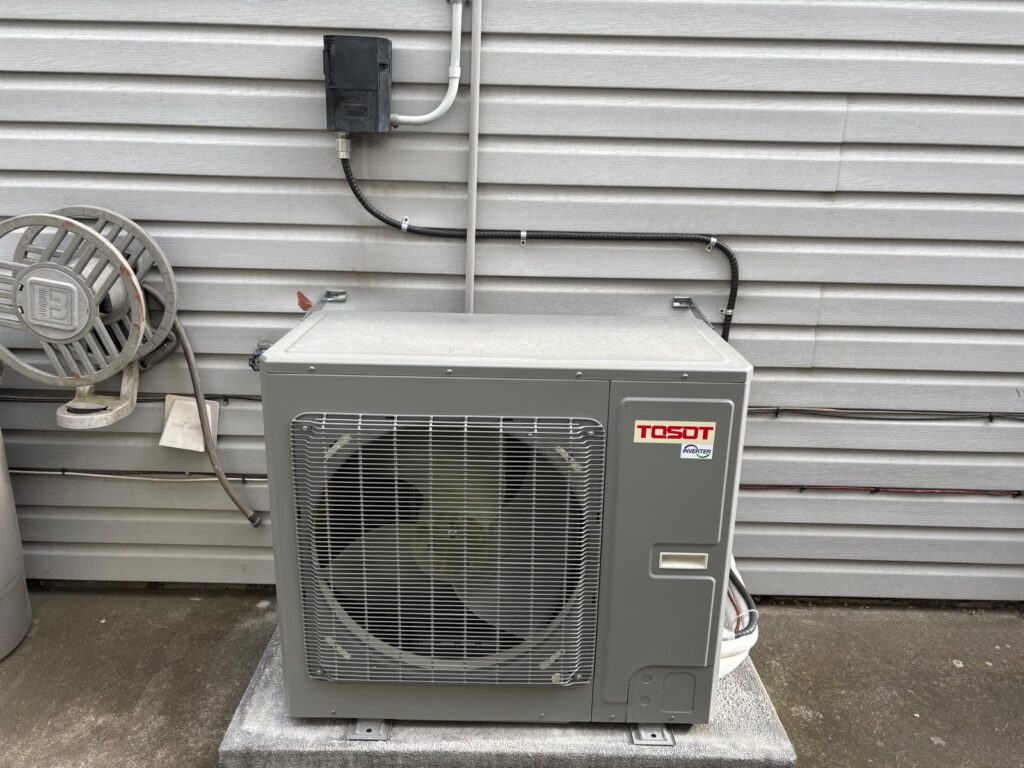
- An electric heat pump
- A gas furnace
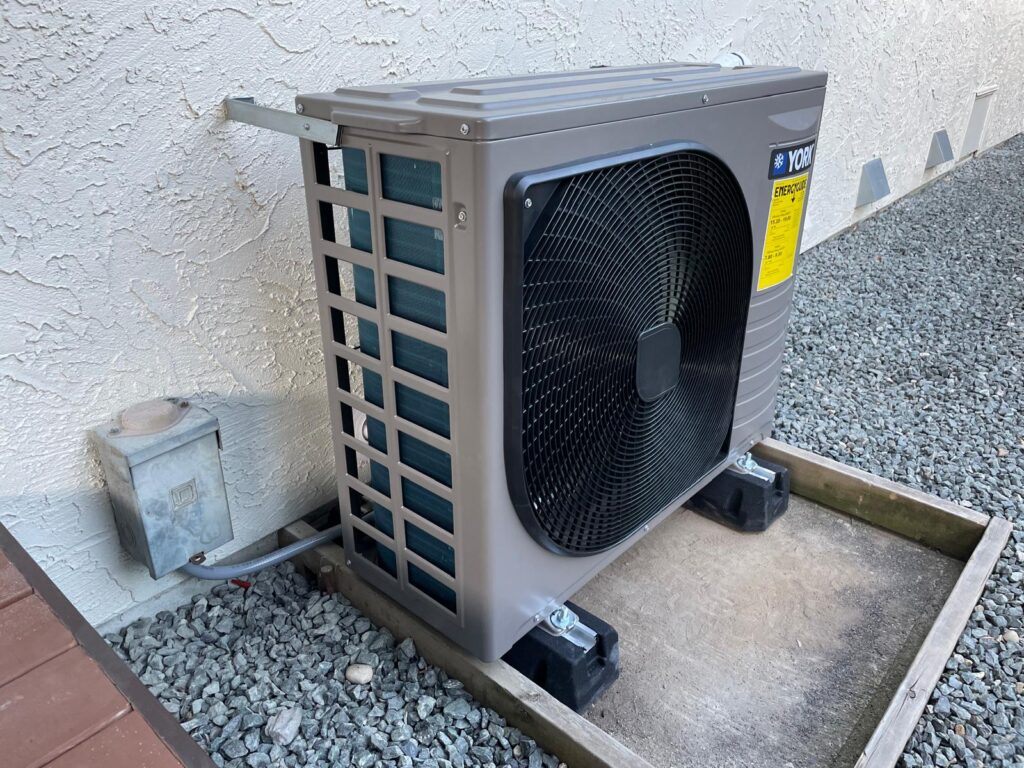
The heat pump provides heating during moderate outdoor temperatures and can also provide air conditioning during summer. When outdoor conditions become colder or the heat pump reaches a predefined operating point, the system can switch to the gas furnace.
This automatic changeover is the foundation of Balancing Furnace & Heat Pump performance.
Rather than forcing the heat pump or furnace to operate under every condition, a properly configured dual-fuel system uses each technology when it is most effective.
The result is a flexible heating strategy designed around efficiency and comfort.
How Does a Dual-Fuel System Work?
A dual-fuel system typically operates through an intelligent thermostat or integrated control system.
During relatively mild winter weather, the heat pump may provide most or all of the home’s heating. Because heat pumps transfer heat rather than generate it through combustion, they can provide efficient heating while using electricity.
As outdoor temperatures fall, the system monitors conditions and determines whether continuing to operate the heat pump remains practical.
At a predetermined temperature, sometimes called the balance point or changeover point, the gas furnace can take over.
This process allows for effective Balancing Furnace & Heat Pump operation without requiring the homeowner to manually switch between heating systems.
The exact changeover temperature should be determined based on the equipment, home characteristics, local climate, energy costs, and system design.
What Is the Balance Point?
The balance point is an important concept in dual-fuel heating.
It generally refers to the outdoor temperature at which the heat pump’s ability to provide heat aligns with the home’s heating requirements or where another heating source becomes more practical.
There isn’t one universal balance-point temperature for every Vancouver home.
It can depend on:
- Heat pump capacity
- Furnace capacity
- Home insulation
- Building envelope
- Outdoor temperature
- Electricity costs
- Natural gas costs
- Desired indoor temperature
- Equipment efficiency
This is why professional system design is essential when Balancing Furnace & Heat Pump operation.
An HVAC professional can evaluate the home and equipment rather than relying on a generic temperature setting.
Why Combine a Furnace With a Heat Pump?
Some homeowners wonder why they should install or retain two heating technologies when a heat pump can provide heating on its own.
The answer is flexibility.
A heat pump can provide highly efficient heating during many Vancouver winter conditions. However, a gas furnace can provide high heat output when temperatures drop and heating demand increases.
Combining the two technologies provides homeowners with another layer of heating capacity.
For homeowners who want efficient heating without giving up the familiarity and capacity of a gas furnace, Balancing Furnace & Heat Pump can offer an appealing compromise.
Emergency Furnace Service Vancouver
Benefits of a Dual-Fuel System
1. Improved Energy Efficiency
Heat pumps can be extremely efficient because they transfer existing heat rather than creating heat directly.
Using the heat pump during conditions where it operates efficiently can reduce reliance on the furnace.
Proper Balancing Furnace & Heat Pump controls allow the system to take advantage of this efficiency while retaining the furnace for conditions where it may be more appropriate.
2. Reliable Cold-Weather Heating
A dual-fuel system provides two heating sources.
When outdoor temperatures become particularly cold or heating demand increases, the furnace can provide additional heating capacity.
This can give homeowners greater confidence that their home will remain comfortable during colder weather.
3. Year-Round Cooling
One of the biggest advantages of adding a heat pump is that it can provide efficient air conditioning during summer.
Instead of installing a separate air conditioner, the heat pump can reverse its operation and remove heat from the home.
That means one system can provide:
- Heating
- Cooling
- Automatic heating-source changeover
- Improved temperature control
4. Greater Flexibility
Energy prices can change over time.
A dual-fuel system provides homeowners with two energy sources and allows the HVAC controls to manage which system operates.
This flexibility is a major advantage of Balancing Furnace & Heat Pump technology.
Is a Dual-Fuel System Good for Vancouver?
Vancouver’s climate makes dual-fuel systems particularly interesting.
The Lower Mainland generally experiences relatively moderate winters compared with many other parts of Canada. Heat pumps can therefore operate efficiently throughout a significant portion of the heating season.
At the same time, Vancouver occasionally experiences colder weather when heating demand rises.
A properly designed dual-fuel system can use the heat pump during milder periods and the furnace when additional heating capacity is needed.
This makes Balancing Furnace & Heat Pump operation a practical strategy for homeowners who want both efficiency and dependable heating.
Can a Heat Pump Work With an Existing Furnace?
In many homes, yes.
A compatible heat pump can potentially be integrated with an existing gas furnace, provided the equipment, ductwork, electrical system, controls, and installation requirements are appropriate.
However, compatibility should never be assumed.
An HVAC professional should evaluate:
- Furnace age
- Furnace efficiency
- Blower compatibility
- Ductwork condition
- Electrical requirements
- Heat pump capacity
- Thermostat and control compatibility
The goal is to ensure seamless Balancing Furnace & Heat Pump operation rather than simply connecting two pieces of equipment.
What Happens During Summer?
A major advantage of a dual-fuel system is that the heat pump doesn’t sit unused during summer.
The system can reverse its refrigeration cycle to provide air conditioning.
The gas furnace remains available for heating, while the heat pump handles cooling.
This makes a dual-fuel configuration a comprehensive year-round HVAC solution.
For Vancouver homeowners who currently have a furnace but lack central air conditioning, adding a heat pump can significantly improve summer comfort.
How Controls Determine Which System Runs
The thermostat and HVAC controls are central to effective dual-fuel operation.
Depending on system design, controls may consider:
- Outdoor temperature
- Indoor temperature
- Heating demand
- Heat pump capacity
- Furnace capacity
- Energy costs
- Equipment operating limits
The system can then determine whether the heat pump or furnace should provide the required heating.
Proper control setup is one of the most important elements of Balancing Furnace & Heat Pump performance.
Even excellent equipment can perform poorly if the controls are incorrectly configured.
Does a Dual-Fuel System Save Money?
Potential savings depend on the home and how the system is operated.
Factors include:
- Existing furnace efficiency
- Heat pump efficiency
- Electricity rates
- Natural gas rates
- Home insulation
- System sizing
- Thermostat settings
- Annual heating demand
The purpose isn’t necessarily to eliminate gas consumption entirely.
Instead, a properly designed system can use the heat pump when it makes economic and efficiency sense while retaining the furnace for other conditions.
That approach can make Balancing Furnace & Heat Pump a valuable long-term strategy.
Installation Quality Matters
A dual-fuel system is more sophisticated than simply installing a heat pump beside a furnace.
The equipment must work together correctly.
Professional installation should include:
- Proper system sizing
- Heat-loss calculations
- Ductwork assessment
- Electrical evaluation
- Refrigerant system commissioning
- Furnace compatibility checks
- Thermostat configuration
- Changeover control setup
- Complete performance testing
At BCRC Heating and Cooling, our HVAC professionals evaluate the entire heating system before recommending an upgrade.
Maintenance for Dual-Fuel Systems
Because a dual-fuel system contains multiple major HVAC components, regular maintenance is especially important.
Homeowners should arrange routine inspections of both the heat pump and furnace.
Maintenance may include:
- Filter replacement
- Furnace inspection
- Heat pump inspection
- Coil cleaning
- Electrical testing
- Refrigerant system evaluation
- Airflow testing
- Thermostat verification
Keeping both systems properly maintained helps ensure smooth Balancing Furnace & Heat Pump operation throughout the year.
BCRC Water Heater Installation and Water Heater Repair Service
Frequently Asked Questions
What is a dual-fuel HVAC system?
A dual-fuel HVAC system combines an electric heat pump with a gas furnace. The system can automatically switch between the two heating sources depending on operating conditions.
Is a dual-fuel system efficient?
It can be highly efficient when properly sized and controlled. The heat pump can handle milder conditions, while the furnace provides additional heating capacity when needed.
Can a dual-fuel system cool my home?
Yes. The heat pump can provide air conditioning during summer.
Does a dual-fuel system require two thermostats?
Usually, no. A compatible integrated control or thermostat can manage the heat pump and furnace together.
Can I use my existing furnace?
Possibly. Compatibility depends on the furnace, heat pump, controls, ductwork, electrical requirements, and system design.
Is dual-fuel better than a heat pump alone?
Not necessarily for every home. A heat pump alone may be an excellent option for some properties, while a dual-fuel configuration can provide additional flexibility and heating capacity for others.
How to Know If Dual-Fuel Is Right for Your Home
Every Vancouver home is different.
Before choosing a dual-fuel system, homeowners should consider:
- The age of their furnace
- Existing ductwork
- Home insulation
- Electrical capacity
- Heating requirements
- Cooling requirements
- Budget
- Long-term plans for the property
A professional assessment can help determine whether a heat pump alone, a new furnace, or a dual-fuel configuration provides the best solution.
The objective of Balancing Furnace & Heat Pump technology is not simply to install more equipment. It is to create a heating system where each component performs the job it is best suited to handle.
The Future of Flexible Home Heating
HVAC technology is moving toward smarter and more flexible systems.
Modern heat pumps, high-efficiency furnaces, advanced thermostats, and automated controls allow homeowners to manage comfort more intelligently than ever.
For homeowners who want to combine efficient electric heating with dependable gas heating, dual-fuel technology provides an adaptable solution.
As Vancouver homeowners continue looking for ways to improve energy efficiency without sacrificing comfort, Balancing Furnace & Heat Pump systems are likely to remain an important HVAC option.
Final Thoughts
A dual-fuel HVAC system can provide the best of two heating technologies: the efficiency and versatility of a heat pump combined with the dependable heating capacity of a gas furnace.
The key is proper design.
When equipment is correctly sized, compatible, professionally installed, and properly controlled, Balancing Furnace & Heat Pump operation can provide efficient heating during moderate conditions while maintaining reliable backup capacity when temperatures fall.
For Vancouver homeowners, this combination can also provide efficient summer cooling, making it a practical year-round HVAC solution.
Ready to Balance Comfort, Efficiency, and Reliability?
Let BCRC Heating and Cooling Design the Right Dual-Fuel Solution for Your Vancouver Home
Wondering whether a dual-fuel system makes sense for your home? Don’t rely on a one-size-fits-all recommendation.
BCRC Heating and Cooling can evaluate your existing furnace, ductwork, home heating requirements, and cooling needs to determine whether a heat pump, furnace replacement, or dual-fuel system is the right choice for your property.
Our experienced HVAC professionals focus on proper sizing, quality installation, reliable system controls, and long-term performance.
Contact BCRC Heating and Cooling today to schedule your professional HVAC assessment and discover how the right combination of furnace and heat pump technology can deliver greater comfort, efficiency, and peace of mind throughout the year.


