Green Upgrades: When to Replace Boilers with Heat Pumps
Table of Contents
Heating systems are an important part of the daily lives of many Vancouver homeowners, particularly seniors looking for comfort, security and lower energy bills. For decades, traditional boilers have been a staple in countless homes, but modern heat pumps are quickly becoming the go-to option for energy efficiency and eco-friendliness. When to switch my boiler to a heat pump is a question that many people ask.
Hundreds of homes have made the switch with the help of BCRC Heating and Cooling. This complete guide will show you the signs, benefits and best time to replace your old boiler with a heat pump so you can enjoy a warmer, greener and cheaper home.
Boilers vs. Heat Pumps: What’s the difference?
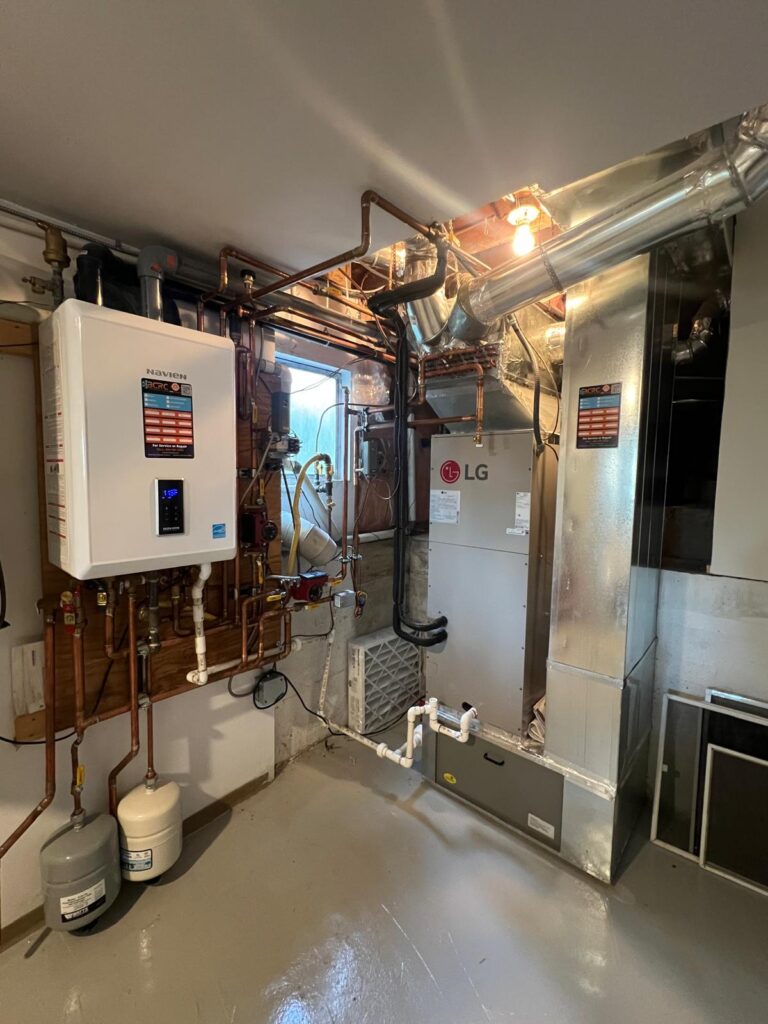
Before we go into When to Replace Boilers with Heat Pumps, it’s important to understand how each system works. Our Vancouver heat pump installation service.
Boilers heat water and distribute it through radiators or underfloor heating. They burn natural gas, oil or electricity.
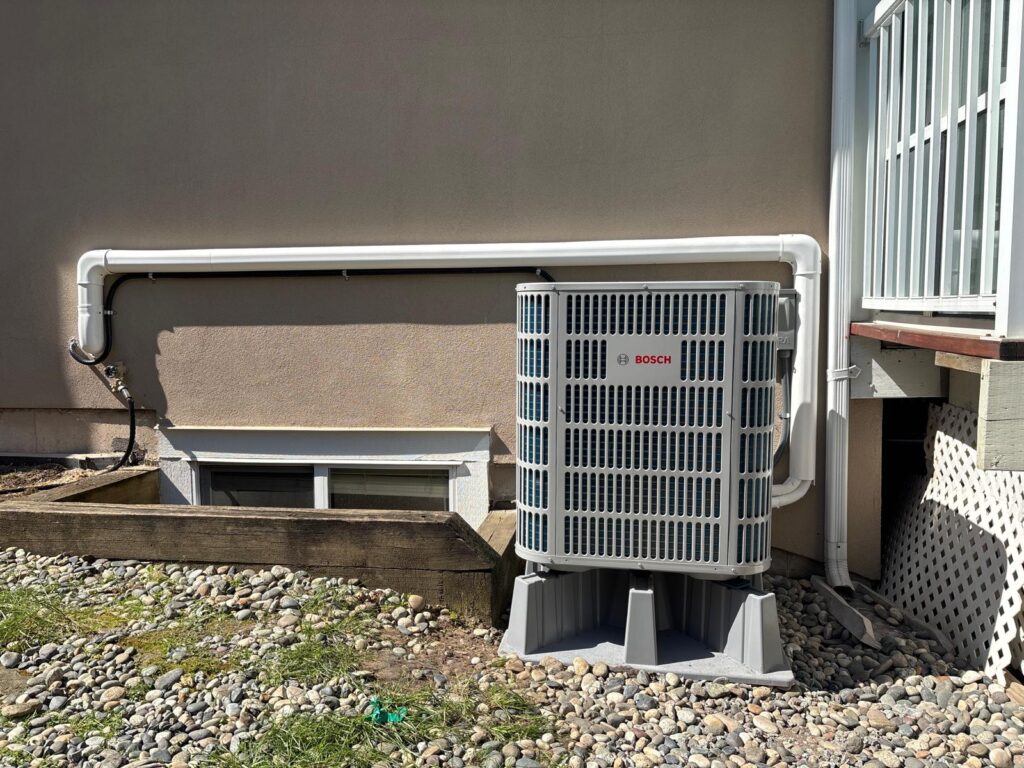
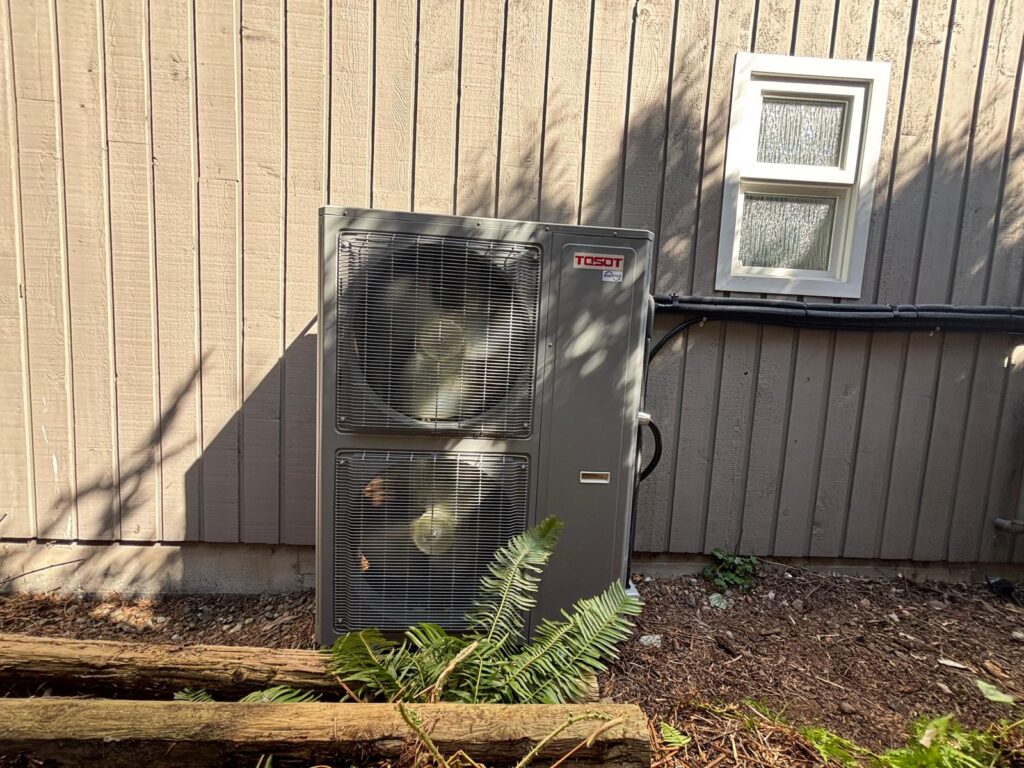
Heat pumps, however, move heat around instead of generating it. In winter they take heat from the air or the ground and pump it into the house . In summer they can do the reverse and cool your house .
The big plus? Heat pumps are three times as efficient as boilers, producing three units of heat for every unit of electricity used.
Why Vancouver homeowners are ditching
Vancouver is a great place to consider When to Replace Boilers with Heat Pumps, with its mild winters and a community that is increasingly aware of climate. Many homeowners, especially seniors, appreciate:
More efficiency means lower utility bills.
Environmental benefits via the reduction of carbon emissions.
Year-round comfort, one system for heating and cooling.
Safer operation, as heat pumps do not burn fossil fuels.
Signs You Need to Replace Your Boiler
The initial step in determining whether to replace boilers with heat pumps is to assess the condition and performance of your current heating system. Some boilers will last for decades if properly maintained but even the best boilers lose efficiency and reliability.
Here are the top signs that it’s time to consider replacement:
Your boiler is more than 15 years old
Older boilers are often operated at efficiency levels far below modern standards. Even if it still works, you could be spending much more than necessary on heating.Frequent repairs
If you’re calling a technician multiple times in a year, the costs of repairs can quickly outweigh the benefits of keeping the boiler running. By contrast, heat pumps typically require less maintenance.Unequal heating
Hot and cold spots in your home means your system is not circulating heat efficiently. A correctly sized heat pump offers even heat to all areas of your home.Higher energy costs
If your energy prices have remained stable but your heating bills have been increasing, your boiler efficiency could be the culprit.No safety features
Older boilers may not have the modern safety systems that help prevent carbon monoxide leaks or overheating, so something to think about if you have seniors or children in the home.
Environmental Notes (
One of the biggest reasons to know When to Replace Boilers with Heat Pumps is the environmental effect. Traditional boilers burn fossil fuels, such as natural gas, propane or oil, which release carbon dioxide into the atmosphere.
Changing to a heat pump can make a big difference to your household’s carbon footprint. In BC, the majority of our electricity is generated through hydro, which makes heat pumps clean and renewable.
Why it matters:
Less greenhouse gas emissions – If you use less fossil fuel you will reduce the carbon footprint of your home.
Support for BC’s climate goals – The province has made strong commitments to reducing emissions and heat pump adoption is a major part of that plan.
Better air quality – Eliminating combustion-based heating reduces indoor pollutants and helps to create cleaner outdoor air.
For families dedicated to sustainability, knowing When to Replace Boilers with Heat Pumps is more than just cash savings – it’s about investing in a better future.t Pumps is about more than just saving money — it’s about investing in a healthier future.
When Is the Best Time to Replace Your Boiler?
Timing your upgrade can make the process smoother and cheaper. In Vancouver’s mild climate, the best time to replace your boiler with a heat pump is typically late spring through early fall.
Why now is the best time:
Reduced heating demand – you won’t be left without heat during the installation period.
Improved installer availability – HVAC companies are more open in the off-season.
Potential savings – Some contractors offer rebates or seasonal specials.
Plan your replacement now to be ready for the cold season, ensuring a seamless transition and avoiding the stress of a mid-winter boiler breakdown emergency.
Health Benefits and Comfort
Efficiency and environmental impact are important, but comfort seems to be what most homeowners notice first after switching.
The advantage of knowing When to Replace Boilers with Heat Pumps is the understanding that heat pumps provide a different, and often more pleasant, heating experience.
Benefits are:
Even, consistent warmth. Heat pumps maintain a constant indoor climate without the spikes and drops of temperature.
Better humidity control – Heat pumps don’t dry out the air too much in the winter like boilers do.
Cleaner Indoor Air – Heat pumps with sophisticated filtration can reduce allergens, dust and other irritants.
Less noise – Modern heat pumps operate more quietly, cutting down on disturbances in the home.
These benefits can greatly improve daily comfort and overall health for seniors or those with respiratory issues.
Savings in Energy Over Time
Another strong reason to determine When to Replace Boilers with Heat Pumps is the potential for significant reductions in energy costs. The initial cost of a heat pump system is likely to be higher than replacing your old boiler with another boiler, but the running costs are usually much cheaper.
Here’s why:
High efficiency – Heat pumps move heat rather than create it through combustion, so are up to three times more efficient.
Lower fuel costs – You’ll cut or eliminate your reliance on costly fossil fuels.
Rebates and Incentives – British Columbia has programs to help offset installation costs.
Often, homeowners find they can cut their annual heating costs by 30–50% when they switch. These savings can add up to thousands of dollars over the life of the system.
Selecting the Right Heat Pump
Once you know when to replace boilers with heat pumps, and you’ve decided that now is the time, the next step is to select the right system. Options range from:
Vancouver climate is perfect for air source heat pumps.
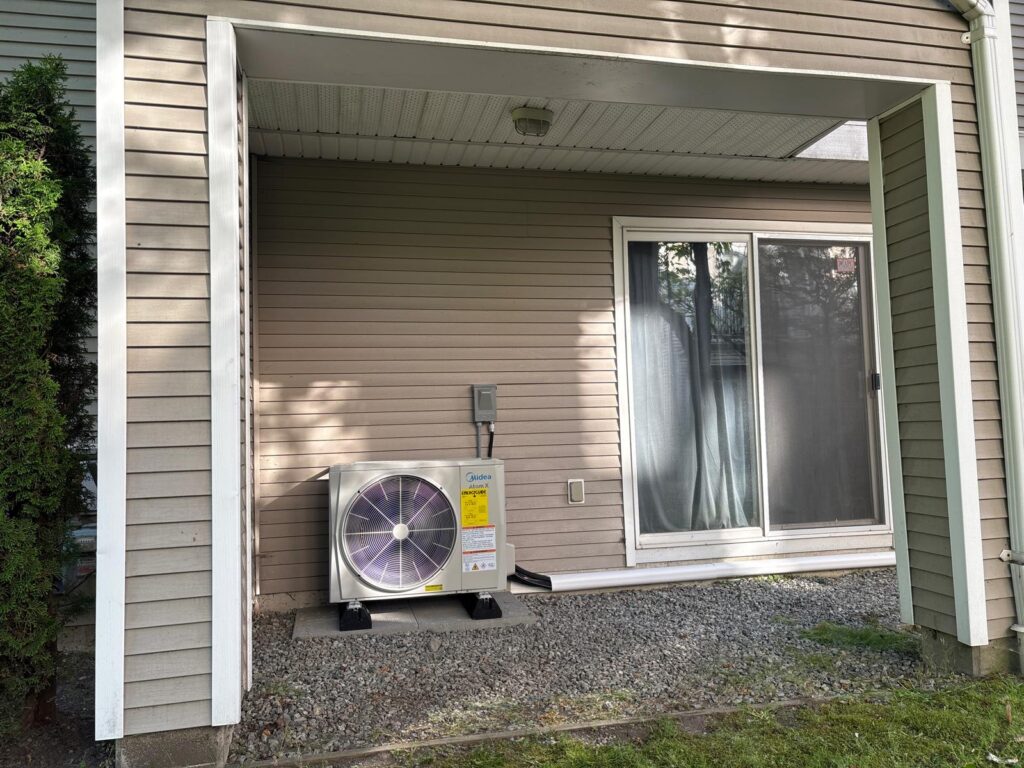
Ductless mini-splits – Best for homes without any ductwork.
Ground-source (geothermal) – More efficient but more expensive to install.
At BCRC Heating and Cooling, we assist our customers in selecting the appropriate system for their home size, budget and comfort needs.
Installation By Professionals Matters
No matter which efficient model you choose, the benefits of knowing When to Replace Boilers with Heat Pumps can only be realized with expert installation. Poorly installed systems can waste energy, reduce life and cause performance problems.
At BCRC Heating and Cooling, our technicians are trained to remove old boilers and install new, more efficient and reliable heat pumps.
Emergency Expert Heat Pump Service Vancouver
Myths Around Replacing Boilers with Heat Pumps
Some homeowners are hesitant to switch because of myths about When to Replace Boilers with Heat Pumps:
Myth: Heat pumps don’t work in cold temperatures.
Fact: modern heat pumps work well at sub-zero temperatures – great for Vancouver’s mild winters.
The myth: They are expensive.
Rebates and energy savings can make heat pumps pay for themselves sooner than you might expect.
Myth: Installation is intrusive.
Fact: Professional teams like ours make the transition with very little downtime.
How to Replace Your Boiler: A Step-by-Step Guide
When you’ve decided When to Replace Boilers with Heat Pumps, here’s the general process:
Home assessment – Existing system, Insulation & Layout evaluation
System selection – Selecting the right heat pump model.
Removal of old boilers – Safely disconnect and dispose of your old system.
Heat pump installation – Installation of indoor and outdoor units, ducting (if necessary) and controls.
Testing & Optimization – Ensuring the system is running at its best capacity.
Homeowner training – Teaching you how to operate and maintain your new heat pump.
Why BCRC Heating and Cooling
Experience matters as it pertains to When to Replace Boilers with Heat Pumps. We at BCRC Heating and Cooling pride ourselves on:
Local knowledge – We know the Vancouver climate and housing styles.
Friendly service – Special consideration given to senior’s comfort and safety needs.
Clear pricing – No surprises, just open quotes.
Rebate support – We’ll help you get every incentive you can get.
Ultimately the decision on When to Replace Boilers with Heat Pumps is about finding the right balance between efficiency, cost and comfort. For many households in Vancouver, especially seniors looking for a safer, more sustainable way to heat their homes, the answer can’t come soon enough.
Don’t wait for your old boiler to go out on you in the middle of winter. Upgrade today to a clean, efficient and reliable heatpump system. At BCRC Heating and Cooling, we specialize in helping Vancouver homeowners make the transition as smooth and affordable as possible.
📞 Call 6047817272 now for your free in-home consultation. Find out when it’s best to Replace Boilers with Heat Pumps in your home and start enjoying the comfort, savings and peace of mind you deserve.