



Mini-Splits vs Central Ducted: Which Suits Your Vancouver Home?
Table of Contents
Mini-Splits vs Central Ducted: What’s the best HVAC system for your Vancouver home?
BCRC Heating and Cooling – Trusted Vancouver HVAC Experts
Choosing the right heating and cooling system for your home is about more than comfort. It’s about energy efficiency, long-term savings and customizing your HVAC solution to your lifestyle. One of the most common questions we receive at BCRC Heating and Cooling is “What is better for my home Mini-Splits or Central Ducted systems?”
In this complete guide, we compare Mini-Splits to Central Ducted systems so you can make an informed decision. Whether you’re a senior looking for low-maintenance comfort, or a busy family in need of reliable climate control, knowing the differences will help you invest wisely. please visit our professional heat pump installation vancouver here.
### What Are Mini-Splits?
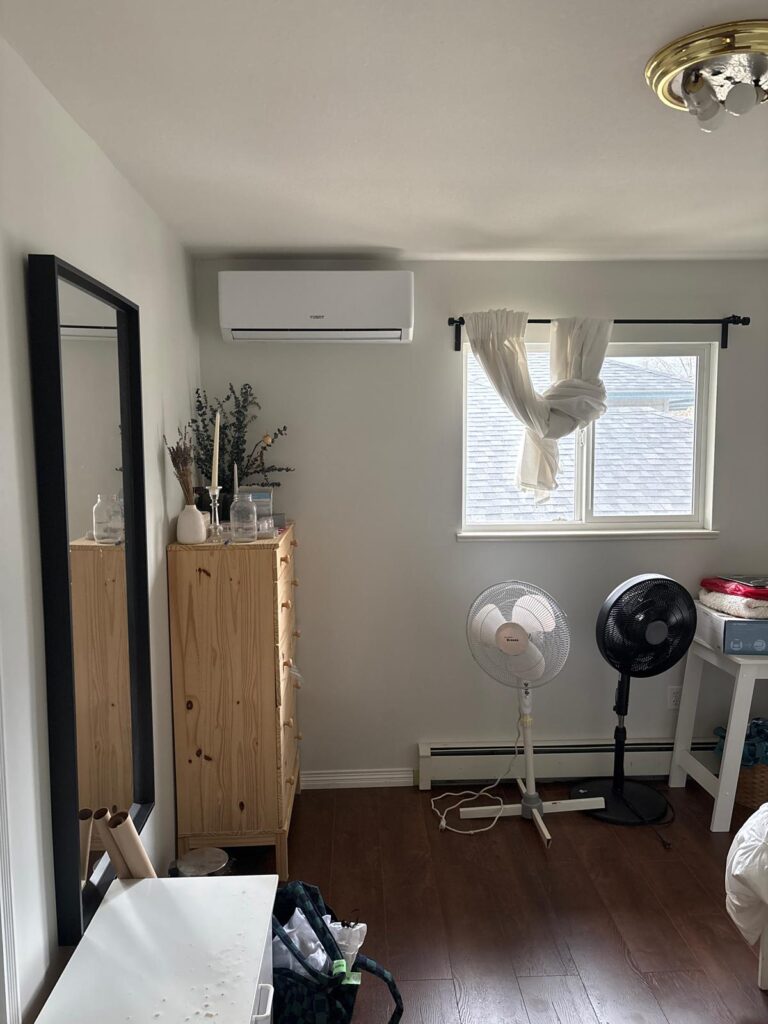
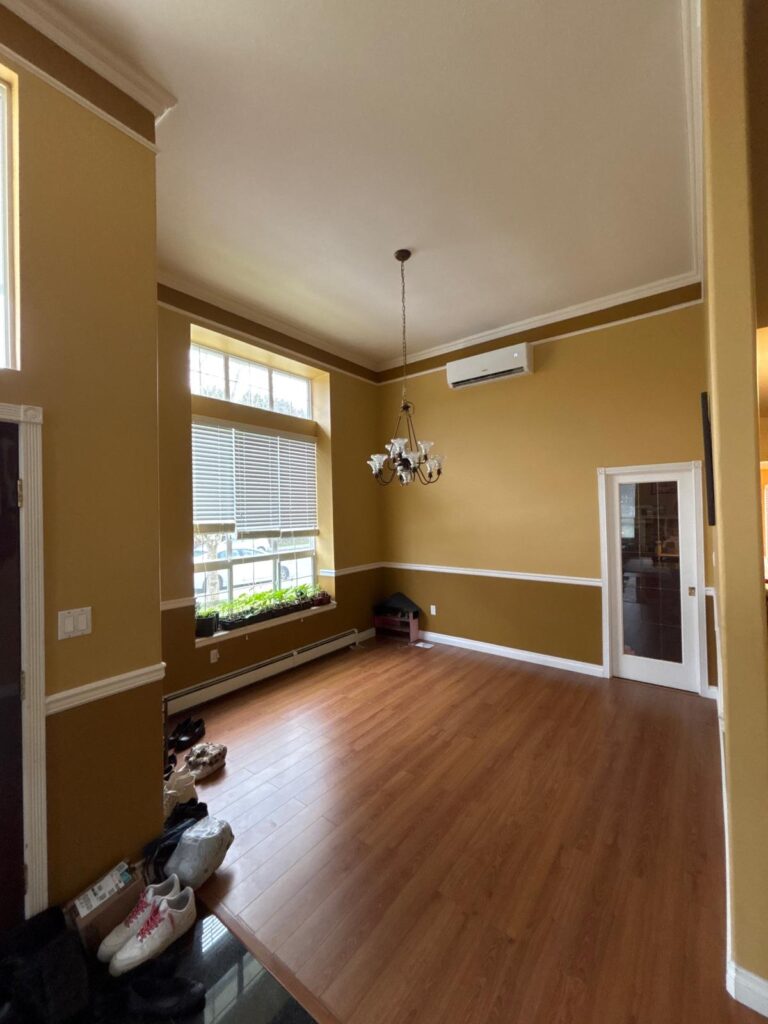
Mini-split systems (also known as ductless heat pumps) have an outdoor unit that connects to one or more indoor air handlers. They don’t need ductwork, which makes them perfect for homes that don’t already have ducts or for heating or cooling individual rooms.
Key Features of Mini Splits:
No ducting needed
Temperature control (zoned)
Indoor units (compact)
High energy saving.
Heating and cooling capacity
What Are Central Ducted Systems?
Central ducted HVAC systems use a network of ducts to deliver conditioned air from a single central unit to the entire home. They are often chosen for larger homes or properties where ductwork is already in place.
Central Ducted Key Features:
Whole home coverage
Hidden ductwork for a sleek appearance
One thermostat control system
Compatible with existing vents
Compatible with air filtration systems
Mini-Splits vs Central Ducted: The Side-by-Side Comparison
| Feature | Mini Split | Central Ducted |
|---|---|---|
| Installation Of | Easy, no ductwork needed | Ductwork Needed |
| Energy Efficiency | Very high (no duct losses) | High (ducts can lose heat) |
| Aesthetics | Wall or ceiling units visible | Hidden all along |
| Temperature Regulation | Heating/cooling zones | Whole home single temperature |
| Price | Lower for small homes, higher if multiple zones. | More economical for large ducted homes |
| Maintenance | Clean your indoor filters regularly | System maintenance & Duct cleaning |
| Perfect | Room additions, ductless homes | Ducts are already in your home whole-home comfort |
Mini-Splits vs Central Ducted: Who Comes out on Top in Vancouver’s Climate?
When choosing between Mini-Splits and Central Ducted heating and cooling systems, Vancouver homeowners have a different set of factors to consider. In Victoria, mild summers and damp winters, coupled with housing styles ranging from heritage character homes to modern high-rise condos, make energy efficiency, comfort and installation practicality key factors in the decision. Both systems have their pros and cons, and understanding how they perform in our coastal Pacific Northwest climate can help you choose the most cost-effective and comfortable solution for your home.
Energy Efficiency in the Mild Climate of Vancouver
Energy efficiency is one of the most important factors for Vancouver homeowners. In a city where the temperatures are mild most of the year, the right HVAC system can save you hundreds of dollars a year while keeping your home comfortable.
Mini-splits are highly efficient, primarily because they do away with one of the biggest energy-wasters of traditional systems: ductwork. In older forced-air systems, heat loss through the ducts can account for as much as 30 percent of total energy waste, especially when the ducts are located in unconditioned spaces such as the attic or crawlspace. Instead, Mini-Splits eliminate this problem by blowing conditioned air into each room through an indoor unit. This is particularly effective in older Vancouver homes where retrofitting insulated ductwork can be a challenge.
Central ducted systems, particularly the newer models with variable-speed heat pumps, can still be very efficient, especially in homes with well-insulated ducts in good condition. Technological advances like ECM (electronically commutated motor) blower fans and smart thermostats can help these systems modulate airflow and temperature more closely. But if your home has aging or poorly sealed duct systems, efficiency drops and you may need to pay for duct repairs or insulation upgrades to get the most from your systems.
In Vancouver, where heating is more important than cooling, both systems benefit from heat pump technology, which moves rather than creates heat. That means much lower operating costs for many households than electric baseboard heaters or older gas furnaces.
Comfort and indoor-air-quality
Comfort isn’t just about temperature, it’s about control, consistency and the quality of the air you breathe.
That’s where Mini-Splits shine in personalized comfort. Each indoor unit works independently, allowing different rooms or “zones” to be set to different temperatures. This is great for families that like it cooler and families that like it warmer. It’s also good for houses with rooms you don’t use much – why cool or heat them if you don’t have to? Mini-Splits also don’t use ducts, so there’s no chance of dust, pollen or other allergens building up in—and being blown through—the duct system. This can be a big plus for seniors, allergy sufferers and people with respiratory problems.
Central Ducted systems offer a different kind of comfort: constant temperature throughout the home. You set one thermostat and the whole house is heated or cooled to your desired temperature. This even distribution might feel more natural in houses that are fully occupied regularly. But ductwork can also circulate dust, pet dander and other particles if not cleaned regularly. Vancouver’s damp climate can also cause neglected ducts to develop mould problems, so regular maintenance is key.
What to Consider When Installing in Your Vancouver Home
Vancouver’s housing stock includes pre-war character homes, post-war bungalows, newly built condos and townhouses, each presenting different challenges and opportunities regarding an HVAC installation.
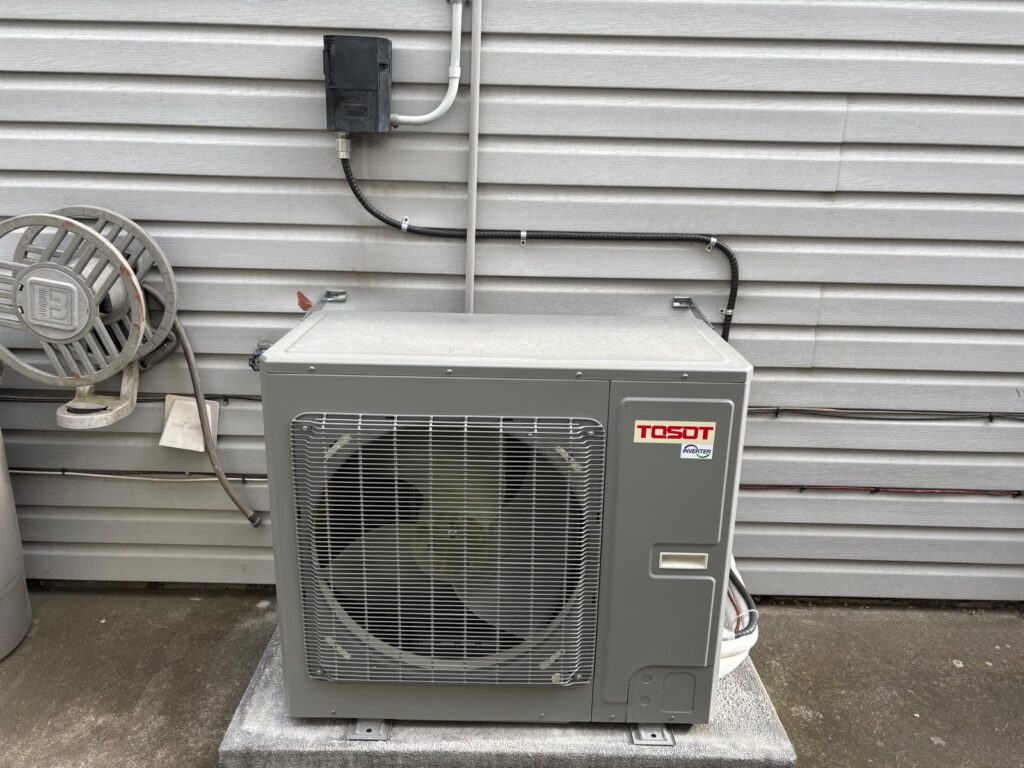
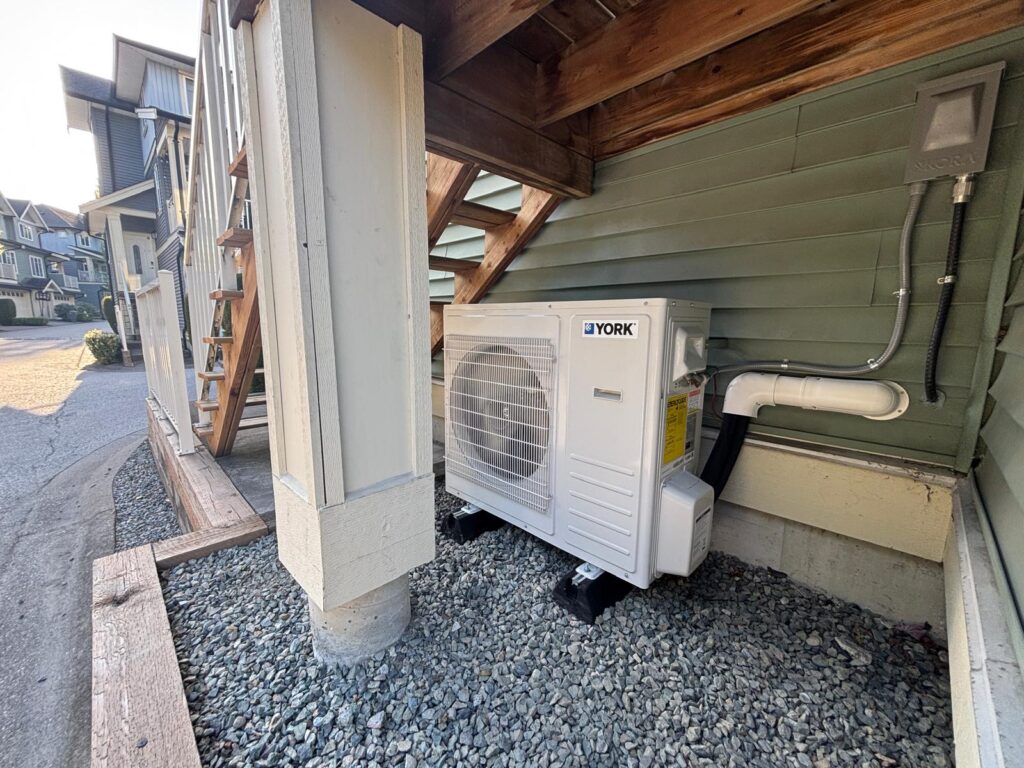
Mini-splits are popular because they are fast and non-invasive to install. They need a small hole in the wall to connect indoor and outdoor units with refrigerant lines, so there is no need for extensive renovation or ductwork construction. This means they’re perfect for:
Heritage homes – focus on preservation of original features
Condos or apartments with limited space for ductwork.
Home additions or garden suites when extending existing ductwork is not practical
The installation is normally done in one or two days, causing the least possible disruption to your home life.
Central ducted systems work best in homes with existing ductwork, often found in new or recently built single-family homes. In these cases, upgrading to a modern high-efficiency heat pump can be simple and economical. It can be very expensive and disruptive to replace the whole duct system, and it often involves a lot of construction. This may not be an option for all homeowners.
Emergency Expert Heat Pump Service Vancouver
Cost: Short-Term Investment vs. Long-Term Savings
When comparing Mini-Splits to Central Ducted systems it’s important to look beyond the sticker price and consider the full lifecycle cost including energy bills, maintenance and potential rebates.
Mini-splits are typically less expensive up front for single-zone systems, making them ideal for cooling and heating a single room or area such as a bedroom or home office. But if you want full home coverage, with multiple zones, costs add up quickly. Each zone needs its own indoor unit. The good news is that Mini-Splits often lower monthly utility bills due to their high efficiency, and the ability to only heat or cool the spaces you’re using can lead to additional savings.
Central Ducted systems are generally more expensive to install initially, especially if you need to install or upgrade ductwork. However, for larger homes that already have duct work, replacing an old furnace or air conditioner with a high-efficiency heat pump can be less expensive than installing multiple Mini-Split units. Central systems also tend to have lower maintenance costs over time, because there’s only one main air handler to service.
Care and durability
Mini-Splits: Indoor unit filters require regular cleaning and outdoor units need occasional service.
Central Ducted: Duct cleaning, filter changes and system tune ups are needed to keep this system running efficiently.
With proper care, both systems can last 15 to 20 years.
Which System Do Seniors Prefer?
Here at BCRC Heating and Cooling we work with seniors who appreciate the comfort, ease and quiet operation.
Mini-Splits: These are easy to control using a remote, are quiet, and can be set for each room. Good for seniors that spend time in specific spaces of the home.
Central Ducted: One thermostat for the entire home makes for easy control, and systems can be combined with air purification to improve the quality of air inside.
Environmental effects
Homeowners in Vancouver are becoming more eco-conscious.
Mini-Splits: No duct losses, optimal efficiency, lower greenhouse gas emissions.
Central Ducted: New high efficiency models provide great performance, but may require additional insulation upgrades to achieve ductless efficiency levels.
Which One is the Right Choice for Your Vancouver Home
Mini-Splits vs Central Ducted is a choice that depends on:
The facilities you already have in your home right now
Budget
Desired comfort level
Energy efficiency targets
BCRC Heating and Cooling provides free in-home consultations to help you compare options side-by-side.
Common Questions
Q: Can Mini-Splits heat in winter?
Yes! Modern ductless systems can efficiently heat even in the coldest months of Vancouver.
Q: Are Central Ducted systems loud?
Modern units are quiet, but mini-splits are usually even quieter because they do not have large blowers.
Q: Can I use both systems together?
Absolutely – you can use a central ducted system for main areas and Mini-Splits for additions or problem rooms.
Comfort with Efficiency
Mini-Splits Versus Central Ducted – There Is No One Size That Fits All Solution Each system has its benefits and the best option will depend on your home, comfort requirements and budget.
Your Comfort, Our Expertise
Leave the comfort of your home to the professionals and let us help you choose the right system.
Contact BCRC Heating and Cooling today for your free consultation on Mini-Splits vs Central Ducted Call us at 6047817272 to begin.
Contact BCRC Heating and Cooling today for your free consultation on Mini-Splits vs Central Ducted. Call 6047817272 to get started.


