

Boiler vs Heat Pump: What’s Best for Vancouver’s Climate
Table of Contents
Boiler vs Heat Pump: Which Heating System Is Better For Vancouver’s Climate
Your Local HVAC Experts You Can Trust By BCRC Heating and Cooling
As Vancouver’s damp winter chill begins to set in, the right heating system can make all the difference in keeping your home warm, efficient and cost-effective. Homeowners have two of the most popular options in boilers and heat pumps. But which is better for our West Coast climate?”
Here at BCRC Heating and Cooling we have walked many Vancouver homes, especially seniors, through the choice of Boiler vs Heat Pump. This guide will break down the differences, benefits and considerations so that you can make an informed choice that fits your comfort and budget. check out our professional heat pump installation Vancouver service if needed.
Please check our professional boiler installation service in Vancouver.
Boiler vs Heat Pump – Getting to Know the Basics
What is Boiler?
A boiler heats water, which is then circulated through radiators, baseboard heaters, or in-floor heating systems to provide heat. Boilers can be fueled by natural gas, propane, oil or electricity.
Pros of Boilers:
Radiant warmth, comfortably
No air movement (good for allergy sufferers)
Dependable in cold weather
Can also supply domestic hot water
Boilers Cons:
Older models are more energy intensive
No cooling capacity
Slower temperature changes
What’s a Heat Pump?
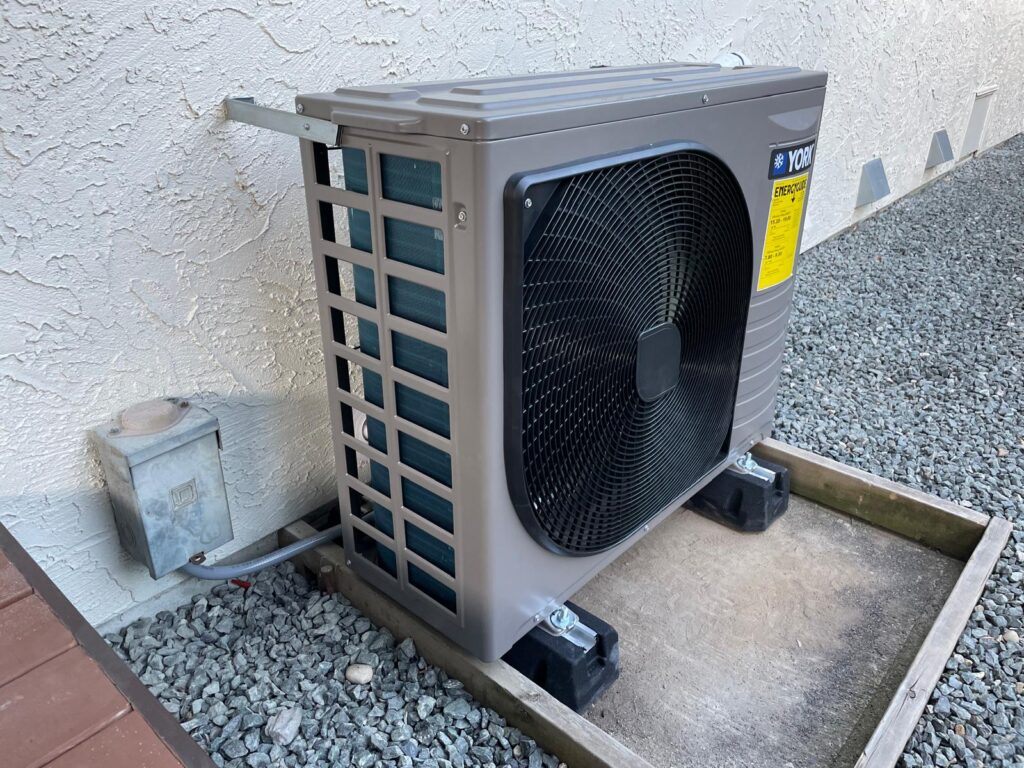
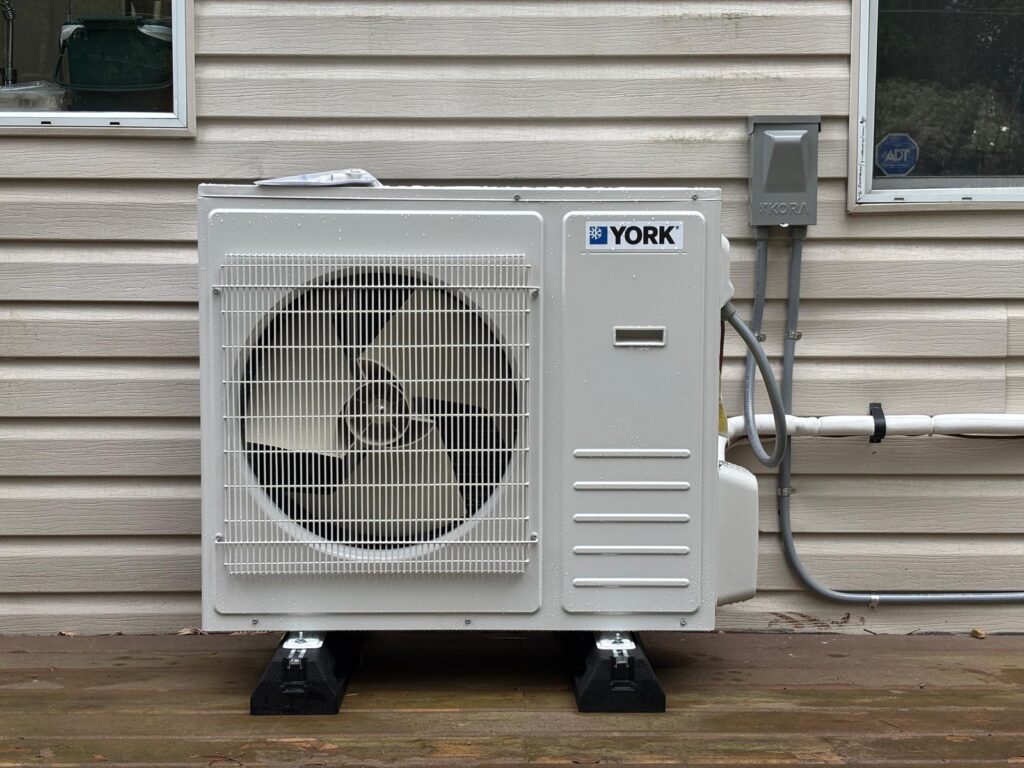
In winter, a heat pump draws heat from the outside air (or ground) and transfers it into your home; in summer, it runs in reverse to cool you down. In Vancouver, the most popular choice is air-source heat pumps due to our moderate climate.
Heat Pump Pros:
Single system heating & cooling
Very energy efficient.
Reduced operating costs
Eco-friendly
Cons of Heat Pumps
Efficiency drops in the deep freeze (not so much of a problem in Vancouver)
May need backup heating in some instances
Please check our professional heat pump installation service in Vancouver.
Boiler vs Heat Pump – Side By Side Comparison
| Feature | a boiler | Heat Pump |
|---|---|---|
| Heating Type | Radiation water heating | Air or ground heat moving transport |
| Cooling. | No. | Yes. |
| Energy Efficiency | Medium to high (modern condensing boilers are efficient.) | Very high (up to 300-400% efficiency). |
| Expenses Operating | Older model = Higher | Lower |
| Installation Price | Medium high | Medium high |
| Best Suited For | Existing hydronic homes | Homes that need both heating & cooling |
| Comfort Style | Steady, even heat | All season comfort, adjustable |
Energy Efficiency in the Mild Climate of Vancouver
One of the best things about Vancouver is that winters are mild, with temperatures usually ranging from 0°C to 8°C. In Canada, cities like Edmonton or Winnipeg are colder, and heat pumps tend to have difficulty working efficiently without a lot of backup heating. Vancouver has comparatively mild winters, and heat pumps can work at peak performance almost year-round.
Vancouver Heat Pumps
Efficiency often makes the difference between a Boiler vs Heat Pump. Heat pumps transfer heat , as opposed to generating heat . This means they can be * really * efficient . For every unit of electricity used , they can provide up to three units of heat ( COP of 3+ ) .
In Vancouver, these systems rarely face the challenge of extreme temperature differentials, resulting in less strain, lower operating costs and a longer system lifespan. Many newer models also come with variable-speed compressors that can adjust output based on demand, making them even more efficient.
Vancouver Boilers
Boilers still have a strong case in the Boiler vs Heat Pump debate, particularly when existing homes already have hydronic systems, considering that Vancouver’s climate is well suited to heat pumps.
Modern condensing boilers can be as high as 95% efficient, because they recover heat from the exhaust gases that older boilers would simply vent to the outside. When replacing an aging, less efficient model, this technology can drastically cut energy bills.
So, overall, for pure operating efficiency, a well-chosen heat pump wins out in Vancouver’s climate. But for homes that already have a hydronic system, switching to a condensing boiler may be the most cost-effective option in the Boiler vs Heat Pump decision-making.
Comfort and Air Quality: Moving Air vs. Radiant Warmth
Comparing Boiler vs Heat Pump options isn’t just about the numbers, it’s about how the heating feels. Many homeowners say comfort is a big consideration, and each system offers comfort in a different way.
Boilers — Steady warmth from radiant heat
Boilers radiate heat through radiators, baseboards or in-floor heating. Radiant heat warms objects, floors and people directly, offering even, cozy heat throughout the home without the drafts that are often associated with forced-air systems.
And since there’s no air being blown around, dust, pollen and allergens aren’t circulated. This makes boilers a favourite of seniors and those with respiratory sensitivities. Hydronic radiant floor heating is prized for its luxurious comfort, especially in bathrooms and living areas.
Air circulation with air quality benefits Heat Pumps
In the Boiler vs Heat Pump comfort comparison, heat pumps do it differently. They depend on the movement of air through ductwork or indoor wall units, which can be helpful when combined with high-quality filtration to remove dust, allergens and even airborne pathogens.
Plus, the ability to heat and cool from the same system is a big bonus, especially with the increasing number of summer heatwaves Vancouver is experiencing. Heat pumps change temperature quicker, so homeowners can adjust comfort levels quicker than radiant systems.
If you like quiet, steady, draft-free heat, a boiler will be hard to beat in the end. Boiler vs Heat Pump Your comfort priorities will help you in the Boiler vs Heat Pump decision. A heat pump has the advantage if year-round temperature control and improved indoor air quality are priorities.
Installation Considerations
Switching from one heating system to another can be a major project — or a simple upgrade — depending on your existing set-up. The cost, complexity and space needed will differ when installing a boiler or a heat pump.
Installation of Boiler
Best for homes with radiators or underfloor hydronic piping, boiler installation can be a simple process when replacing an old unit with a modern condensing boiler. Homes without existing hydronic systems can face substantially higher installation costs because they’ll need new piping, plus radiators or in-floor heating loops.
Installing a Heat Pump
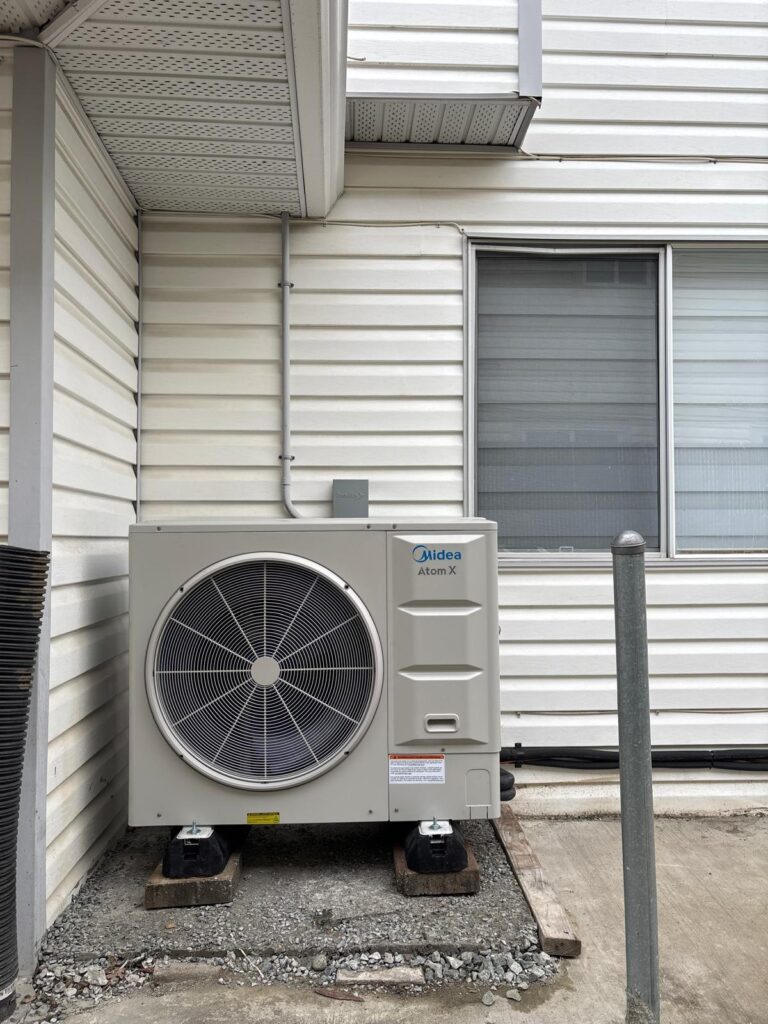
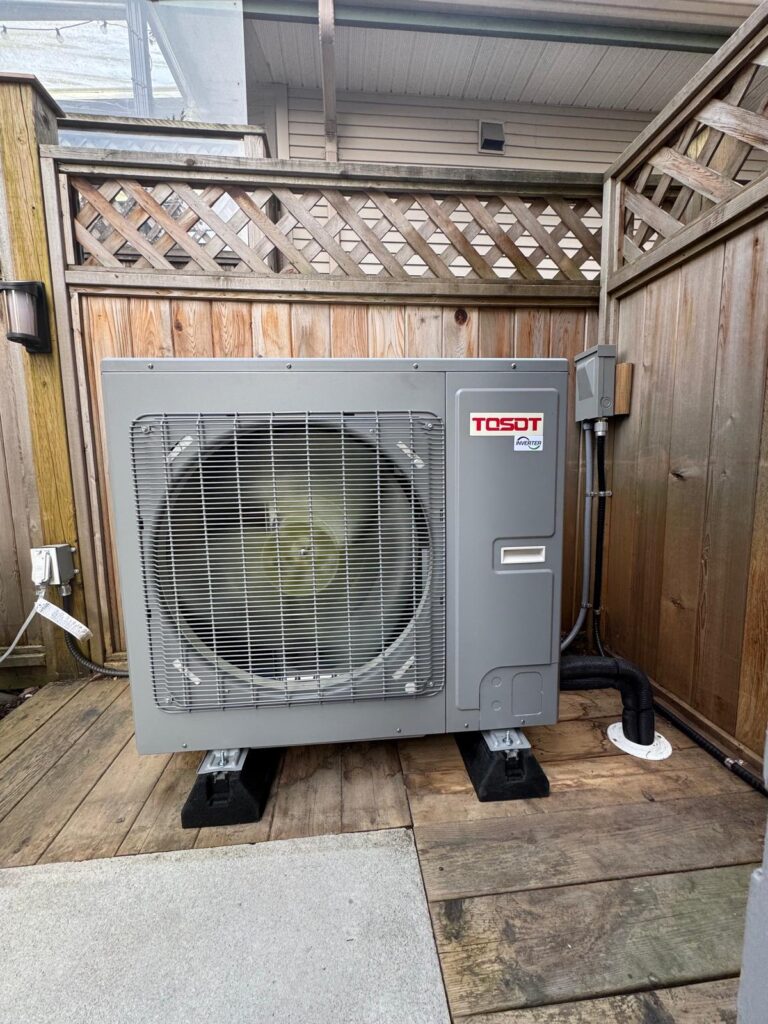
In the case of a home that needs heating and cooling or is being renovated, comparison of Boiler and Heat Pump often results in the choice of heat pump installation. Heat pumps can be installed as ducted systems that use your existing forced-air ducts, or as ductless mini-split systems, which are great for homes without ducts.
Ductless systems are installed by attaching one or more indoor units to a wall or ceiling and connecting them to an outdoor compressor. In older Vancouver homes where space is limited, ductless heat pumps can eliminate the cost and complexity of adding ductwork — and this is often the deciding factor in the Boiler vs Heat Pump question.
At BCRC Heating and Cooling, every project begins with a thorough assessment of the home, considering square footage, insulation, existing systems, available space, and long-term energy goals. This means that whichever you choose – a boiler or a heat pump – your system will be efficient, economical and well matched to your home.n, existing systems, available space, and long-term energy goals. This ensures that whether you choose a boiler or a heat pump, your system will be efficient, cost-effective, and perfectly suited to your home.
Emergency Expert Heat Pump Service Vancouver
Maintenance Needs and Lifespan
Proper maintenance is necessary to guarantee that boilers and heat pumps are operating safely and efficiently.
Boiler Maintenance:
Annual servicing is required to ensure that the appliance is free of leaks, burning safely and efficiently.
This means checking the heat exchanger, venting system and safety controls, and flushing the system if necessary to remove scale or sediment.
A well-maintained boiler can last 15 to 20 years, and hydronic piping can last decades longer.
Heat Pump Service:
Requires periodic maintenance including cleaning or replacing air filters, checking refrigerant levels, inspecting coils and ensuring drainage systems are clear
Heat pumps operate throughout the year, for both heating and cooling, and so they can suffer more wear and tear than a boiler that only operates during the heating season.
Most heat pumps will last about 15 years with good care, although some premium models can last up to 20 years in Vancouver’s mild climate.
Environmental impact: footprint & sustainability
The Boiler vs Heat Pump discussion takes another dimension regarding eco-friendliness.
Low Carbon Heating and Heat Pumps:
Heat pumps move heat, not make it, so they produce much less greenhouse gas emissions – especially when powered by BC Hydro’s renewable electricity grid.
This makes them one of the most sustainable heating options out there, with the ability to cut a home’s carbon footprint by much more than any other type of heating.
Boilers and Modern Efficiency Improvements:
Older boilers, particularly oil-fired boilers, can be significant sources of carbon.
Modern condensing boilers are much cleaner and more efficient, especially when coupled with renewable energy sources such as solar thermal systems.
Where a hydronic system is already installed, switching to a high-efficiency boiler can still deliver significant carbon reductions, without the cost and disruption of moving to a heat pump.
Which Is Better for Older Adults?
When advising seniors on Boiler vs Heat Pump, we take into account:
User-friendly – Boilers usually have a basic control panel, whereas heat pumps have programmable thermostats.
Noise level – Boilers are usually very quiet inside, and although modern heat pumps are also quiet, they have an outdoor fan.
Comfort all year long – Heat pumps can heat and cool, which may be helpful for seniors who are sensitive to summer heat.
Boiler vs Heat Pump – Our Choice
Choose a Boiler if: You have an existing hydronic heating system, you like the radiant comfort, and you don’t need cooling.
Choose a Heat Pump if: You want both heating and cooling You want to be energy efficient You want to take advantage of rebates
A lot of Vancouver homes find that a heat pump + boiler hybrid solution is the best of both worlds.
Common Questions
Q: Can I use a heat pump instead of a boiler at my home?
Yes but it may require changes to your distribution system unless you put in a high temp hydronic heat pump.
Q: Is a boiler electric?
Only if it’s a gas boiler with a standing pilot light or plugged into a back-up power source.
Q: Are heat pumps loud?
Modern units are very quiet, especially compared to older AC units.
Your Choice, Your Comfort
When choosing between Boiler vs Heat Pump, take into account your home’s existing infrastructure, your comfort preferences, and your long-term energy goals. Both systems have their pros and cons, but the best choice is the one that meets your specific needs.
Let’s Find The Right Heating Solution For You.
Find the right system for your home and keep comfortable all year round. Call BCRC Heating and Cooling today for your free in-home consultation on Boiler vs Heat Pump solutions in Vancouver. To book your appointment, please call (604) 781-7272 or visit bcrcheating.com.s in Vancouver. Call (604) 781-7272 or visit bcrcheating.com to schedule your appointment.