



How Much Does A New Furnace Cost in Vancouver?
Table of Contents
How much does a new furnace cost?
A furnace is an important part of any home since it supplies heat that keeps your living space warm especially in areas that experience harsh cold winters. To ensure your comfort and safety, you need to keep your furnace running efficiently. The average cost to install a new furnace is around $4,700. The figure can vary considerably, however, from $2,800 to $6,800. There are a number of factors that influence this price and as such the final amount will be different based on a number of factors specific to the homeowner’s situation.
What is a Furnace?
A furnace is a central heating system that uses a system of ducts to distribute and carry heated air around a home. Hot air is blown around and then comes out of vents or radiators to heat different rooms. Furnaces are typically found in utility rooms like basements, attics, or storage rooms. Proper maintenance of a furnace can provide you with a warm and comfortable home environment for more than ten years.
check our furnace installation service in vancouver.
The Typical Cost of Installing a Furnace in Vancouver
The average cost of a furnace replacement in Vancouver is $4,700, but it could cost more or less depending on a number of factors, such as your location, the size of your house, and if you have a home warranty. There are a few factors that will affect the price in total like the type, size and efficiency of the furnace.
What Affects the Cost of a Furnace in Vancouver
Calculating the final Furnace Cost in Vancouver is a complex task that requires several considerations. These include the type of furnace, its capacity, brand and the complexity of the installation.

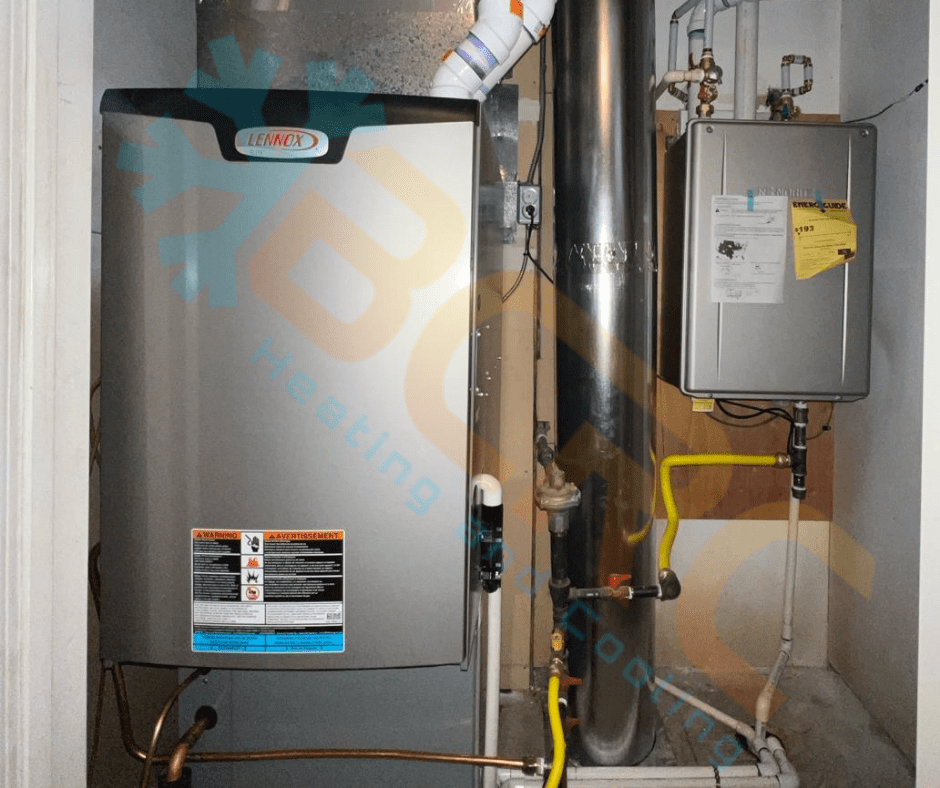
Why Choose BCRC for Furnace installation and Furnace Repair
Furnace types
Power works in a similar way but is different to furnaces . Furnaces are generally classified into three types, based on the fuel they use: electric, natural gas and oil.
Electric Furnace
Cost to Install Electric Furnace Electric furnace installation costs range from $1,800 to $7,300, including the appliance. Air for this furnace is heated by heating coils and then forced through ducts. In areas with mild winter climates, electric furnaces rated in kilowatts are believed to be very efficient. But they use a lot of electricity which could bump up Vancouver energy furnace costs.
Furnaces using Natural Gas
In Vancouver, the cost of a natural gas furnace can range from $2,800 to $9,500, depending on the model and efficiency rating. High-efficiency versions cost more, but save money in the long run with lower utility costs. Natural gas heaters give off a stronger and warmer heat than other types of furnace which makes them perfect for places with harsh winters.
Oil Firing
Most of the oil furnaces are in the northeast, where winters are notoriously harsh. But oil is more expensive than natural gas, and less efficient. The cost to install an oil furnace can range from $4,500 to more than $8,000. Vancouver Oil Furnace Maintenance Cost Oil furnaces are also likely to be costly as they require regular maintenance and filter changes. These disadvantages notwithstanding, oil furnaces have a decreased chance of carbon monoxide leaks or explosions than do gas alternatives. Plus oil furnaces can last up to ten times longer than gas furnaces, with the proper maintenance.
Cost and Size of Furnace
Furnace and air conditioning systems are measured in British thermal units ( BTUs ) . The BTUs you need for your furnace will depend on the square footage of your house. As a general rule, take the square footage and multiply it by 40 to get the BTUs you’ll need. For example, a 2,000 square foot home would need an 80,000 BTU furnace. Homes in colder climates may require a higher BTU rating.
Average Cost of a 40,000 – 60,000 BTU Furnace in Vancouver $2,000 – $3,000 Larger homes, those over 3,500 square feet, could require a furnace closer to $7,000. Also, if the house has high ceilings or is drafty, it might need a more powerful furnace to properly heat the area.
Furnace Energy Efficiency
Energy efficiency is one of the most important factors when selecting a furnace. High-efficiency furnaces may cost more to purchase initially, but they can save you money over the long term through reduced energy bills. Efficient furnaces reduce your home’s carbon footprint and monthly utility bills. When looking at potential savings, try to determine the increased efficiency % of your new furnace. For example, if your new furnace is 25% more efficient than your current furnace, multiply the percentage of energy savings from your current bill by 25%.
Furnace Brands and Prices
There are many different manufacturers of furnaces and the price you will pay depends on whatever brand you decide upon. Your choice of brand will depend on the type of furnace you need and what is available locally in your market. As with other appliances, the more expensive brands may cost more, but the cheaper options can help you save money on the installation of your new furnace.
Installation or Replacement
Whether you are putting in a brand-new system or replacing an old one makes a big difference in furnace cost. If you are simply replacing an old furnace with a new one of the same type (oil furnace for oil furnace, for example) you can probably save a little money as installation won’t be as involved. For Vancouver, furnace costs are cheaper on both labour and materials because the infrastructure, such as ductwork, is already there.
However, if you are switching from one fuel type to another (for example, from oil to natural gas), the cost may be higher as more work would be required to adjust the setup. Similarly, moving a furnace to another part of the house will cost more, particularly if significant ducting or vent changes are needed. The cost of furnace installation for HVAC systems in Vancouver can be between $10 and $20 per linear foot.
Furnace Installation Labour Cost
Labour costs are usually included in the cost of replacing a furnace. A typical installation takes four to eight hours. HVAC installers charge about $75 to $150 per hour. When you get quotes from contractors ask them to explain in detail the materials, labour and permit costs involved in installing a furnace in Vancouver.
Home Warranty Protection
Sometimes a house warranty will pay for furnace replacement or repairs. Read the fine print on your warranty. Know what’s covered. If you have insurance on your furnace, you can file a claim and a specialist will come and inspect the unit. Depending on the technician’s evaluation, your warranty provider may authorize a full replacement or pay for the Vancouver furnace repair cost.

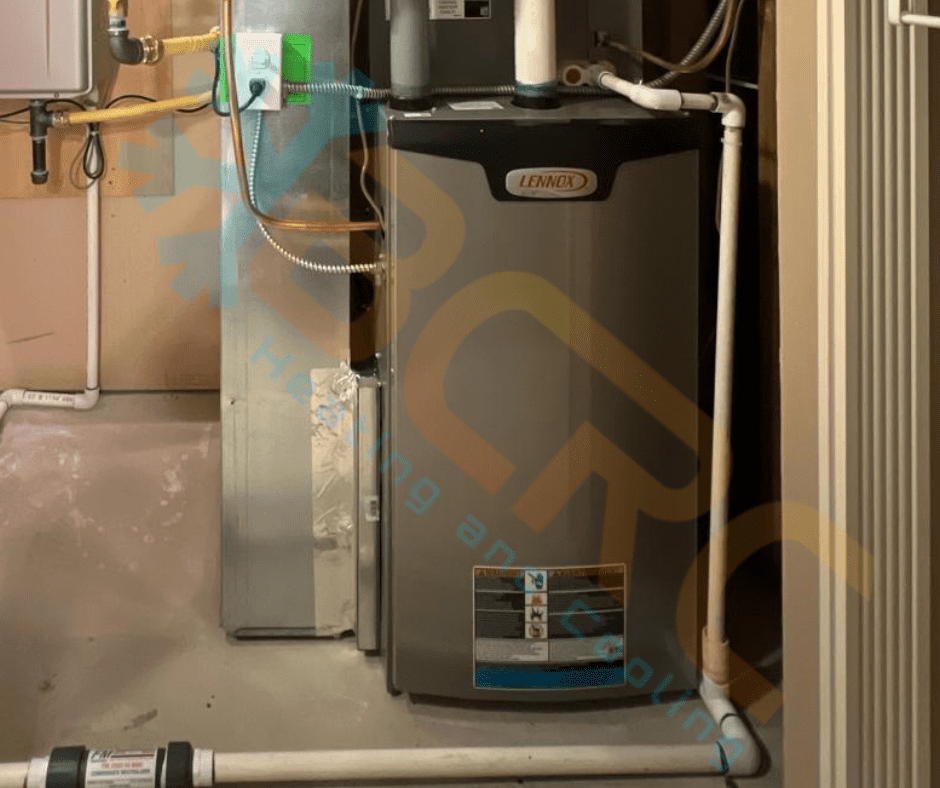
Indicators You Should Get a New Furnace
Knowing when to replace your furnace is key to keeping your home comfortable and energy efficient. There are a few signs that it is time to upgrade, including:
- Age: The average lifespan of a furnace is 15-20 years. If your furnace is on its last legs, it may be a better investment to replace than to keep repairing.
- Constant Repairs: Having to constantly maintain your furnace could end up costing more in repairs than the advantages of simply installing a new system.
- Expensive Energy Bills: If your utility bills are skyrocketing, it could be time to have your furnace checked to make sure it’s not running less efficiently.
- Uneven Heating If some rooms in your house are too hot and others are too cold, your furnace may have an uneven heat distribution problem.
- Unusual Noises: Banging or rattling noises coming from the furnace could indicate mechanical problems. If the problem continues, you may want to try replacing it.
Additional Costs with New Furnace Installed
The overall Furnace Cost in Vancouver can also be affected by other expenses, apart from the furnace itself.
Permits: Installing or replacing a furnace usually requires permits, and contractors will often include this in their quote. “Before you start the project, always find out what the cost and process is for getting permits.
Old Furnace Removal If you’re replacing an existing furnace, you may also see a separate line on your bill for the cost of removing and disposing of the old unit. Furnace Cost in Vancouver: The average cost to remove junk is approximately $225.
Furnace Relocation: Moving the furnace to another part of the home will require more labour and materials, including more duct work. Planning to move your furnace? Be sure to include these costs in your budget.
Average furnace repair
Furnace repairs may cost anywhere from $100 to $1,200, depending on the problem and the part that needs replacing. The most common repairs involve replacing parts such as the blower motor, igniter or thermostat.
Repair or Replace
Furnace repairs cost much less than buying a new one, but if you are always repairing an old furnace, it may not be worth it in the long run. If your furnace is getting older and requiring increasing repairs, it may be time to invest in a replacement.
DIY or Professional Installation of Your Furnace
It may be tempting to install your own furnace to save some money but this is not recommended. Furnaces are complicated systems and improper installation can lead to safety hazards, inefficiency, and expensive repairs down the road. A professional installer guarantees that safety requirements are met, brings in their special knowledge and gives valuable advice on energy saving options.
To wrap up, while a new furnace installation may be a costly investment, with proper planning and consideration of factors like efficiency, size and installation Furnace Cost in Vancouver, you can choose a system that fits your budget and meets your home’s heating needs.
The cost to install a gas furnace is $2,900 to $6,400 with an average cost of $3,900 that includes the cost of labour, materials and new equipment. The exact cost of installing a new gas furnace in Vancouver will depend on a number of factors, including the furnace design, the size and layout of your house, and the condition of the ductwork and insulation currently installed.
This is the energy source that gas furnaces use to heat homes all winter long . This is how we comfortably cool our homes . At BCRC Heating, we carry a wide range of products from reputable gas furnace brands for new installs or replacing old furnaces.
Energy Savings with High Efficiency Space Heaters
The design of new gas furnaces is to heat as efficiently as possible. Plus, it has never been easier or cheaper for homeowners to purchase a high-efficiency gas furnace and replace their old one.
Understanding AFUE Ratings
AFUE, or Annualized Fuel Utilization Efficiency, is a measurement of what percentage of the natural gas that enters your furnace is successfully converted to useful heat. Today’s minimum standard fuel efficiency for a gas furnace is 80 percent AFUE; an AFUE of 95 percent or above is considered excellent efficiency. Gas furnaces have become a lot more energy efficient over the past few decades.
The AFUE rating is how the efficiency of various gas furnaces is measured. In contrast, homes 10 years ago were often heated by medium-efficiency gas furnaces with AFUE ratings below 80%..

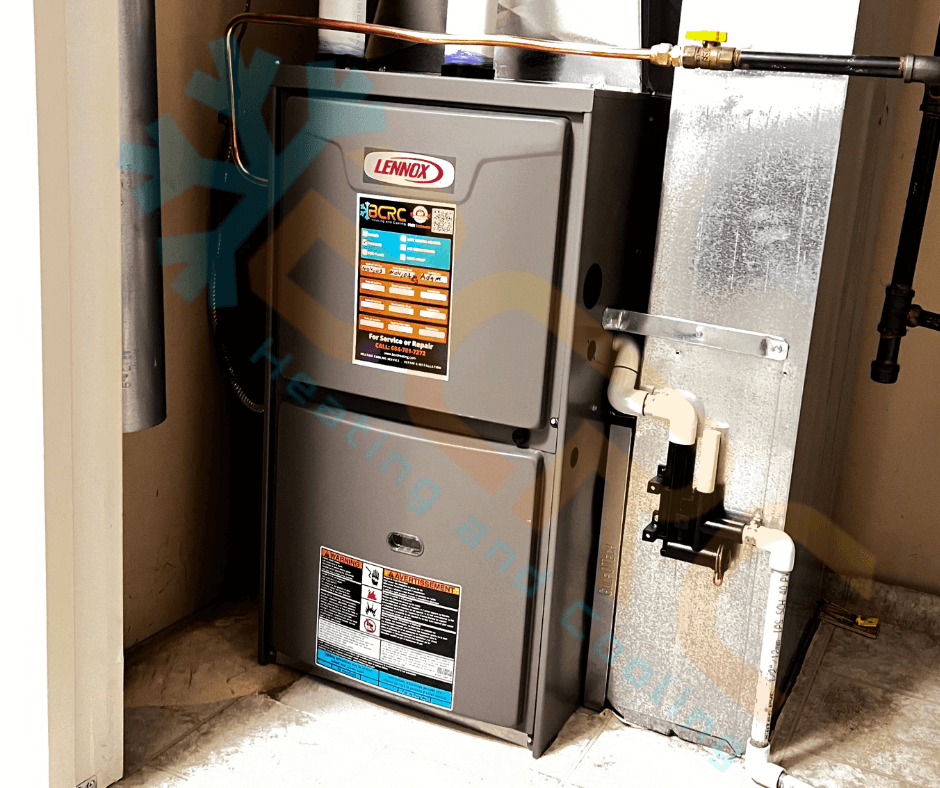
How Can High-Efficiency Gas Furnaces Save You Money?
For example, a great furnace with an AFUE rating over 95% will save you money on your energy bills even though it costs more up front. Why? Because it takes less fuel than a less efficient one to heat your house. In other words, a high efficiency furnace requires less work to get the same results. “Less labour means less energy which can help households save money.
Improve Energy Efficiency by Upgrading HVAC System
Think about how you can make your furnace even more energy efficient. Ask your installer about programmable and smart thermostat options for best control over energy use and temperature schedule in your home. Or, if you notice big temperature swings from room to room across the levels of your home, talk with your installer about upgrading to a zoned system for more precise control over heat distribution and more consistent comfort.
Why Reliability Matters When Purchasing an Energy Efficient Gas Furnace?
No one wants to be left with a broken furnace in the middle of winter, of course. But reliability is more than just having a system that works for a long period of time without breaking down.
In short, a dependable gas furnace is one which reliably and efficiently heats your home to the correct temperature. It works how it needs to. Whenever you need it to. With regular annual maintenance visits, a reliable gas furnace should be able to meet the heating needs of homeowners for many years to come.
The most reliable gas furnace brands offer high-efficiency systems that incorporate:
- High efficiency (AFUE ratings of 95 percent or more)
- DC powered blower motor, quiet variable speed
- A heat exchanger that will not fail in the first few years of your furnace’s life. Limited lifetime warranty on the heat exchanger with most major brands
- Heat in several stages to prevent your home from wasting energy or having drastic temperature swings as the gas furnace fires up and cools down
Which Are the Best Gas Furnace Companies?
BCRC Heating’s certified installers carry the most reputable and highest quality brands of gas furnaces, including energy efficient models from Trane, Comfortmaker and Ameristar. All these brands have premium AFUE ratings of 95% and higher and come with additional features, such as multiple heating settings, low noise, smart home compatibility, and variable speed blower motors. Optional extended warranty packages cover parts and labour for up to 10 years and will help you worry less about mid-winter breakdowns and protect your investment. You can also purchase annual maintenance plans to ensure your furnace is working efficiently.
What is the meaning of BTU?
BTU stands for British Thermal Unit, which is a unit of thermal energy output. One BTU is needed to heat one pound of water one degree Fahrenheit at sea level.
AFUE relates to efficiency, while BTU relates to the overall heating capacity and output of a gas furnace. The number of BTUs you need depends on the square footage and layout of the space you want to heat and the condition of your home’s insulation and/or ductwork. Most gas furnaces are rated from 40,000 to 120,000 BTUs in output.
Other home-specific factors–like ceiling height, amount of sunlight or shade, and number of people living there–need to be factored in as well to help figure out what size and capacity of gas furnace is right for you.
Adding a Gas Furnace When No Ductwork Exists
In most cases, gas furnace installations and replacements are done in homes that already have ductwork. This is a much easier job than just replacing the old gas furnace and then having to alter the ducting to accommodate the new system.
But installing central air in a home involves creating a whole system of air ducts and vents in a finished space, usually through walls, floors, ceilings, and attic spaces. This makes it a lot more labour intensive to retrofit a home for central air.
Done right, an experienced HVAC installer knows how to do this with the least amount of disruption. Sometimes, for example, it is possible to run ducts through closets, crawlspaces and attics, without tearing down walls.
During your free in-home consultation a BCRC Heating Installer can determine whether you need to add new ducts and where they should go and will give you a detailed Vancouver Furnace Cost estimate for the work.

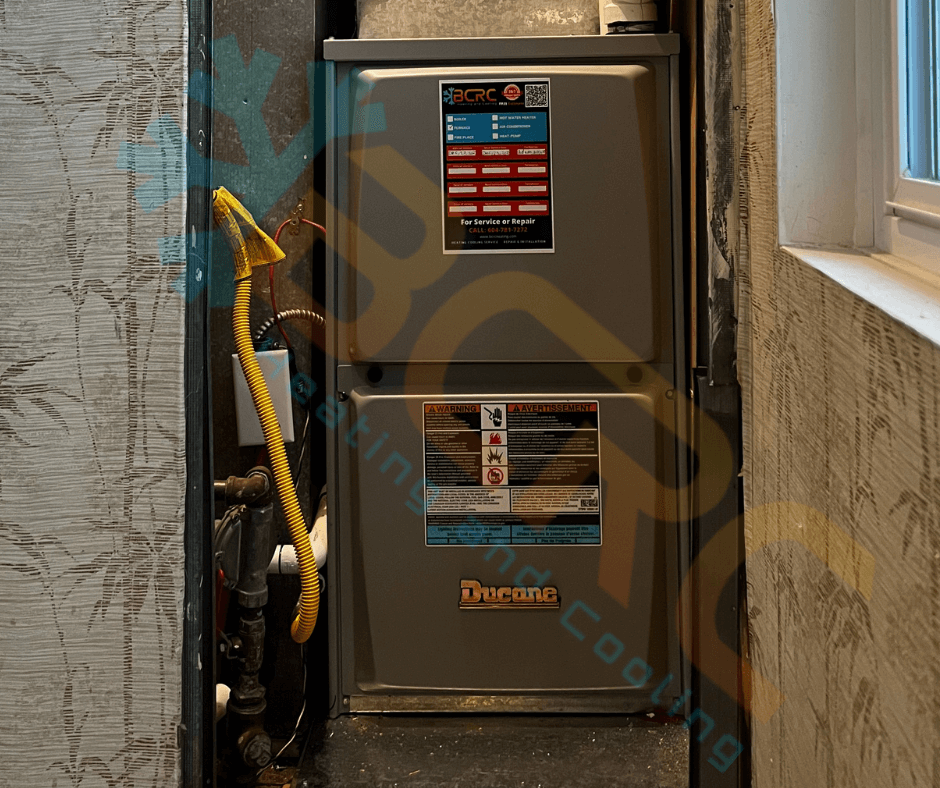
Chart Detailing Furnace Sizes and Corresponding House Sizes Useful for Furnace Installation and Furnace Repair Needs
| House Size (Square Feet) | Furnace Size (BTUs) | Furnace Efficiency |
|---|---|---|
| Less than 1,000 | 40,000 - 60,000 | High Efficiency (90%+) |
| 1,000 - 1,500 | 60,000 - 80,000 | High Efficiency (90%+) |
| 1,500 - 2,000 | 80,000 - 100,000 | High Efficiency (90%+) |
| 2,000 - 2,500 | 100,000 - 120,000 | High Efficiency (90%+) |
| 2,500 - 3,000 | 120,000 - 140,000 | High Efficiency (90%+) |
| Larger than 3,000 | Consult HVAC Professional | High Efficiency (90%+) |
Please note that these are rough estimates and it’s essential to consult with a heating, ventilation, and air conditioning (HVAC) professional to determine the appropriate furnace size for your specific needs. Additionally, the efficiency rating of the furnace (measured as Annual Fuel Utilization Efficiency or AFUE) is crucial for energy savings and environmental impact. High-efficiency furnaces generally have AFUE ratings of 90% or higher, meaning they convert at least 90% of the fuel into heat for your home. So let us give you the best expert furnace installation and furnace repair services.
One of the most crucial factors to consider for both furnace repair and furnace installation is safety. Safety during Installation: When installing a furnace, it's vital to ensure that it's done correctly and according to local building codes. Improper installation can lead to gas leaks, carbon monoxide poisoning, or fire hazards. Therefore, hiring a qualified HVAC professional with experience in furnace installation is essential. They will ensure that the furnace is installed properly, vented correctly, and meets all safety regulations. Safety during Repair: Furnace repair involves working with complex systems that include electrical components, gas lines, and combustion chambers. Attempting to repair a furnace without the necessary knowledge and expertise can be dangerous. There's a risk of electric shock, gas leaks, or carbon monoxide exposure. Therefore, it's crucial to hire a licensed HVAC technician for furnace repairs. They have the expertise to diagnose issues safely and make repairs according to safety standards.


10 Factors That Impact Gas Furnace Prices:
Furnace Type
Your An BCRC Heating Installer will help you decide which specifications (such as AFUE, heat stages, and blower motor speeds) are best for your new gas furnace.
Sizing a Gas Furnace
Gas furnaces come in all sizes, with output ratings most commonly ranging from 40,000 to 120,000 BTUs. A BCRC Heating Installer will evaluate homeowner needs to properly size the system.
AFUE (Annual Fuel Utilization Efficiency) Rating
The most efficient Gas Furnaces cost more up front but may save on energy bills over time by using less energy. Standard AFUE (Annualized Fuel Utilization Efficiency) ratings are 90 per cent and higher is high efficiency.
Trade Name
BCRC Heating has a wide range of leading gas furnace brands including Trane®, Ameristar®, GE and Comfortmaker® to fit your needs and budget.
Work Needed
There are unique factors to your home, such as the location of the unit and general state of repair, that could affect the overall Furnace Cost in Vancouver.
ducting
Most gas furnace installations only require minor modifications to ductwork to accommodate the new equipment but the Installer will evaluate your ductwork to determine if additional repair or replacement work is needed.
New Air Inlet/Exhaust Piping
Older gas furnaces vented to a chimney but high efficiency units have their own intake/exhaust assembly, plastic piping that runs directly from the unit to the outside of the home. This can include disconnecting the old chimney from the existing furnace, and sealing it to prevent heat loss, if you are replacing a furnace.
System Improvements
The Installer may also suggest adding equipment like a smart thermostat or HVAC zoning system to more accurately control temperatures and improve energy efficiency and performance of your new gas furnace.
Where You Stand
Gas Furnace Prices may vary from region to region based on local material and distribution Cost of Furnace in Vancouver and distance to travel for the Installer.
*Warranty
Gas furnaces are included in the standard coverage, with extended warranties available at an extra cost: 10 years for parts and labour.

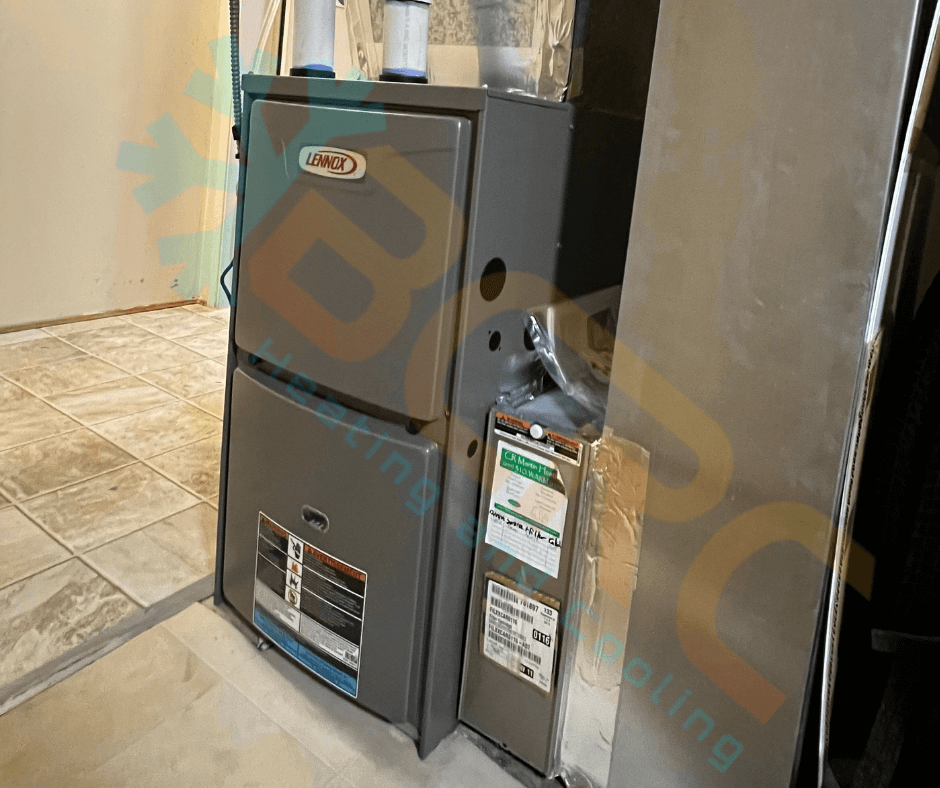
Electric Furnaces ($1,600 – $6,900)
Electric furnaces generate heat by passing electric current through wire coils. A fan or blower blows warm air over the coils as they heat up . The warm air is carried through the house by the duct system . This has made electric furnaces cost competitive ranging from $1,600 and up to $6,900 for installation depending on size and complexity of the system. These furnaces are energy efficient but they tend to need a lot of electricity and it may take longer to heat a whole house.
So the homes that would benefit most from them would be those in mild to moderately cold climates. Electric furnaces do heat more slowly but in Vancouver, when maintenance costs are considered, they tend to be cheaper than gas-powered furnaces. But they might be more expensive to run, especially where electricity costs more, because they only run on electricity. The good news is they are a sturdy option for homeowners with a 15-30 year life expectancy.
Benefits:
- Energy efficient Very
- Work quietly and help maintain a quiet home environment
- No combustion process (reducing indoor air pollution)
Cons:
- Heats large areas slower
- May have high utility bills during heavy use periods
- High operating costs especially in high cost electricity regions
Natural Gas Furnaces ($3,800 – $10,000)
Natural gas furnaces are one of the most popular heating choices in the United States. These systems usually need an installation budget of $3,800 to $10,000, versus their electric counterparts. But they are a more cost-effective option in the long run in homes that already have gas lines because they use less fuel.
Natural gas furnaces are very versatile and can be used in any climate. In cold weather they are superior to electric ones, heating faster and more reliably. Their installation costs are higher but their operating costs are often lower. This is largely a function of the furnace efficiency and the local utility rates.
It is a good investment to purchase a natural gas furnace that has a typical lifespan of 15 to 20 years, especially if you upgrade to a high efficiency type. In addition to the long term savings on Vancouver furnaces, these new units can save more energy. Natural gas furnaces are a popular choice in many climates because they balance affordability, efficiency and heating capability, but are especially preferred in colder regions. Regular maintenance and safety checks are important to ensure safe and effective operation, especially given the potential for gas leaks or other safety issues.
Benefits:
- Faster and stronger heats, perfect for cold areas
- Available in high efficiency, up to 98% AFUE (Annual Fuel Utilization Efficiency)
- Lower operating costs than electric furnaces
Cons:
- Higher initial setup Cost of Furnace in Vancouver
- It needs regular servicing to keep it operating safely
- Potential safety concerns with gas leaks and combustion
Propane Furnaces ($3,000 to $6,000)
Where gas heating isn’t an option, propane furnaces are a great alternative to municipal gas hookups. The Furnace Cost in Vancouver of installing a gas furnace can range from $3,000 to $6,000 The Furnace Cost in Vancouver of installing a propane tank can range from $700 to $8,150 for an above ground or underground tank. Like natural gas models, propane furnaces offer similar heating performance and efficiency, and they can heat homes in temperatures from mild to extremely cold.
The problems with heating your home with propane are the possibility of fuel price changes and the constant Furnace Cost in Vancouver to refill your propane tank. These factors can lead to higher operating costs in the long run. However, upgrading an older gas furnace to a high-efficiency model can reduce costs and improve energy efficiency.
If you don’t have access to the natural gas lines at your home, a propane furnace is a viable option. However, it is important that homeowners consider the long-term propane Furnace Cost in Vancouver before making any decisions. Generally speaking, a propane furnace lasts 15-20 years.
Benefits:
- Heating efficiency and performance like natural gas furnaces
- There are high-efficiency models, just like the natural gas options.
- Suitable for areas without natural gas mains
Cons:
- Needs regular fuel deliveries and propane tank
- Higher fuel costs versus natural gas
- Extra installation charges for propane tanks
Oil Furnace ($6,750 – $10,000)
Once a popular heating choice, oil furnaces are starting to become less common because of their lower efficiency than other heating options and the rising price of oil. These furnaces are more common in older homes in the northeastern United States, where the winters are harsher. Oil furnaces can generate large heats but these are less efficient as a lot of the energy is lost through exhaust gases, which produces soot. Oil furnaces are less common but are still an option for homes in areas without access to natural gas or propane. That’s because they waste energy.
The cost to install an oil furnace ranges from $6,750 to $10,000 depending on the installation and system type. Vancouver could reduce the environmental toll and long-term costs of its furnaces by retrofitting some models to burn biodiesel or other renewable fuels. Oil furnaces generally last fifteen years but there are some downsides such as higher operating costs in Vancouver that can be mitigated by replacing an older system with a newer, more efficient one.
Oil furnaces can be great for homes in very cold climates, but the fluctuating oil prices, the need to refill the tank regularly, and the maintenance of the tank all add up to make oil furnaces less cost-effective than other fuel types.
Benefits:
- Works in areas where natural gas and propane are not available
- High heat output, particularly suited for houses in very cold climates
- Can be retrofitted to use renewable fuel sources such as biodiesel
Cons:
- Higher operating costs from oil price volatility
- Increased emissions and large soot production
- Needs an oil storage tank on site
Energy Efficiency (AFUE Ratings)
One of the most important things to consider when choosing a furnace is the Annual Fuel Utilization Efficiency (AFUE) rating. The AFUE rating tells you how much of the fuel the furnace consumes is turned into useful heat energy. An AFUE rating of 100% means that 100% of the fuel is used to heat; there’s no waste. Some of the most efficient systems on the market are electric furnaces with AFUE ratings of 95% to 100%. But systems that burn fuel – such as oil, natural gas or propane – are necessarily less efficient because they have to vent exhaust gases, including carbon monoxide, to prevent dangerous indoor air pollution.
Older furnaces that are less efficient, with AFUE ratings as low as 56 percent, waste considerable heat and cost more to operate. In response, the U.S. Department of Energy has required that all new furnaces have an AFUE rating of at least 80%. However, more efficient models are now available that can obtain ratings as high as 90% and some natural gas units can reach 98.5%. The ENERGY STAR label, a mark recognizing furnaces that meet rigorous performance standards, is an important tool in evaluating the performance of different furnaces.
High efficiency furnaces have sealed combustion chambers that reduce heat loss. Some of these furnaces also have a secondary heat exchanger that captures heat from the exhaust gases, which improves efficiency even more. High-efficiency models may cost 50% to 100% more than standard units, but they offer significant long-term savings with lower energy costs. Furnace Cost in Vancouver
For example, replacing your old furnace with a high efficiency one with a 95% AFUE rating and $1,000 annual home heating costs could save you thirty-five percent on your heating furnace costs in Vancouver. That means you ‘d be paying $ 650 a year for heating , which is $ 350 less . Over the course of the furnace’s 15-year life, the total savings would be $5,250. So, if a high-efficiency furnace costs $3,000 more to install than a regular one in Vancouver, you’d save that money back in about 8.5 years. Then you would keep saving for the life cycle of the furnace.


