



Expert Boiler Services in Delta, BC | BCRC
The Silent Heartbeat Beneath Your Delta Home
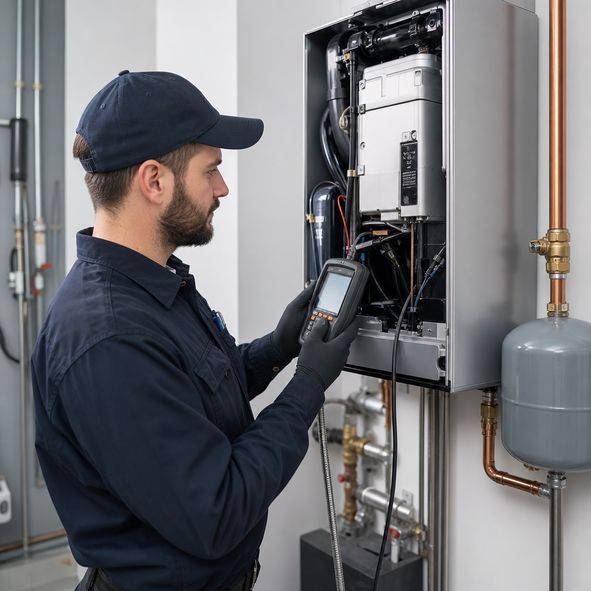
On a grey November morning in Ladner, when the Fraser River mist rolls across the flatlands and the temperature drops to near freezing, there is one system working quietly and tirelessly to keep your home warm, your floors radiantly heated, and your domestic hot water flowing. That system is your boiler. Unlike a forced-air furnace that blasts dry heat through ductwork, a hydronic boiler circulates hot water through a closed-loop system — through radiant floor tubing, baseboard radiators, or fan coil units — delivering a steady, even, profoundly comfortable warmth that Delta homeowners have relied upon for generations. It is a miracle of physics hiding in plain sight inside your mechanical room. And like any hardworking piece of engineering, it demands expert care to perform at its peak. This is where BCRC Heating and Cooling enters the picture.
Ancient Roots: How Humanity First Harnessed Hydronic Heat
The story of the boiler is, in many ways, the story of human civilization’s relationship with fire and water. Long before natural gas lines ran beneath Nordel Way or electric ignitors sparked to life in Tsawwassen townhomes, ancient engineers were solving the same fundamental problem: how do you move heat from a source to a living space efficiently?
The Romans answered this question with breathtaking sophistication through the hypocaust system — an underfloor heating network where wood-fired furnaces pumped hot air through hollow tile floors and cavity walls of bathhouses and villas across the empire. The word itself derives from the Latin hypocaustum, meaning “heat from below.” While this was technically a warm-air system rather than a true hydronic one, the engineering principle — generating heat centrally and distributing it structurally — is the direct ancestor of modern radiant boiler systems.
By the medieval period, rudimentary steam and hot-water heating systems appeared in monasteries and large estates across Europe. It was not until the late 18th century, however, that the boiler began its true industrial evolution. The pioneering work of James Watt on steam engines in the 1760s and 1770s demonstrated that pressurized steam carried enormous transferable energy — a revelation that would reshape manufacturing, transportation, and eventually residential heating. Early hot-water heating systems for buildings began appearing in England and France by the early 1800s, using large cast-iron boilers connected to radiators in what were essentially the first closed-loop hydronic systems recognizable to modern technicians.
Industrial Breakthroughs: The Engineers Who Changed Everything
The 19th century produced the pivotal inventions that transformed boiler technology from industrial curiosity into domestic necessity. In 1868, a London painter and decorator named Benjamin Waddy Maughan invented what he called the “Geyser” — a gas-fired instantaneous water heater that became the conceptual forerunner of the modern tankless system. While Maughan’s device was notoriously dangerous by today’s standards (lacking proper flue venting), its core principle of on-demand, gas-fired heat exchange was revolutionary.
The more consequential breakthrough for residential boiler heating, however, came from Edwin Ruud, a Norwegian mechanical engineer who emigrated to Pittsburgh. In 1889, Ruud patented the first automatic, storage-tank water heater — a design that combined a reliable gas burner with a storage vessel and, critically, an automatic thermostat control. Ruud’s innovation moved domestic hot water and heating from a manual, labour-intensive process to an automated, reliable utility. The company he founded, Ruud Manufacturing, still produces boilers and water heaters sold across North America today.
Throughout the late 19th and early 20th centuries, cast-iron sectional boilers became the dominant technology for larger residential and commercial buildings. These boilers, assembled on-site from individual cast-iron sections bolted together, were extraordinarily durable — many original installations from the 1920s and 1930s are still operational in older Vancouver and Delta buildings today, a testament to the longevity of quality hydronic equipment when properly maintained.
The 20th Century: Standardization, Safety Codes, and Electrification
The catastrophic boiler explosions of the 19th century — which killed thousands and destroyed countless industrial facilities — eventually drove governments and industry bodies to establish rigorous safety standards. In Canada, the ASME Boiler and Pressure Vessel Code, adopted and enforced provincially through bodies like BC’s Technical Safety BC (formerly the BC Safety Authority), established mandatory design pressures, relief valve requirements, and inspection protocols that form the backbone of modern boiler safety regulation.
The mid-20th century saw the widespread adoption of natural gas as the dominant boiler fuel in BC, displacing coal and fuel oil as FortisBC expanded its distribution network through the Lower Mainland and into communities like Delta. Gas-fired cast-iron and steel boilers became standard in new construction, offering higher efficiency and cleaner combustion than their predecessors. Simultaneously, the development of reliable electric resistance boilers opened up heating options for properties without gas service — particularly relevant in areas of Delta where gas infrastructure was not yet available.
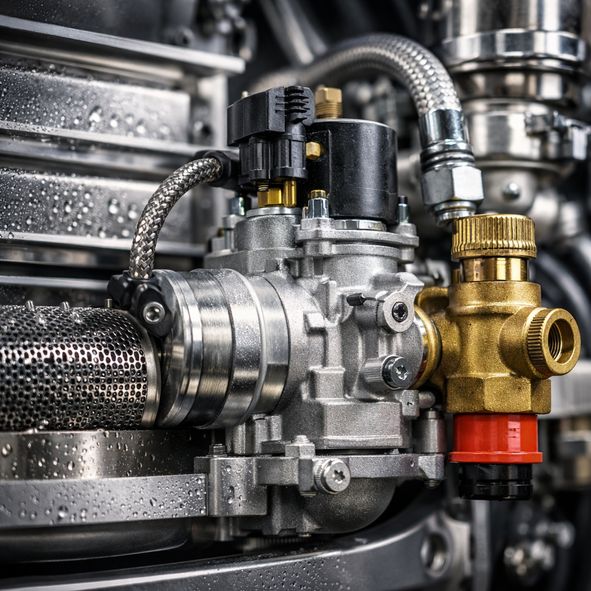
The introduction of electronic ignition systems in the 1970s and 1980s replaced the inefficient standing pilot light, delivering measurable fuel savings. Advances in heat exchanger metallurgy, improved circulator pump designs, and the widespread adoption of modulating gas valves — which adjust the burner’s firing rate to match actual heating demand rather than cycling on and off at full capacity — dramatically improved the efficiency and comfort delivery of residential boilers through the latter decades of the century.
The Modern Era: Condensing Boilers, Tankless Technology, and Smart Wi-Fi Diagnostics
The defining technological leap of the late 20th and early 21st century in boiler engineering is the condensing boiler. A conventional boiler exhausts flue gases at temperatures between 150°C and 250°C, losing a significant portion of combustion energy up the flue. A condensing boiler, by contrast, is designed with a secondary heat exchanger that extracts heat from these exhaust gases, cooling them to the point where the water vapour in the combustion products actually condenses — releasing its latent heat of vaporization directly into the hydronic system. This process pushes Annual Fuel Utilization Efficiency (AFUE) ratings from the 80–85% range of conventional boilers to 95–98% AFUE in modern condensing units from manufacturers like Navien, Viessmann, Bosch, and Weil-McLain.
Parallel to condensing boiler development, the tankless on-demand water heater — descended philosophically from Maughan’s 1868 Geyser — has undergone a complete technological reinvention. Modern gas tankless units from brands like Rinnai, Navien, and Noritz use modulating burners, stainless steel heat exchangers, and sophisticated flow sensors to deliver a continuous stream of hot water at efficiencies exceeding 96% UEF (Uniform Energy Factor), with zero standby heat loss. For Delta homeowners with high simultaneous hot water demand — large families, homes with multiple bathrooms — a properly sized tankless unit or a combination boiler (combi-boiler) that provides both space heating and domestic hot water from a single appliance represents a compelling efficiency and space-saving solution.
Perhaps the most exciting development for today’s Delta homeowner is the integration of smart Wi-Fi diagnostics and cloud-connected controls into modern boiler systems. Platforms like Navien’s NaviLink, Viessmann’s ViCare app, and Nest or Ecobee thermostat integration allow homeowners to monitor boiler operation, adjust heating schedules, receive maintenance alerts, and even diagnose fault codes remotely from a smartphone. For BCRC technicians, this connectivity enables faster, more accurate pre-visit diagnostics — arriving at a Delta service call already knowing whether the issue is a faulty pressure sensor, a blocked condensate drain, or a failing ignitor, rather than spending diagnostic time on-site.
Heat Pump Water Heaters: The Peak Efficiency Paradigm for BC Homeowners
No discussion of modern heating and hot water technology in British Columbia would be complete without addressing Heat Pump Water Heaters (HPWH) — arguably the single most energy-efficient domestic hot water technology available to Delta homeowners today. Rather than generating heat through combustion or electric resistance, an HPWH uses a refrigerant cycle identical in principle to a refrigerator or air-source heat pump: it extracts ambient heat energy from the surrounding air and transfers it into the water storage tank. For every 1 kilowatt-hour of electrical energy consumed, a quality HPWH delivers 3 to 4 kilowatt-hours of thermal energy — a Coefficient of Performance (COP) of 3.0 to 4.0, compared to a COP of exactly 1.0 for a conventional electric resistance water heater.
In the context of BC’s predominantly hydroelectric electricity grid — one of the cleanest in the world — this efficiency advantage translates directly into dramatically lower greenhouse gas emissions and substantially reduced operating costs. BC Hydro’s residential electricity rates, combined with the high efficiency of HPWHs, make the technology exceptionally cost-effective over its 10–15 year lifespan. The CleanBC Better Homes program currently offers rebates of up to $1,000 for qualifying heat pump water heater installations, making the upfront cost barrier significantly more manageable for Delta homeowners. BCRC technicians are fully certified to assess whether your mechanical room has adequate air volume (a minimum of approximately 28 cubic metres of unobstructed space is recommended) for HPWH installation and can guide you through the rebate application process from start to finish.
Boiler Services Comparison: Choosing the Right System for Your Delta Home
| System Type | Efficiency Rating | Typical Lifespan | Primary Fuel | Estimated Install Cost (CAD) | Best Application |
|---|---|---|---|---|---|
| Conventional Gas Storage Boiler | 80–85% AFUE | 15–25 years | Natural Gas | $4,000–$8,000 | Older homes with existing radiator systems |
| High-Efficiency Condensing Gas Boiler | 95–98% AFUE | 15–20 years | Natural Gas | $6,000–$12,000 | New construction, radiant floor, hydronic |
| Electric Resistance Boiler | 99–100% (site efficiency) | 20–30 years | Electricity | $3,500–$7,000 | Areas without gas service, low-emission priority |
| Gas Combi-Boiler (Space Heat + DHW) | 95–98% AFUE | 15–20 years | Natural Gas | $7,000–$14,000 | Space-constrained homes needing combined solution |
| Heat Pump Water Heater (HPWH) | 300–400% COP (3.0–4.0 UEF) | 10–15 years | Electricity | $2,500–$5,000 (after rebates) | BC homeowners maximizing efficiency and rebates |
Greater Vancouver & Delta Homeowner Buying and Maintenance Guide
Delta’s geography presents unique considerations for boiler system selection and maintenance that generic HVAC advice often overlooks. The municipality spans three distinct communities — Ladner, Tsawwassen, and North Delta — each with slightly different housing stock, infrastructure, and microclimatic conditions. The coastal proximity of Tsawwassen and Ladner means higher ambient humidity levels year-round, which accelerates corrosion on certain boiler components, particularly the anode rod in storage-type systems, condensate drain assemblies in condensing boilers, and outdoor-rated flue terminals.
BC Hydro and CleanBC Rebate Programs
Delta homeowners upgrading their heating and hot water systems should be acutely aware of the available government incentive landscape. The CleanBC Better Homes Energy Savings Program, administered through BC Hydro and FortisBC, currently offers substantial rebates including up to $6,000 for ducted heat pump systems, up to $1,000 for heat pump water heaters, and additional incentives for high-efficiency gas boiler upgrades that meet specific AFUE thresholds. These programs are updated periodically, and BCRC’s team stays current with all available incentives to ensure Delta clients maximize their return on investment. The Canada Greener Homes Grant (federal) previously offered up to $5,600 and may be supplemented by successor programs — always consult a certified BCRC technician for the most current incentive landscape before purchasing.
Anode Rod Maintenance: The Most Overlooked Service Item
For Delta homeowners with storage-type boilers or combination systems incorporating a storage vessel, the sacrificial anode rod is the single most important — and most neglected — maintenance component. Typically constructed from magnesium, aluminum, or zinc wrapped around a steel core, the anode rod corrodes preferentially to protect the steel tank lining from electrochemical degradation. Delta’s water supply, while generally of high quality, contains mineral content that can deplete an anode rod in as few as 3–5 years in high-usage households. BCRC recommends inspecting the anode rod every 2–3 years and replacing it when more than 50% of the core wire is exposed. This single $80–$150 maintenance item can extend tank life by 5–10 years, delivering exceptional return on investment.
Annual Boiler Tune-Up: What BCRC Technicians Check
A professional annual boiler service by a BCRC Red Seal technician covers a comprehensive checklist including: combustion analysis (measuring CO, CO2, and flue gas temperature to verify burner efficiency), heat exchanger inspection for cracks or fouling, condensate drain and neutralizer inspection on condensing units, pressure relief valve testing, expansion tank pre-charge verification, circulator pump operation and bearing condition, gas valve and ignitor inspection, control board diagnostic code review, and system water chemistry assessment. For hydronic systems, maintaining proper inhibitor levels in the system water prevents internal corrosion of heat exchanger surfaces — a critical but frequently overlooked service point that can void manufacturer warranties if neglected.
Frequently Asked Questions: Boiler Services in Delta
How do I know if my Delta boiler needs repair or full replacement?
The industry standard guidance is the “50% rule”: if the estimated repair cost exceeds 50% of the cost of a new equivalent system, replacement is typically the more economical long-term decision. Beyond cost, age is the critical factor. A conventional cast-iron boiler over 20–25 years old, or a modern condensing boiler over 15–18 years old, that is experiencing repeated failures is approaching the end of its reliable service life. Warning signs that warrant an immediate service call include: visible water leaks around the boiler body or connections, persistent fault codes that reset but recur within days, unusual banging or kettling sounds (caused by limescale buildup on heat exchanger surfaces), yellow or orange burner flames rather than a crisp blue flame (indicating incomplete combustion and potential carbon monoxide risk), and unexplained increases in gas bills of 15% or more with no corresponding increase in usage.
What is the difference between a boiler and a water heater? Can one system do both jobs?
A traditional residential boiler is designed primarily for space heating — it heats water and circulates it through a hydronic distribution system (radiant floors, baseboard radiators, fan coils) to warm your living spaces. A domestic hot water heater heats potable water for taps, showers, and appliances. These are historically separate systems, but modern combination boilers (combi-boilers) integrate both functions into a single high-efficiency appliance. A combi-boiler heats system water for space heating while also incorporating a secondary heat exchanger (or a prioritization control system) to provide on-demand domestic hot water. For Delta homes with limited mechanical room space, a combi-boiler from manufacturers like Navien (NCB series), Viessmann (Vitodens series), or Bosch (Greenstar Combi) can be an elegant and highly efficient solution. BCRC technicians can perform a full load calculation to determine whether a combi-boiler is appropriately sized for your specific home’s simultaneous heating and hot water demand.
Are there specific BC regulations and permits required for boiler installation in Delta?
Yes, absolutely — and this is a critical point for Delta homeowners to understand before accepting any quote from an unlicensed contractor. In British Columbia, all boiler installations and replacements are regulated under the Safety Standards Act and the Boiler, Pressure Vessel and Refrigeration Safety Regulation, administered by Technical Safety BC. Any boiler installation that changes the system configuration, replaces the appliance, or modifies the gas piping requires a permit pulled by a licensed contractor and a Technical Safety BC inspection upon completion. All BCRC boiler installations include the full permit and inspection process as standard — we never cut corners on regulatory compliance. Additionally, all gas work in BC must be performed by a licensed Gas Contractor and a certified Gas Fitter holding at minimum a Class B Gas Ticket. BCRC technicians hold the appropriate certifications and Red Seal endorsements to legally perform all aspects of boiler installation and service in Delta and across Greater Vancouver.
How does Delta’s climate specifically affect boiler system performance and maintenance intervals?
Delta sits at sea level in the Fraser River delta, giving it one of the mildest winter climates in Canada — but mild does not mean maintenance-free. The local climate is characterized by prolonged damp, overcast periods from October through March, with temperatures hovering between 2°C and 8°C for extended periods rather than experiencing the sharp deep freezes of interior BC. This means your boiler operates in a sustained moderate-load condition for many months, logging significant run-hours without the natural dormancy periods that colder climates experience. The high ambient humidity accelerates corrosion on external boiler components, flue terminals, and condensate systems. Ladner and Tsawwassen homes near the water are particularly vulnerable to salt-laden air. BCRC recommends annual service intervals without exception for all Delta boiler installations, with condensate drain inspection every six months for high-efficiency condensing units during the heating season. Delta’s water hardness, while moderate, is sufficient to cause limescale accumulation in heat exchangers over time — a combustion analysis every year will reveal efficiency degradation caused by fouling before it becomes a costly repair.
Trust Your Delta Boiler to BC’s Most Qualified Team
Your boiler system is not merely a mechanical appliance — it is the thermal foundation of your home’s comfort, safety, and energy efficiency. From the ancient ingenuity of Roman hypocausts to the cloud-connected, 98% AFUE condensing boilers and ultra-efficient heat pump systems available today, the technology protecting your Delta home from the coastal chill has never been more sophisticated. And it has never demanded more specialized expertise to install, maintain, and repair correctly. At BCRC Heating and Cooling, our Red Seal Master Technicians bring not only the technical certifications required by BC law, but a genuine depth of hydronic heating expertise developed across hundreds of Delta, Ladner, Tsawwassen, and North Delta homes and commercial properties. We handle every aspect of your boiler’s lifecycle — from precise load calculations and equipment selection through to permitted installation, annual tune-ups, emergency repairs, and rebate-optimized replacements — with the transparency, craftsmanship, and accountability that Greater Vancouver homeowners deserve. Whether you need an emergency boiler repair on a cold December morning or are planning a full high-efficiency system upgrade, BCRC is your trusted local partner. For certified, Red Seal quality boiler installation in Vancouver and throughout the Greater Vancouver region including Delta, contact BCRC Heating and Cooling today at (604) 781-7272 — because your family’s comfort is too important to trust to anyone but the best.