

Optimizing Indoor Air Quality: Furnace Filter Upgrades in BC
Table of Contents
The quality of the air inside our homes is an important factor in our health, comfort and general welfare every day. While we often think of pollution as something that happens outside, the truth is that indoor spaces can have just as much, if not more, airborne pollution. Improving indoor air quality is not a luxury for households across British Columbia, particularly for seniors living in Vancouver and nearby communities.
At BCRC Heating and Cooling, we know how important clean indoor air is to healthy living. One of the easiest and cheapest things you can upgrade is your furnace filter. Smart choices about HVAC maintenance can turn your home into a safe, comfortable sanctuary and greatly reduce your exposure to dangerous particles. Click here for furnace repair service in Vancouver.
Please check our professional furnace installation service in Vancouver.
Why Indoor Air Quality Is Important (Especially for Seniors)
Many homes feel sealed off from the outside world and pollutants build up inside. Whether you’re cooking, cleaning or burning candles, everyday activities release fine particles and volatile organic compounds (VOCs) into the air. Factor in external influences, such as seasonal pollen or wildfire smoke blowing into Metro Vancouver, and your indoor environment can easily become a repository for irritants. Your living space is awash with an invisible cocktail of contaminants: dust mites, pet dander, mould spores and bacteria.
Bad indoor air quality has been linked to a host of health problems. Short-term effects may include eye, nose or throat irritation, headaches, dizziness and fatigue. Long term exposure causes the risk of respiratory illnesses, allergies and even cardiovascular problems. Children and the elderly are particularly at risk. Older people are particularly susceptible, often having compromised immune systems or underlying health conditions like asthma, COPD, or heart disease that makes them much more susceptible to airborne irritants.
That’s why we need to improve indoor air quality. For Vancouver homeowners, being proactive is not simply about comfort. It’s about protecting the health of your loved ones. “Improved air filtration and HVAC practices can help produce a safer environment that promotes easier breathing, better sleep and enhanced overall quality of life.
How Your Furnace Filter Helps
Your furnace filter is the first line of defence against airborne pollutants. The filter in your HVAC system traps dust, pollen, pet hair and microscopic particles as the air passes through the system so they don’t get recirculated back into your living spaces. If you pick the right filter and change it when it’s time, it will prevent dirt from accumulating inside your ducts and help your system run efficiently.
Unfortunately, many homeowners do not realize the importance of this small component. If the filter is too simple, it can let allergens and fine particles pass right through. A clogged or dirty filter can restrict airflow, making your furnace work harder and possibly reducing the life of your system. In some cases, an overtaxed system can actually blow the trapped pollutants right back into your house.
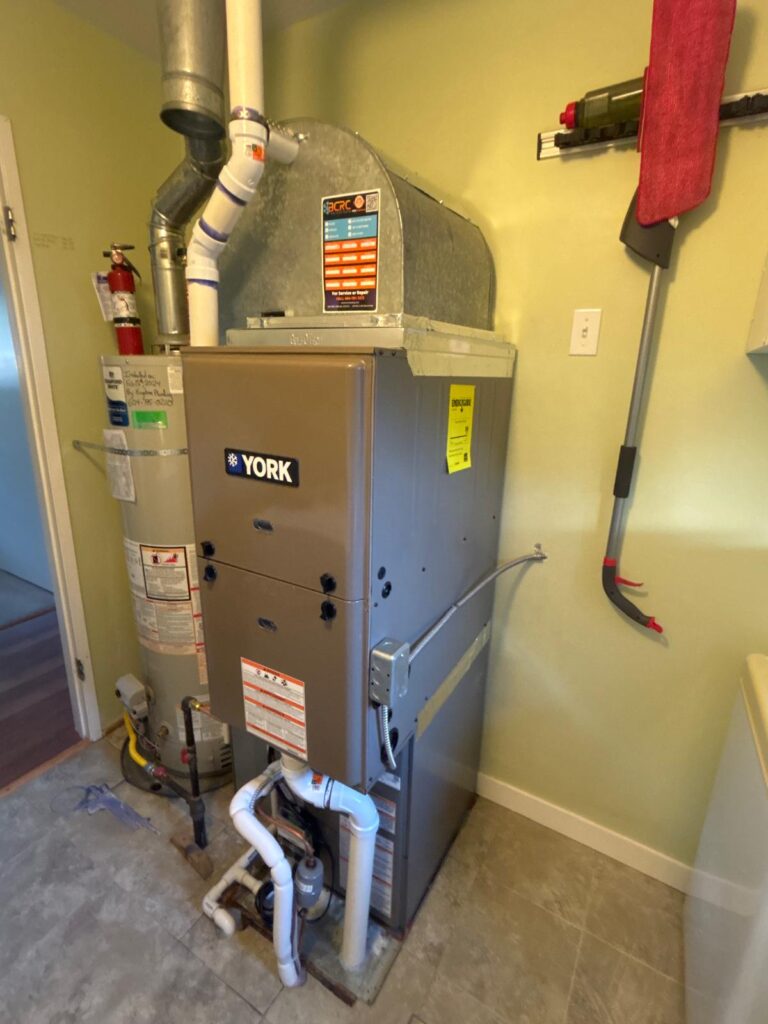
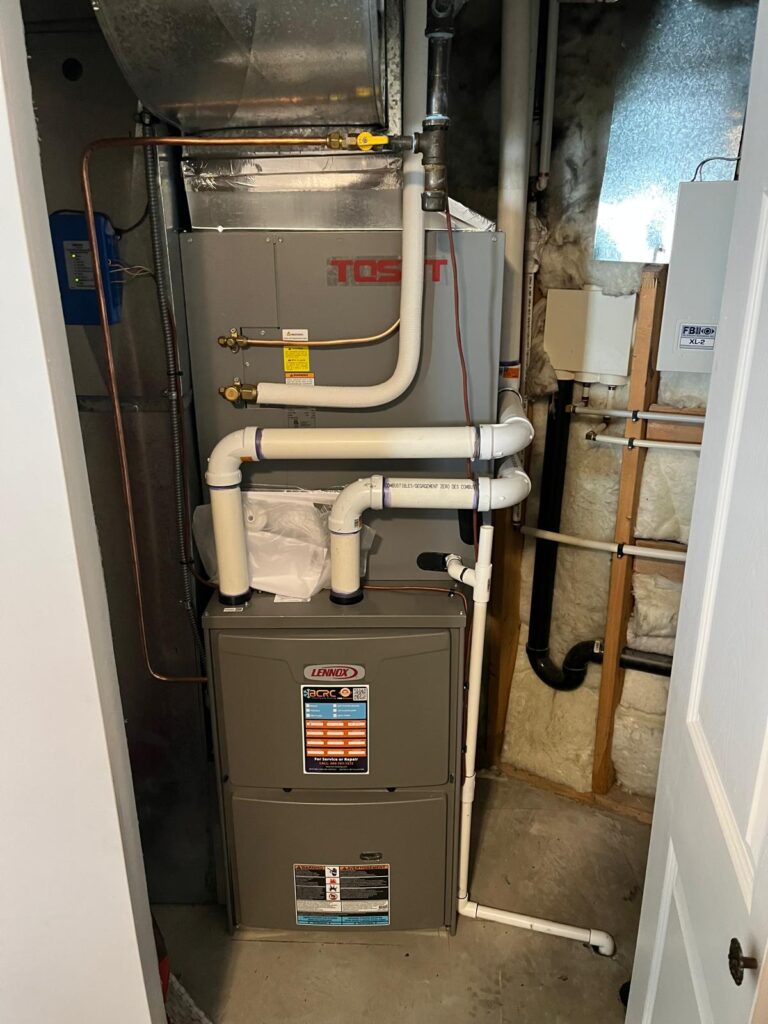
One of the simplest ways to improve the quality of your indoor air is to upgrade your furnace filter. High-efficiency filters, often rated by their MERV (Minimum Efficiency Reporting Value), can trap much smaller particles than standard filters. For example, a filter with a MERV 8 to 13 rating can be effective in trapping mould spores, fine dust, and some bacteria. Higher end HEPA style filters will filter even more but may require modifications to your system to avoid restricting air flow.
MERV, HEPA, & Other Ratings: What’s Best to Choose
To get the best furnace filter upgrade you need to understand filter ratings:
MERV (Minimum Efficiency Reporting Value) – Measures the efficiency of a filter in trapping particles from 0.3 to 10 microns. Higher MERV = Better filtration. For most homes, a MERV of 8-13 strikes a good balance between protection and airflow.
HEPA (High Efficiency Particulate Air) – Filters that remove 99.97% of particulates .3 microns in size. Great for allergy sufferers or anyone looking for advanced protection, though not all furnaces can fit HEPA filters without upgrades or modifications.
Pleated vs Electrostatic vs Fibreglass: Fibreglass is cheaper and less efficient . Pleated filters have more surface area . Electrostatic filters use electric charge to attract particles . Which one is right for you depends on your system and your health needs.
One of the most powerful tools you have for optimizing indoor air quality is selecting a filter with a high enough MERV rating (or HEPA in some cases) – but you also need to ensure that your furnace system can handle the airflow resistance.
Furnace Filter Upgrades: What They’re All About
Reviewing Your Current Setup
Before upgrading, BCRC Heating and Cooling technicians assess:
The present furnace, ductwork and ventilation system
Size of filter slot and type of filter used
Airflow Capacity – Can the furnace motor handle higher resistance filters?
Existing indoor air problems (humidity, mould, pets, smoke, allergies)
Filter Upgrade Options
Common upgrade pathways are:
Switching to pleated filters with higher MERV ratings from standard fibreglass filters
Adding or retrofitting HEPA or near-HEPA filters to ducted systems or stand-alone air purifiers
Use of electrostatic or washable filters in appropriate cases
Layered protection with dual filters (high-efficiency one near air return, one at furnace)
Installation & Services
Even a good filter won’t work if it’s installed or maintained incorrectly. Key practices:
Ensure filter is sealed properly, no gaps
Change or clean filters as needed (generally every 3 months for many homes, more often for homes with pets, smokers, or allergy sufferers)
If MERV rating is higher, upgrade filters, check fan curves and motor load for safety and efficiency
See the pressure drop: too much restriction of airflow can damage the furnace or diminish indoor comfort
How Upgrading Your Filter Can Tackle Different Indoor Pollutants
Here’s how better filtering solves the different air quality problems common in Vancouver:
| Type of pollutant | Typical Sources | How Upgraded Filters Assist |
|---|---|---|
| dust pet dander hair | Rugs, animals, everyday dirt | These are trapped by high-MERV or pleated filters before they circulate |
| Pollen and allergens | Windows, outside air, HVAC intake | HEPA or high-MERV filters capture allergens, which are fine particles. |
| Mould spores & mildews | Damp climate, wet cellars, leaks | Humidity control with filters that cut airborne spores |
| Odours, smoke, VOCs | Smoke from wildfires, cooking, cleaning products | Smells and chemicals are reduced by activated carbon filters or special media |
Better indoor air quality makes your home not just a place to live, but a healthier place to live. This is particularly critical for seniors or people with respiratory sensitivities.
Furnace Filter Upgrades Versus Other IAQ Strategies
Replacing your furnace filter is a key step, but it’s only one part of a larger toolkit:
Adequate ventilation: fresh air intake, exhaust vents, bathroom/kitchen fan
Humidity control: dehumidifiers or humidifiers depending on the season.
Routine HVAC maintenance: cleaning ductwork, inspecting seals, and ensuring all systems are working properly
Air purifiers or UV-light systems: for very fine particles or microbes
But filter upgrades are often one of the least expensive ways to start optimizing indoor air quality. They are less expensive, relatively easy to implement, and offer near immediate benefit.
Climate Special Considerations for Vancouver & BC
Our often humid coastal climate can encourage mould and mildew. They get upgraded, and good filters help to capture spores and reduce risk.
Wildfire smoke is a significant, though infrequent, problem. During smoke events, HEPA filters or filters with higher MERV ratings can be effective.
Many Vancouver homes are older, and therefore their HVAC systems may be older or not designed to use high resistance filters. Upgrades often need a professional assessment.
At BCRC Heating and Cooling, we’ve found that homes in Metro Vancouver and the Lower Mainland greatly benefit from pairing good filter upgrades with moisture control and clean venting.
How to Measure Filter Performance & Improve Air Quality
A good practice is to watch the improvement after a filter upgrade. Here are some ways:
Indoor Air Quality Monitors: devices that detect PM2.5, VOCs, humidity
Relative Health & Comfort Less dust settles Less allergy attacks Less coughing Better sleep
Utility Bills & HVAC Efficiency: High airflow resistance can lead to higher energy costs; a proper filter upgrade should find a happy medium between efficiency and clean air
The goal in indoor air quality is to see improvement without negative side effects (higher bills, overly dry or humid air, etc.).
How to Change Your Furnace Filter BCRC Heating and Cooling A Step-by-Step Guide
Schedule an in-home assessment: BCRC technicians will assess your system and current filter.
Discuss any health or sensitivity needs you feel you have: {You don’t have allergies?} Resident seniors? Pets? Smoking?
Assess the capacity of your furnace: Is it capable of supporting higher-MERV filters? Should I seal my ducts?
Recommended filter types: We recommend filter brands, MERV level, possibly HEPA retrofits or carbon filters if needed.
Install it right: Our team ensures the snug fit, the right airflow direction and sealing.
Make a maintenance schedule: We’ll let you know when to change or clean filters, check performance.
Track & monitor IAQ: We can help with air quality monitors or intermittent inspections to make sure you’re getting the benefits.
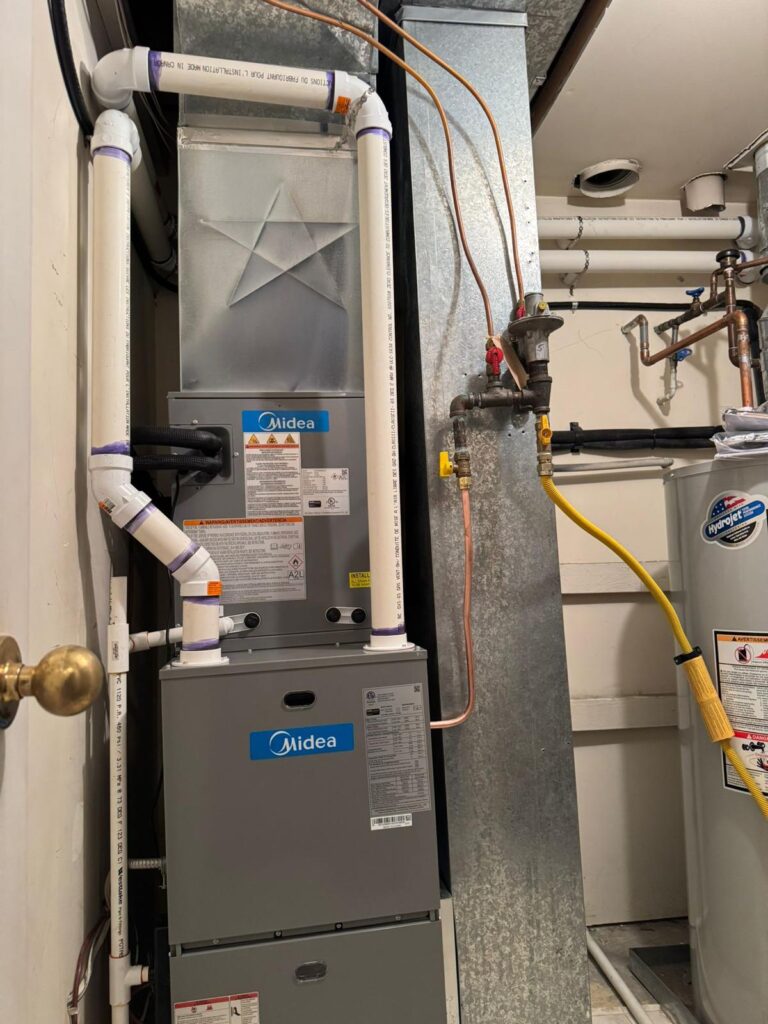
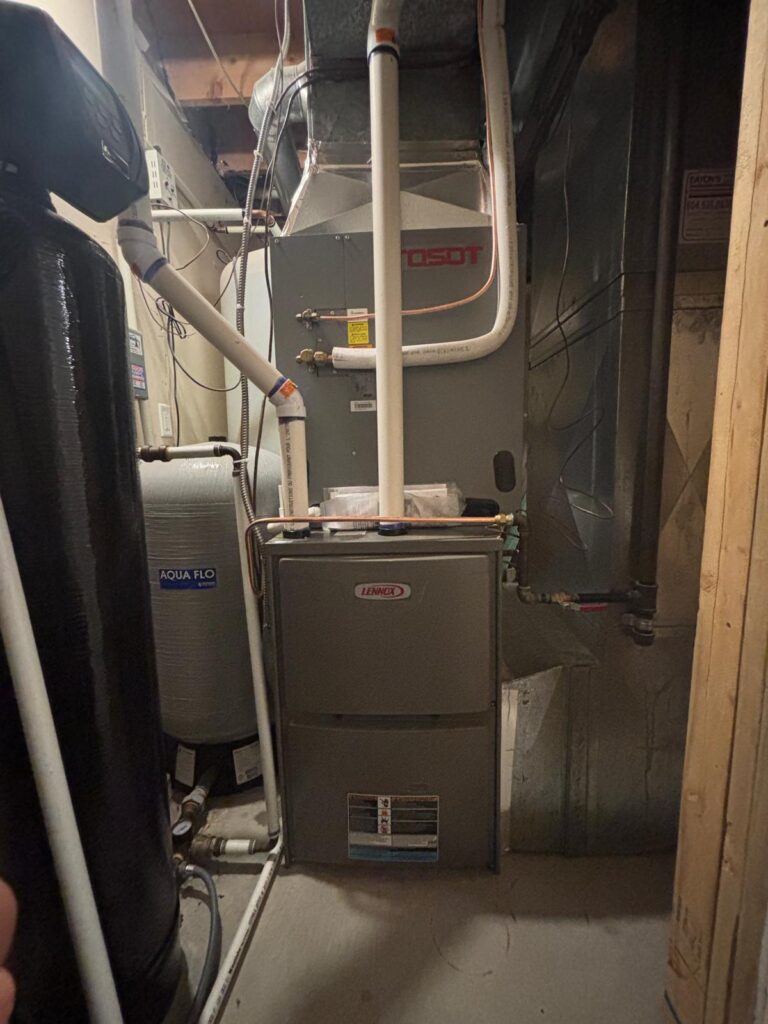
Emergency Expert Furnace Service Vancouver
Cost vs. Value: What You Should Know
Upgrading filters often increases upfront cost—but:
Reduced healthcare costs from fewer allergy or asthma incidents
Lower long-term wear on HVAC system because dust and debris are kept in check
Energy savings if high resistance filters are properly matched – fewer system inefficiencies
Better home comfort (fewer hot/cold spots, less odor, less dust), which is invaluable
When optimizing indoor air quality, what you spend on filters feels small compared to the comfort, health, and long-term savings you get.
Common Myths & FAQs
| Myth | Reality |
|---|---|
| Higher MERV always means better | Not if your furnace can’t maintain airflow—too high a resistance and you lose efficiency or risk system damage. |
| Changing filters often costs too much | Missing filter changes costs more in health, replacements, energy, and maintenance. |
| Fiberglass is good enough | Fiberglass picks up large debris, but doesn’t catch fine particles—pleated or HEPA filters do a much better job at optimizing indoor air quality. |
| Seal your house completely | Sealing helps, but ventilation and filtration are essential to bring in fresh air and remove pollutants. |
Case Studies: Vancouver Seniors & Families
Mrs. T in Kitsilano: A senior living alone, frequent allergy flare-ups. After upgrading to a MERV 13 pleated filter, replacing it every 8 weeks, and adding a portable air purifier for wildfire smoke, she reports much fewer sneezes and deeper sleep.
The Yang family in Burnaby: Two children, one with asthma. BCRC changed ducts, sealed leaks, upgraded filter to MERV 12, and now their HVAC system handles smoke days without the house filling with smoke smells.
These stories show clear instances of optimizing indoor air quality directly improving daily life.
How to Know It’s Time for a Filter Upgrade
You clean every few days and still see lots of dust
Someone in the household has been ill or having respiratory symptoms
Smoke from outdoors seeps in, or wildfire-smoke alerts are frequent
Your HVAC system seems noisier, or energy bills have been creeping up
Existing filters are low quality, thin, or very cheap
If any of these apply, investing in furnace filter upgrades is a smart move.
Doing It Right: Tips from BCRC Heating and Cooling
Always purchase from reputable brands; cheap filters with inflated claims often underperform.
Ask your HVAC technician about your system’s maximum allowed pressure drop and fan capacity.
Balance filtration with ventilation—bring fresh air gently where possible.
Keep humidity between ~30-50% to discourage mold but prevent dryness.
Watch for signs of filter overuse: discoloration, smell, reduced airflow.
Why Prioritizing Filter Upgrades is a Key Step
Optimizing indoor air quality isn’t just a slogan—it means taking practical steps, and furnace filter upgrades are often among the easiest, most cost-effective, and fastest. When done with expertise, they:
Reduce airborne irritants and allergens
Protect respiratory health, especially for households and seniors
Improve comfort, smell, cleanliness
Lower maintenance headaches and long-term system wear
At BCRC Heating and Cooling, our expertise and hands-on service ensures you get all these benefits—without guessing or over-spending.
Breathe Easier Today with BCRC Heating and Cooling
You deserve a home in Vancouver where every breath feels clean, calm, and safe. Let BCRC Heating and Cooling help you start optimizing indoor air quality today.
Contact us now for a complimentary in-home evaluation, and let our skilled technicians show you where your furnace filter upgrade can deliver the biggest improvement—for health, comfort, and peace of mind. Seniors and households, we are here for you. Don’t wait until allergies, smoke, or asthma symptoms force the issue—take action now, breathe easier tomorrow.