

Signs Your Furnace is Dying: When to Repair vs. Replace
Table of Contents
Please check our professional furnace installation service in Vancouver.
Why it’s Important to Know the Signs Your Furnace is Dying Early
10 Signs That Your Furnace is Dying
Strange Sounds That Keep You Up at Night
Unexplained Surge in Energy Costs
Frequent Repairs Are Expensive
Cold Rooms From Uneven Heating 3.
Pilot Light Yellow Or Flashing
Too much dust or bad air quality
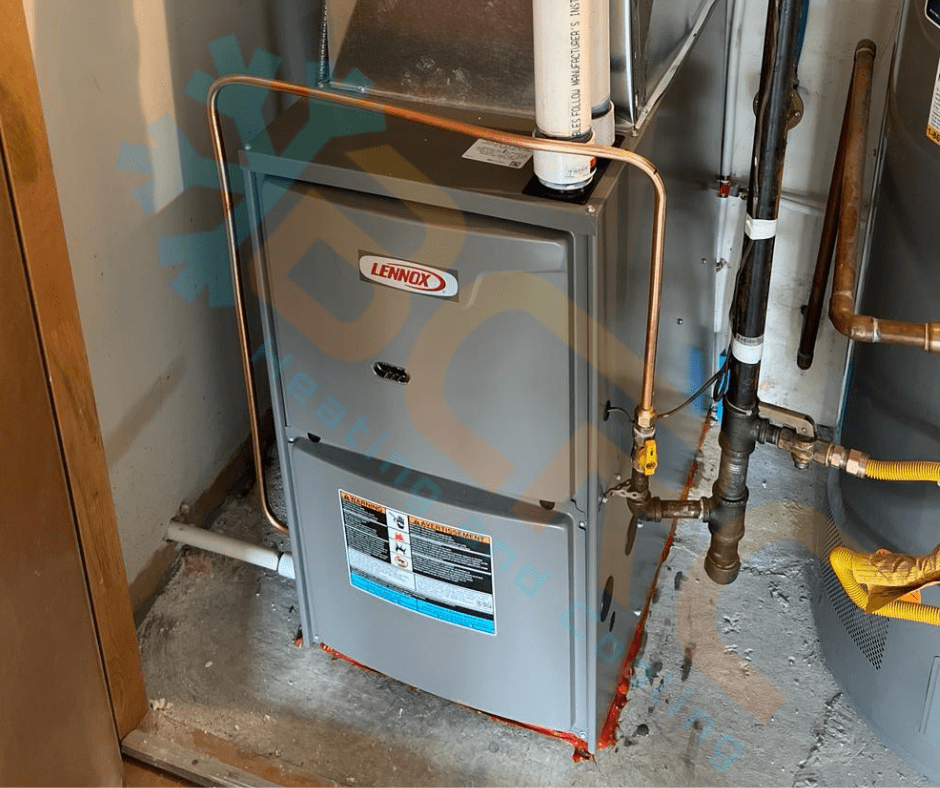
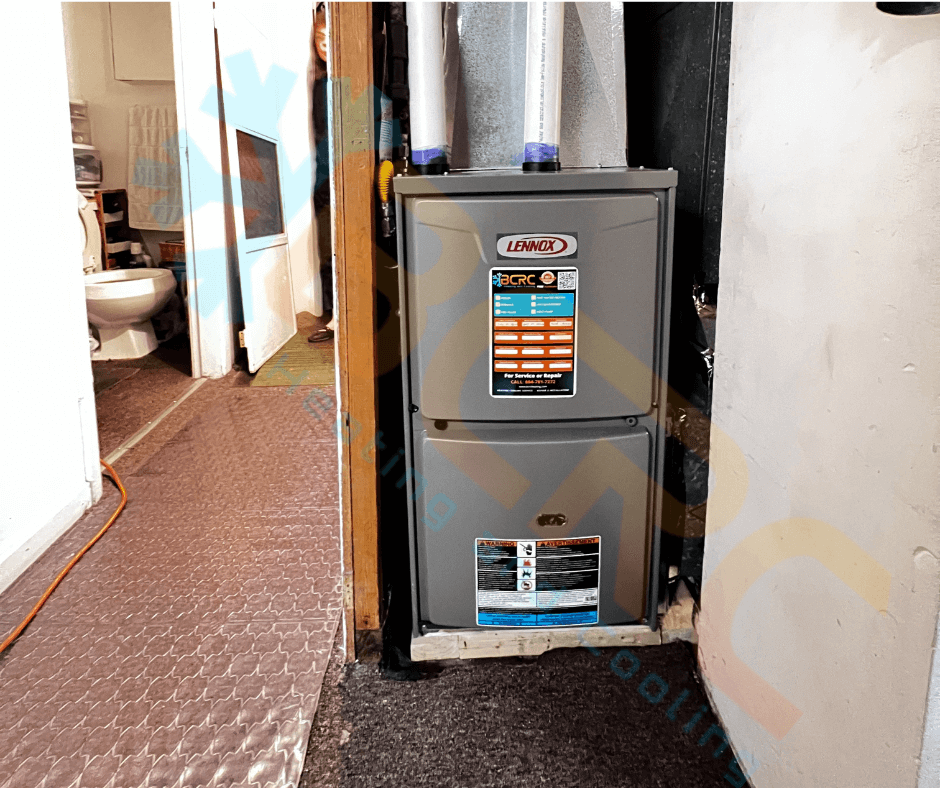
Age 15 Years and Older
Short Cycling Driving You Nuts
Soot and Rust Around Your Furnace
Poor Air Flow Hardly Warming You
The furnace in your home is one of the most important parts of keeping your home warm and comfortable, particularly during the colder months. But furnaces, like any appliance, aren’t going to last forever. If your heating system has been acting up, it may be giving you a sign that it’s on its last legs. Knowing the telltale signs your furnace is dying is vital in making sure your home stays warm and safe and avoiding untimely breakdowns and costly emergency repairs.
What do these signs mean to you?
The first step is knowing the signs that your furnace is dying, and knowing what they mean can help you make an informed decision about what to do next. Some signs may point to small problems which can be fixed with repairs, whereas some signs indicate the replacement is inevitable.
For example, if your furnace is making strange noises like rattling, banging, or screeching, it could be as simple as a loose part or a dirty filter. Many times these issues can be easily repaired, especially if your furnace is not too old. However, when you notice a combination of red flags such as increased energy bills, uneven heating, constant cycling and frequent breakdowns, it is an indication that your furnace is nearing the end of its useful life.
Households have different priorities when it comes to whether to repair or replace a furnace. Seniors are especially concerned about safety, particularly the dangers posed by an aging furnace, such as carbon monoxide leaks and the possibility of the entire system failing in the middle of winter. There’s nothing better than peace of mind knowing your outdated furnace has been replaced with a safer, high-efficiency model.
For families with small children, convenience and long-term cost savings may be the #1 priorities. A failing furnace can make you uncomfortable in your home and lead to higher utility bills. Investing in a modern, energy efficient unit can provide a more stable heating solution, lower energy costs, and improved air quality.
We at BCRC Heating and Cooling have assisted many homeowners in making the tough choice between repairing or replacing their furnace, we provide personalized solutions that take into account their unique requirements and financial restrictions.
Repair vs. Replace: How to Choose
Once you recognize the signs your furnace is dying, the next big question is whether to repair or replace it. The decision largely depends on the age of the unit, the extent of the issue, and cost considerations. Here’s how to make the right choice:
When to Repair Your Furnace
The system is under 10 years old – If your furnace is still relatively young and has been well-maintained, many issues can be resolved with simple repairs, keeping it running efficiently for years to come.
The issue is isolated – If only one component, such as the thermostat, blower motor, or ignitor, is faulty, a repair is usually a cost-effective solution.
The cost of repair is less than one-third of the replacement cost – If a repair is relatively inexpensive and can extend the furnace’s life significantly, it makes sense to opt for repairs.
When to Replace Your Furnace
Your furnace is over 15 years old – Older furnaces lose efficiency and become more prone to frequent breakdowns. If your unit has surpassed the 15-year mark, replacement is usually the smarter long-term investment.
Repairs are becoming frequent and expensive – If you find yourself calling a technician multiple times a season, it’s time to consider a new unit rather than throwing money into an aging system.
Safety risks emerge – A cracked heat exchanger, gas leaks, or carbon monoxide emissions pose serious health risks and require immediate replacement.
For seniors and households prioritizing safety and reliability, replacing an old furnace is often the best option. However, if budget constraints are a major concern, repair may be a viable short-term solution while you plan for a future replacement.
The Cost Factor: Repairs, Replacement, and Savings
Understanding the financial aspects of furnace repairs and replacements can help homeowners make a well-informed decision. Here’s a breakdown of potential costs:
Repair Costs: Common furnace repairs range from $100 to $500, depending on the issue. For example:
Thermostat replacement: $100 – $300
Blower motor repair: $150 – $500
Ignitor replacement: $100 – $250
Replacement Costs: A new furnace typically costs between $3,000 and $7,000, including installation. High-efficiency models with 90%+ AFUE ratings cost more upfront but can significantly reduce energy bills in the long run.
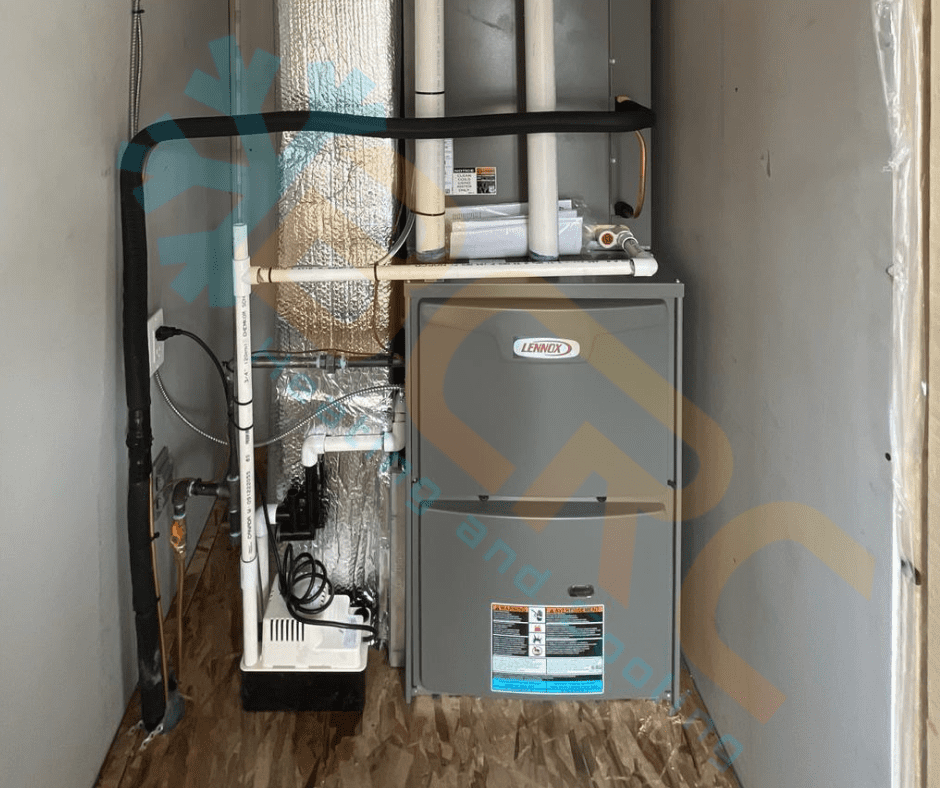
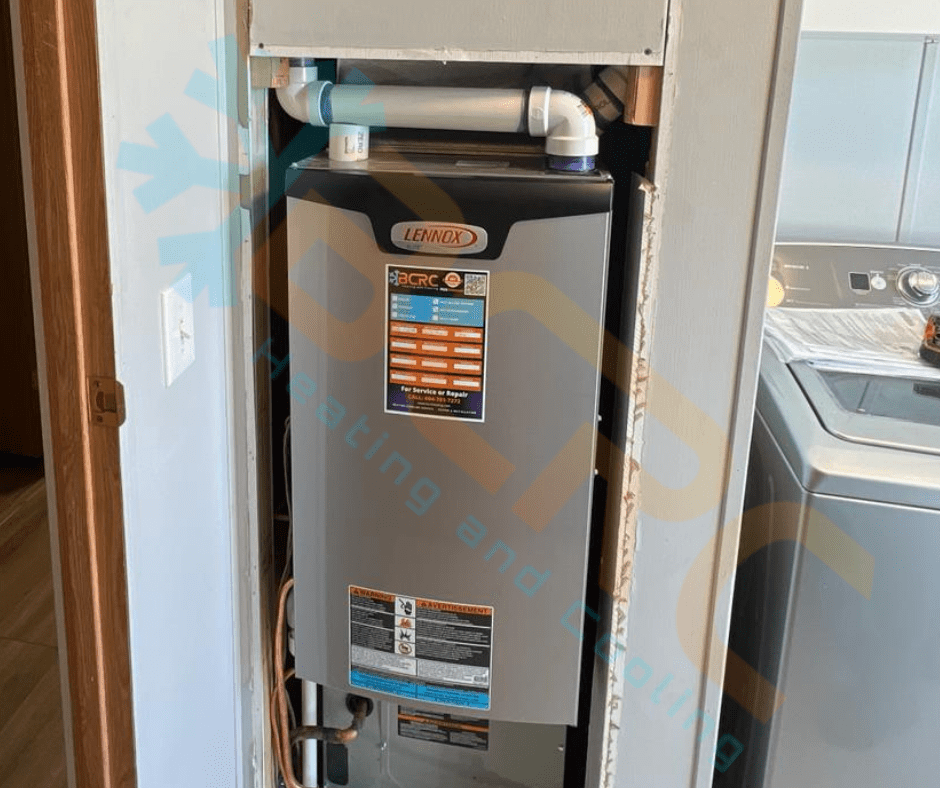
Emergency Furnace Service Vancouver
Optimizing Savings through Energy Efficiency and Rebates
Homeowners can reduce their annual heating expenses by hundreds of dollars with a high-efficiency furnace. Furthermore, a lot of areas provide incentives and rebates for switching to an energy-efficient model. In order to make the replacement process more affordable, we at BCRC Heating and Cooling assist homeowners in investigating available rebates and financing options.
Preventive Strategies to Postpone Your Furnace’s Death Signs
Even though all furnaces eventually wear out, regular maintenance can greatly increase their lifespan and postpone the signs of a malfunctioning system. Here are some crucial maintenance pointers:
Replace Your Filters Frequently: A clogged filter limits airflow and makes the furnace work harder, which causes premature wear. Try to change the filters every one to three months.
Plan yearly tune-ups: Expert maintenance guarantees that minor problems are identified early, averting expensive malfunctions. Your system can be examined, cleaned, and optimized for optimal performance by a BCRC Heating and Cooling technician.
Keep Registers and Vents Clear: When vents are blocked, the system must work harder, which increases wear and tear. Verify that no furniture, carpets, or other items are blocking airflow.
Keep an Eye Out for Strange Noises: Squealing, rattling, or banging noises are signs of possible problems. Major system failures can be avoided by addressing them early.
Keep an eye on your energy bills. A sharp increase in heating expenses without a commensurate rise in usage is a clear sign that your furnace is becoming less efficient.
Enlisting the assistance of a family member or signing up for a professional maintenance plan can help seniors who may find furnace maintenance difficult to keep the system operating efficiently. To keep their furnace operating at peak efficiency, households can set reminders for filter changes and tune-ups.
FAQs Regarding Furnace Failure
A: If you take care of your furnace, it can last 15 to 20 years, but if you don’t, the symptoms may show up sooner.
A: Basic jobs like changing filters are acceptable, but for safety, gas or electrical work requires a specialist from BCRC Heating and Cooling.
A: The first indications that your furnace is dying are usually strange noises or increasing bills.