



Boiler Services in Maple Ridge | BCRC
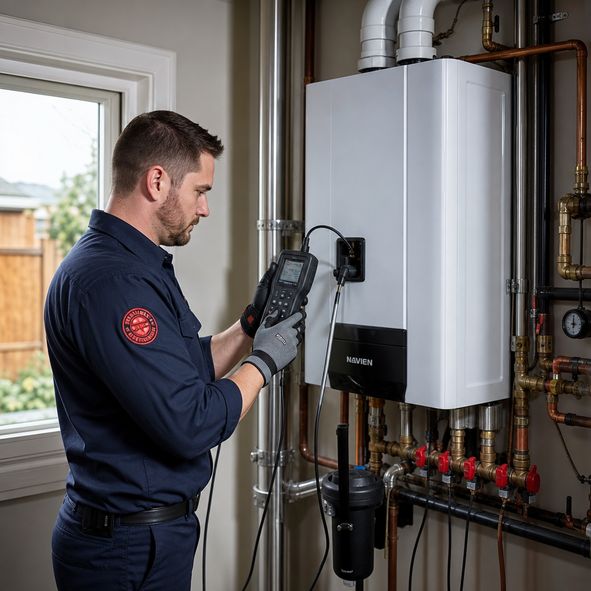
The Quiet Giant Beneath Your Floors: Why Your Boiler Deserves Expert Attention
There is a moment every Maple Ridge homeowner knows well — stepping onto a warm radiant floor on a frigid January morning, or hearing the gentle, reassuring hiss of a baseboard radiator filling a cold room with steady, even heat. That seamless comfort is delivered by one of the most reliable and efficient heating technologies ever engineered: the hydronic boiler. Unlike forced-air furnaces that blast dry, uneven heat through ductwork, a properly serviced boiler circulates hot water silently and consistently through your home, delivering a quality of warmth that is fundamentally different — deeper, more even, and far more comfortable. But that quiet miracle only continues when the system behind it is maintained, repaired, and operated by technicians who truly understand it. At BCRC Heating and Cooling, boilers are not a sideline service — they are a core competency, and Maple Ridge homeowners are among the most discerning clients we serve.
Ancient Roots and Early Engineering: The Boiler’s Long History
To appreciate the modern boiler, it helps to understand where the concept began. The Romans, those extraordinary engineers of antiquity, developed the hypocaust system as early as 100 BCE — a network of raised floors and hollow walls through which hot air and steam circulated, warming bathhouses and villas across the empire. It was the world’s first centralized radiant heating system, and its core principle — transferring thermal energy through a medium to warm a living space — remains the foundational logic of every hydronic boiler operating in Maple Ridge today.
Centuries later, during the height of the Industrial Revolution in England, engineers began harnessing steam pressure for far more than heating. James Watt’s refinements to the steam engine in the 1760s and 1770s demonstrated that a closed vessel of pressurized, heated water could do extraordinary mechanical work. By the mid-1800s, cast-iron sectional boilers were being installed in wealthy homes and commercial buildings across Europe and North America, pumping steam through ornate iron radiators. The technology was powerful, but it was also temperamental, dangerous when poorly maintained, and highly inefficient by modern standards. The story of the boiler since then has been one of relentless refinement — safer, smarter, and dramatically more efficient with each passing decade.
The Industrial Breakthroughs That Shaped Modern Heating
Two innovations stand as pivotal milestones in the evolution toward the high-efficiency boilers BCRC installs and services in Maple Ridge today. The first was Benjamin Waddy Maughan’s instantaneous water heater, patented in 1868 and nicknamed the “Geyser” — a device that heated water on demand by passing cold water over gas-fired jets. Maughan’s invention, though rudimentary and prone to hazardous gas accumulation without proper ventilation, established the conceptual framework for on-demand heating that would later define condensing technology.
The second, and perhaps more transformative breakthrough, came from Norwegian-American engineer Edwin Ruud, who in 1889 invented the automatic storage water heater — a device that maintained a reservoir of hot water at a consistent temperature through a thermostatically controlled burner. Ruud’s design introduced the concept of automated temperature regulation to hydronic heating, and his Pittsburgh-based company became the foundation of an entire industry. By the early twentieth century, Ruud-style designs were being scaled up into residential and commercial boiler systems, with cast-iron heat exchangers, barometric dampers, and rudimentary aquastat controls managing water temperatures across multi-zone systems. The boiler had become a household staple.
The 20th Century: Standardization, Electrification, and Zone Control
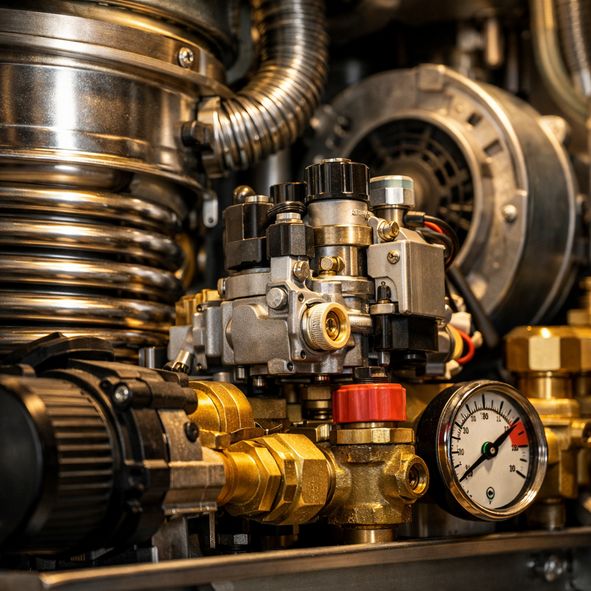
The post-World War II housing boom across North America — including the rapid suburban expansion that would eventually shape communities like Maple Ridge — created an enormous demand for standardized, affordable residential heating. The 1950s and 1960s saw the widespread adoption of natural gas-fired cast-iron boilers paired with baseboard convectors and zone valves, a system architecture that remains common in older Maple Ridge homes today. The introduction of aquastat controllers, circulator pumps, and expansion tanks transformed boilers from temperamental beasts into relatively reliable appliances.
The 1973 oil crisis proved to be a watershed moment for boiler efficiency. With fuel prices skyrocketing overnight, manufacturers were forced to engineer meaningfully better heat exchangers, improved combustion chambers, and electronic ignition systems to replace standing pilot lights — which alone wasted a measurable percentage of annual fuel consumption. By the 1980s, mid-efficiency boilers with Annual Fuel Utilization Efficiency (AFUE) ratings of 78–82% had become the new baseline. The stage was set for the condensing revolution that would redefine the industry entirely.
The Modern Era: Condensing Boilers, Smart Controls, and Wi-Fi Diagnostics
Today’s high-efficiency condensing boilers — the category that BCRC Heating and Cooling specializes in installing and servicing throughout Maple Ridge — represent the pinnacle of hydronic heating engineering. A condensing boiler operates by extracting so much heat from the combustion process that the flue gases cool below their dew point, causing water vapour to condense within a secondary stainless-steel or aluminum heat exchanger. This condensation releases additional latent heat energy that conventional boilers simply exhaust to the atmosphere. The result is AFUE ratings of 95% to 99% — meaning that for every dollar of natural gas consumed, up to 99 cents worth of usable heat is delivered into your home.
Brands such as Navien, Viessmann, Bosch, and Weil-McLain have pushed condensing boiler technology to remarkable levels of sophistication. Modern units feature modulating gas valves that adjust firing rates in increments as fine as 10% of maximum capacity, stainless-steel primary heat exchangers rated for 20-plus years of service, and fully integrated Wi-Fi enabled controllers that allow homeowners and BCRC technicians to monitor supply water temperature, return temperature delta-T, error codes, and system runtime statistics from a smartphone. When a fault code appears on a Navien NCB-E or a Viessmann Vitodens 200-W, our technicians can often diagnose the root cause remotely before even arriving on site — a capability that dramatically reduces diagnostic time and service costs for Maple Ridge homeowners.
Heat Pump Water Heaters: The Peak Efficiency Paradigm for BC Homeowners
While condensing gas boilers represent the gold standard for hydronic space heating, British Columbia homeowners are increasingly exploring a complementary technology for their domestic hot water needs: the Heat Pump Water Heater (HPWH). Rather than generating heat through combustion or electrical resistance, an HPWH operates on the same refrigeration cycle as your air conditioner — but in reverse. It extracts ambient heat energy from the surrounding air (even at temperatures as low as -10°C in some models) and concentrates it into the water tank via a refrigerant-to-water heat exchanger. The result is a Coefficient of Performance (COP) of between 3.0 and 4.5, meaning the unit delivers three to four-and-a-half times more heat energy than the electrical energy it consumes.
For Maple Ridge homeowners on BC Hydro’s electricity grid — one of the cleanest and most affordable in North America thanks to BC’s hydroelectric infrastructure — HPWHs represent a compelling proposition. BC Hydro’s Step 2 tiered rates and CleanBC’s Greener Homes rebate program currently offer incentives for qualifying HPWH installations, reducing upfront capital costs significantly. BCRC’s certified technicians are fully trained on HPWH installation, commissioning, and maintenance, and can assess whether your mechanical room has sufficient air volume (a minimum of approximately 28 cubic metres is recommended) to support efficient heat pump water heater operation year-round in Maple Ridge’s coastal climate.
Deep-Dive Comparison: Choosing the Right Boiler or Water Heating System
| Category | Gas Storage Boiler (Standard) | High-Efficiency Condensing Boiler | Electric Resistance Boiler | Heat Pump Water Heater (HPWH) |
|---|---|---|---|---|
| Efficiency Rating | 78–82% AFUE | 95–99% AFUE | 99% (but higher operating cost) | 300–450% COP equivalent |
| Typical Lifespan | 15–20 years | 20–25 years (with annual maintenance) | 15–20 years | 12–15 years (compressor-dependent) |
| Fuel Source | Natural Gas / Propane | Natural Gas / Propane | Electricity | Electricity (ambient air as heat source) |
| Estimated Annual Operating Cost (Maple Ridge avg.) | $1,400–$1,800 | $900–$1,200 | $1,600–$2,200 | $350–$550 |
| GHG Emissions (BC Grid) | Moderate–High | Moderate | Near Zero (BC Hydro) | Near Zero (BC Hydro) |
| CleanBC / Rebate Eligibility | Limited | Moderate (efficiency upgrades) | Limited | High — up to $1,000+ available |
| Installation Complexity | Moderate | Moderate–High (condensate drain required) | Low–Moderate | Moderate (requires adequate air volume) |
| Noise Level | Low | Very Low (modulating burner) | Silent | Low–Moderate (fan operation) |
| Ideal Application | Replacement of existing gas system | New construction or full retrofit | Areas without gas service | Domestic hot water, mild climates |
Greater Vancouver Homeowner Buying and Maintenance Guide
Purchasing or maintaining a boiler in Maple Ridge involves a unique set of considerations shaped by Greater Vancouver’s coastal climate, BC’s utility rate structures, and the provincial regulatory environment governing gas and electrical appliances.
Understanding BC Hydro and CleanBC Incentives
BC Hydro’s CleanBC Better Homes program offers rebates for homeowners who switch from natural gas heating to high-efficiency electric alternatives, including heat pump systems and heat pump water heaters. Rebates for qualifying cold-climate heat pumps can reach $6,000 or more for whole-home systems, while HPWH rebates typically range from $500 to $1,000 depending on the model’s efficiency tier. BCRC’s team stays current on all active rebate programs and can assist you in completing the necessary applications to maximize your savings. It is worth noting that FortisBC also offers rebates for high-efficiency natural gas boiler upgrades, particularly for condensing models replacing units with AFUE ratings below 78%.
Coastal Climate Durability Considerations
Maple Ridge’s climate — characterized by high annual rainfall, persistent humidity, and relatively mild but damp winters — creates specific challenges for boiler longevity. Condensing boilers produce mildly acidic condensate (pH 3.5–4.5) that must be properly neutralized and drained to prevent corrosion of the condensate line and floor drain. BCRC technicians install condensate neutralizer kits as a standard practice on all condensing boiler installations to ensure long-term drain line integrity. Additionally, the region’s soft water supply, while gentle on heat exchanger surfaces, can accelerate corrosion in older cast-iron sections — making annual water chemistry testing a worthwhile investment.
Anode Rod Maintenance for Tank-Based Systems
For homeowners operating combination boiler-storage systems or standalone storage water heaters, the sacrificial anode rod is the single most important — and most overlooked — maintenance component in the system. Composed of magnesium, aluminum, or zinc wrapped around a steel core, the anode rod corrodes preferentially to protect the steel tank lining from oxidation. In Maple Ridge’s water chemistry, a standard magnesium anode rod typically requires inspection every three to four years and replacement when it has depleted to less than half its original diameter or is visibly coated with calcium deposits. Neglecting anode rod replacement is the leading cause of premature tank failure — a repair that costs ten times more than a simple rod replacement. BCRC includes anode rod inspection as part of every comprehensive annual boiler maintenance visit.
Annual Boiler Maintenance: What BCRC Checks
A thorough BCRC annual boiler tune-up for Maple Ridge homeowners includes: combustion analysis using a calibrated flue gas analyser to verify CO, CO₂, and O₂ levels; heat exchanger inspection for scaling, cracking, or soot deposits; circulator pump bearing and shaft seal inspection; expansion tank pressure verification (factory pre-charge: typically 12 PSI); pressure relief valve operation test; zone valve actuator function check; condensate trap and neutralizer service on condensing units; thermostat and aquastat calibration verification; and a full system water pressure check at both cold fill (12 PSI) and operating temperature (typically 15–18 PSI). This comprehensive inspection protocol is designed to catch developing issues before they become emergency breakdowns — particularly important heading into Maple Ridge’s wet, cold winter season.
Frequently Asked Questions: Boiler Services in Maple Ridge
Q1: How do I know if my boiler needs repair or full replacement?
The decision between repair and replacement depends on three primary factors: the age of the unit, the cost of the required repair relative to replacement value, and the system’s current efficiency rating. As a general rule, if your boiler is over 15 years old and the repair cost exceeds 50% of the installed cost of a new high-efficiency unit, replacement is typically the more economical long-term decision. Additionally, if your existing boiler has an AFUE rating below 80%, upgrading to a 95%+ condensing model will generate fuel savings significant enough to offset much of the installation cost over a 5–8 year horizon. BCRC technicians conduct a thorough system assessment and provide honest, transparent repair-versus-replace recommendations without any sales pressure.
Q2: What are the most common boiler problems in Maple Ridge homes?
The five most frequently diagnosed boiler issues BCRC encounters in Maple Ridge are: (1) kettling — a rumbling or banging noise caused by limescale buildup on the heat exchanger restricting water flow and causing localized steam formation; (2) pressure loss — typically caused by a waterlogged expansion tank, a failed auto-fill valve, or a small system leak; (3) circulator pump failure — worn impeller bearings causing reduced or zero flow to one or more zones; (4) ignition or flame sensor faults — particularly common in older atmospheric burners where spider nesting in the burner orifice is surprisingly frequent; and (5) thermocouple or gas valve failure — causing the pilot to extinguish or the main burner to fail to light. All five are diagnosable and repairable by BCRC’s Red Seal certified gas fitters during a standard service call.
Q3: How often should I schedule boiler maintenance in Maple Ridge?
Industry best practice, supported by both BC Safety Authority guidelines and manufacturer warranty requirements, is once per year — ideally in September or early October before the heating season begins. Annual servicing ensures that combustion efficiency is optimized (a dirty heat exchanger can reduce efficiency by 8–12%), that the pressure relief valve — a critical safety device — is functioning correctly, and that any developing component failures are identified before they cause a mid-winter breakdown. BCRC offers service agreements that lock in priority scheduling and discounted parts pricing for homeowners who prefer a fully managed maintenance program.
Q4: Are there government rebates available for boiler upgrades in Maple Ridge?
Yes — and the rebate landscape in British Columbia is among the most generous in Canada. FortisBC currently offers rebates of up to $1,000 for homeowners replacing a standard-efficiency gas boiler (AFUE below 78%) with a high-efficiency condensing model rated 90% AFUE or higher. The Canada Greener Homes Grant (subject to current federal program availability) has offered up to $5,000 for qualifying heating system upgrades, with eligibility determined by a pre- and post-retrofit EnerGuide home energy evaluation. CleanBC’s Better Homes program provides additional stacking incentives for electrification upgrades including heat pumps. BCRC’s team actively tracks all current rebate programs and can walk you through the application process to ensure you capture every dollar of available incentive.
Your Maple Ridge Boiler Deserves the Best — Contact BCRC Today
From the Roman hypocaust to the Wi-Fi-enabled modulating condensing boiler humming quietly in your Maple Ridge mechanical room, the science of hydronic heating has been refined over two millennia into something genuinely remarkable — a system that delivers unparalleled comfort, exceptional fuel efficiency, and decades of reliable service when properly installed and maintained. But that reliability is not automatic. It is earned through annual professional servicing, timely repairs by technicians who understand the full complexity of hydronic systems, and smart equipment choices guided by people who have your long-term interests at heart. At BCRC Heating and Cooling, our Red Seal Master Technicians bring that full depth of expertise to every service call, installation, and maintenance visit in Maple Ridge and across the Greater Vancouver region. Whether you need an emergency boiler repair on a freezing February morning, a complete high-efficiency condensing boiler installation, or simply a thorough annual tune-up, we are ready to deliver the quality and professionalism you deserve. For trusted, Red Seal certified boiler installation in Vancouver and throughout the Fraser Valley — including every neighbourhood in Maple Ridge — call the local experts at BCRC Heating and Cooling today at (604) 781-7272 and experience the difference that genuine craftsmanship makes.